


The Nigeria Centre for Disease Control and Prevention (NCDC) has reported 172 deaths from Lassa fever across 21 states, representing a case fatality rate of 18.6 per cent — higher than the 17 per cent recorded during the same period in 2024.
According to the agency’s Lassa Fever Situation Report for Week 40 (September 29–October 5), a total of 924 confirmed cases and 8,041 suspected cases were recorded across 106 local government areas.
The NCDC said Ondo, Bauchi, Edo, Taraba, and Ebonyi states accounted for 90 per cent of all confirmed infections, with Ondo alone responsible for 35 per cent.

It noted that confirmed cases increased from four in Week 39 to 13 in Week 40, all recorded in Ondo State.
The report indicated that most of those infected were aged between 21 and 30 years, with a male-to-female ratio of 1:0.8.
No new infections among healthcare workers were recorded during the period under review.
The centre attributed the rising fatality rate to late presentation of cases and poor health-seeking behaviour among residents of high-risk communities, alongside poor sanitation and low public awareness.
To bolster response efforts, the NCDC said it had deployed 10 national rapid response teams to affected states under a One Health approach.
It added that it was training healthcare workers, conducting risk communication campaigns, and distributing treatment supplies, including Ribavirin, personal protective equipment (PPE), and thermometers to health facilities.
The agency also highlighted ongoing interventions such as the INTEGRATE clinical trial in Ondo State, clinician training sessions, and environmental health campaigns in high-burden states.
The NCDC urged state governments to intensify community engagement, strengthen early case detection and referral systems, and called on health workers to maintain a high level of suspicion to ensure prompt diagnosis and treatment.
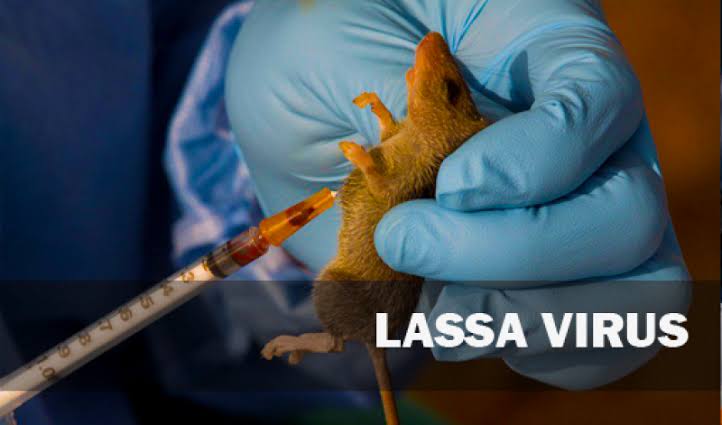
Lassa fever, a viral haemorrhagic disease endemic to Nigeria, is primarily transmitted through contact with food or household items contaminated by rodent urine or faeces.
It can also spread between humans, particularly in healthcare settings without strict infection control measures.
The illness, which peaks during the dry season between December and April, causes symptoms such as fever, weakness, vomiting, and bleeding, and can lead to organ failure in severe cases.
Nigeria continues to bear the world’s highest burden of the disease, with most cases concentrated in Ondo, Edo, Bauchi, Taraba, and Ebonyi states.

- EFCC evicts Malami, family from Abuja residence - March 25, 2026
- 2027 polls: PDP govs reject Wike camp’s consensus leadership picks - March 25, 2026
- Nigeria needs $345m yearly to tackle out-of-school children – FG - March 25, 2026