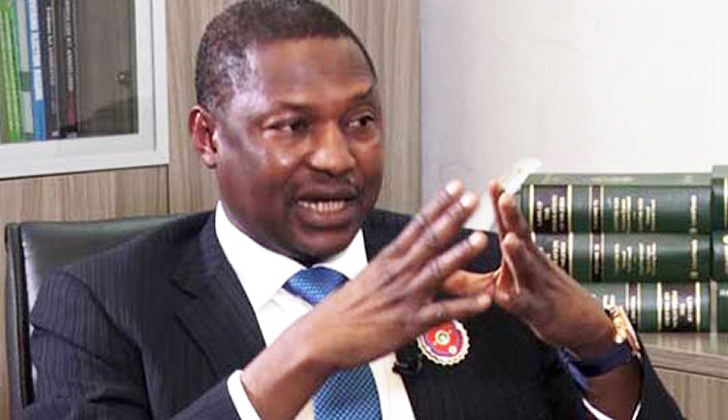
The Office of former Attorney-General of the Federation, Abubakar Malami (SAN), has accused security agencies of actions aimed at frustrating his right to fair hearing and effective legal defence in an ongoing Economic and Financial Crimes Commission (EFCC) case.
In a statement issued on Friday by his media aide, Mohammed Bello Doka, Malami’s office expressed concern over what it described as coordinated moves by the EFCC and the Department of State Services (DSS) to undermine court orders and violate his fundamental rights.
According to the statement, although a Federal High Court granted Malami bail following charges filed by the EFCC, the commission allegedly delayed submitting his international passports to the court for about one week, despite the documents being required to perfect the bail conditions. The delay, the statement said, prolonged his detention and hindered the execution of the court’s order.

The office further alleged that shortly after Malami was released from Kuje Custodial Centre upon perfecting his bail, he was rearrested by the DSS and detained for five days without access to his lawyers or family members.
It claimed that Malami was only allowed to meet his legal team after several days of isolation, at a time he was expected to prepare and open his defence in an EFCC interim forfeiture proceeding before the Federal High Court.
The statement described the denial of access to legal counsel as a violation of his constitutional rights and an attempt to obstruct due process. It also alleged a pattern in which arrest and detention precede investigation, with evidence allegedly sought after suspects are taken into custody.
Malami’s office warned that bail granted by a court must be respected and should not be undermined through delays, rearrests or denial of legal representation, adding that such actions threaten judicial authority and the rule of law.
The statement said Malami remains ready to defend himself in court and called on all state institutions to respect court orders, constitutional provisions and fundamental human rights.

- Why national grid collapsed — NISO - January 24, 2026
- Malami: DSS detention obstructing legal defence in property forfeiture case - January 24, 2026
- Osun couple die hours apart in tragic same-day loss - January 24, 2026