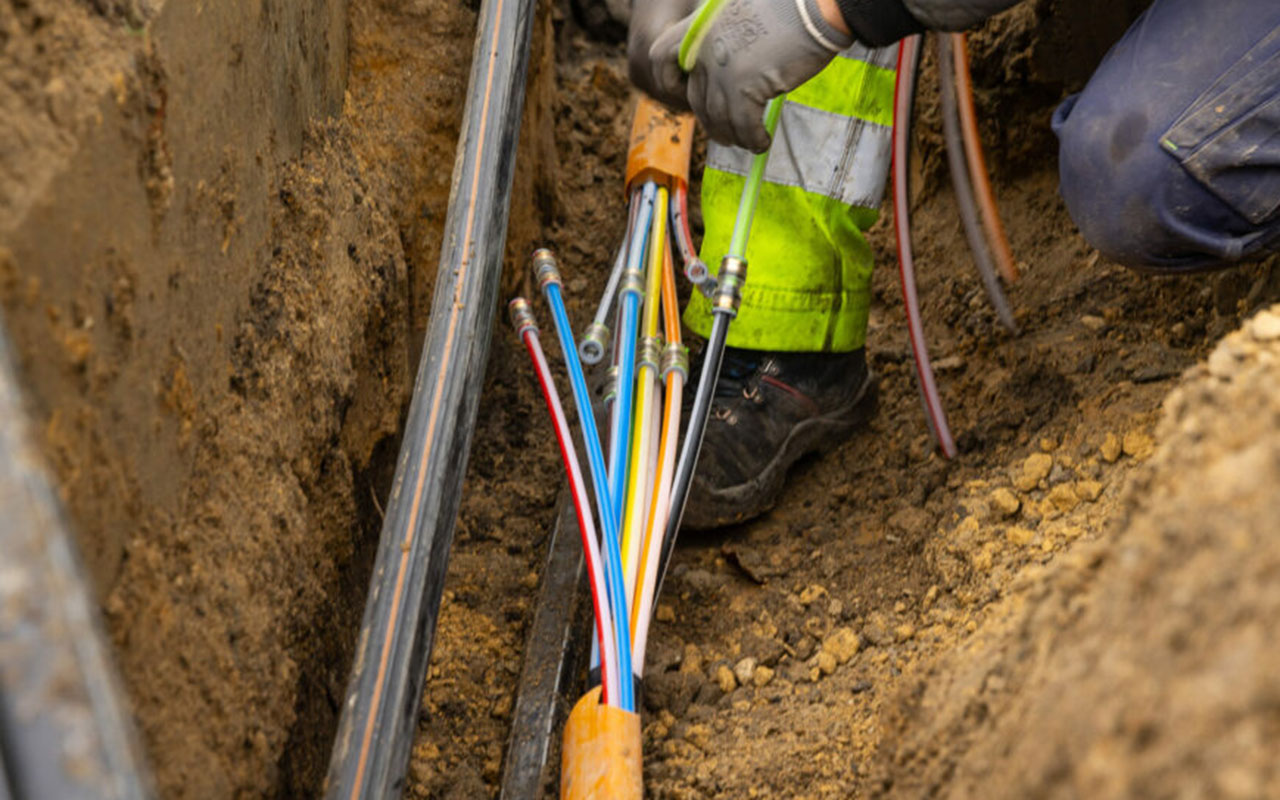
MTN Nigeria has reported more than 5,400 fibre optic cable cuts between January and July 2025, warning that the recurring disruptions are damaging service quality and slowing digital growth.
Speaking at the 10th New Media Conference in Lagos on Thursday, the company’s Public Relations Manager, Lakinbofa Goodluck, disclosed that 5,478 incidents were recorded in the period under review, including 760 in July alone.
He attributed most of the cuts to road construction and vandalism.
“When the network is bad, it is often because someone somewhere has cut a cable,” Goodluck told participants at the conference, which brought together digital media professionals, entrepreneurs, and policymakers.
He urged stronger protections for telecom infrastructure, including the criminalisation of vandalism.
Addressing Dada Olusegun, Special Assistant to President Bola Tinubu on Social Media, who attended the event, Goodluck appealed for government intervention.
“We make money when you browse and make calls. How do we make more money when people complain of a bad network?” he asked.
MTN, which serves over 80 million subscribers nationwide, has invested heavily in expanding Nigeria’s digital infrastructure, pledging one trillion naira (about $600 million) for 4G and 5G rollout.
The operator warned that repeated fibre cuts not only inconvenience customers but also cost millions in repairs and hamper economic activity.
Industry experts note that fibre cuts affect all operators, with roadworks accounting for around 70 percent of incidents and vandalism making up most of the rest.
In some cases, criminals target cables for resale as scrap. Earlier this month, parts of Lagos were hit by prolonged outages following a major fibre cut.
The Nigerian Communications Commission (NCC) has acknowledged the challenge and urged contractors to collaborate with telecom firms during construction projects.
Analysts say lasting solutions will require stronger penalties, better coordination with government agencies, and greater community awareness to safeguard critical infrastructure.
The New Media Conference, established in 2015, has grown into one of Africa’s leading platforms for conversations on technology, media, and innovation.
This year’s edition featured speakers from diverse industries, including Omnicom Media Group’s Yinka Adebayo and Wakanow CEO, Bayo Adedeji.

- SERAP urges Tinubu to probe ₦5.9bn spent on NNPC rebranding - March 15, 2026
- Bandits kill Zamfara college director after family paid ₦25.7m ransom - March 15, 2026
- Death of Zamfara bandit commander Alti triggers turf wars among armed groups - March 15, 2026