
The Nigerian Correctional Service (NCoS) has revealed that at least 8,246 inmates in custodial centres nationwide are currently battling mental health conditions.
The Assistant Controller General of Corrections in charge of Medical Services, Dr. Glory Essien, disclosed this on Tuesday in Abuja during a public hearing by the Independent Investigative Panel on Alleged Corruption, Abuse of Power, Torture, and Other Inhumane Treatment by the NCoS.
Essien described the harsh impact of incarceration on mental health, noting that the loss of freedom alone can trigger psychological distress.
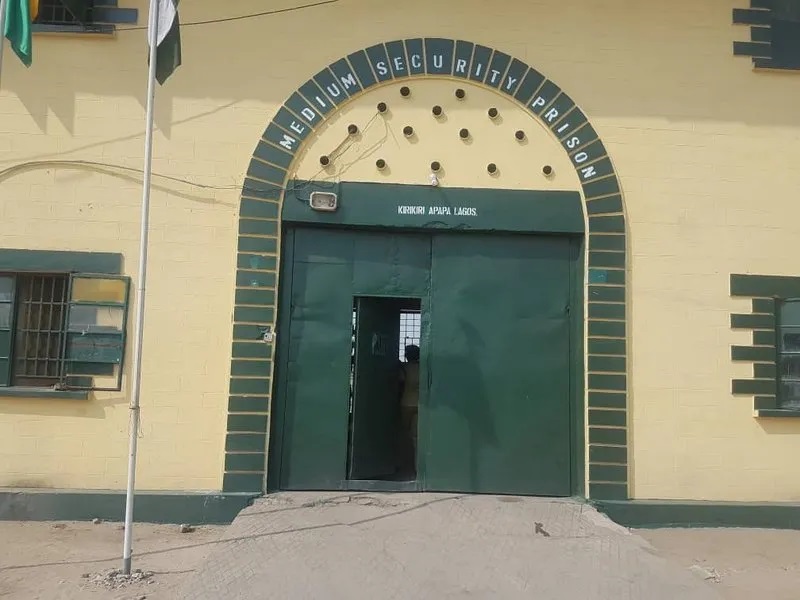
“From the moment someone is admitted and that gate is locked behind them, it can spark something in the mind. Some inmates begin to show signs of disturbed behaviour almost immediately,” she said.
She explained that the Service relies on trained inmate leaders to help staff identify those showing early symptoms of mental illness.
However, she stressed that the number of cases far outweighs the available healthcare resources.
“If you’re the only doctor, nurse, or psychologist in a facility of up to 1,000 inmates, it’s impossible to monitor everyone individually. That’s why we depend on these trained inmates to alert us to those in distress,” Essien noted.
She highlighted chronic shortages of drugs, transportation challenges, and understaffing as major obstacles to effective mental healthcare in prisons.
Also speaking, the Assistant Controller General of Corrections in charge of Pharmaceutical Services, Mohammed Bashir, acknowledged the government’s efforts but admitted that funding remained insufficient.
Out of 81,122 inmates in 256 correctional facilities, he said, 2.3 per cent are female, with basic items such as sanitary pads costing over ₦4 million monthly.
On mental healthcare, he said a psychological services unit had been set up, with consultants visiting 12 major facilities nationwide.
However, Bashir noted that drug supplies often run out within weeks due to inadequate funding and staffing.
Permanent Secretary in the Ministry of Interior and Chair of the panel, Dr. Magdalene Ajani, called for urgent intervention from the Nigerian Medical Association, pharmaceutical companies, and private organisations.
“We are in dire need of psychiatric and psychological aid in states beyond Abuja and Lagos. Public-private partnerships can help bridge this gap,” she said.
Ajani urged mental health professionals to spread their services across the country and called for sustained collaboration to address the crisis.

- Wives of abducted Ebonyi engineers protest in Abuja after four years - March 16, 2026
- Trademark restrictions limit my earnings — Papa Ajasco - March 16, 2026
- UK silence fueled Nigeria persecution debate — Presidency - March 16, 2026