Nepal’s army will resume talks on Thursday, September 11, 2025, with protesters to pick an interim leader for the Himalayan nation.
This follows the deadly protests that killed 30 and forced Nepal’s prime minister to resign.
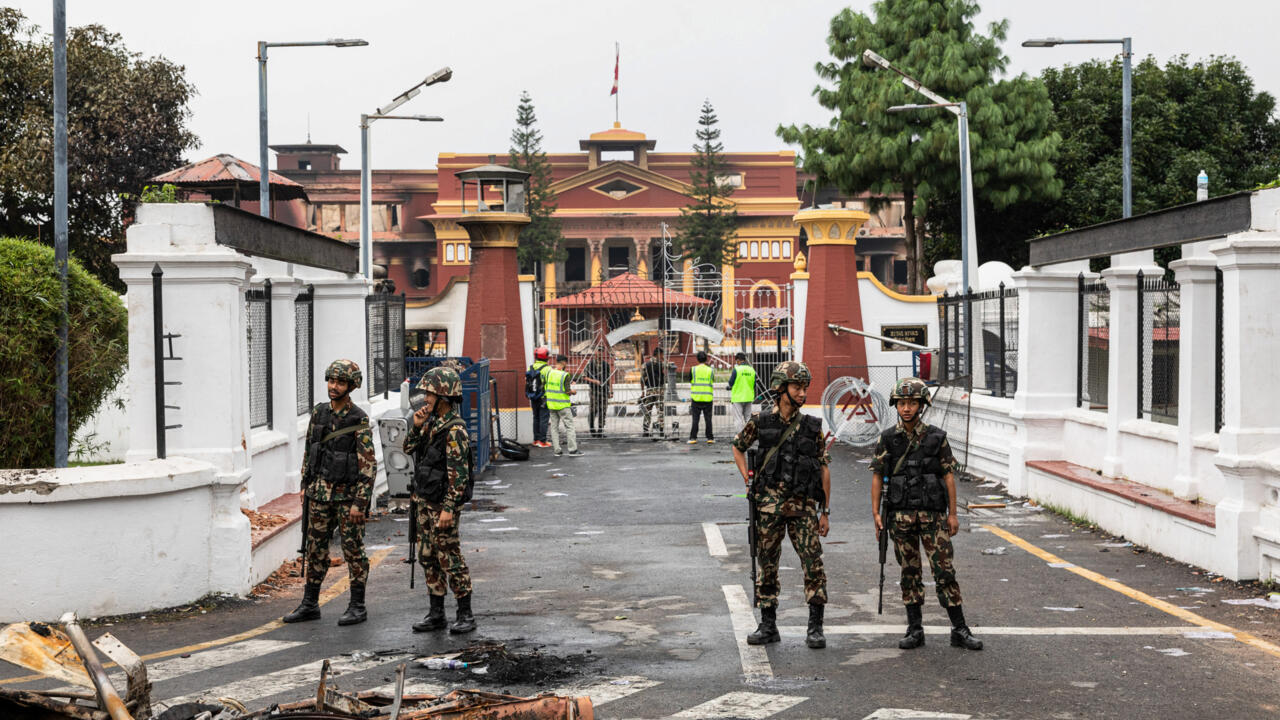
Soldiers were patrolling the quiet streets of Kathmandu following the capital’s worst protests in decades, triggered by a social media ban that authorities rolled back after 19 deaths as police fired tear gas and rubber bullets to control crowds.
Former Chief Justice Sushila Karki, who was Nepal’s first woman appointed to the job in 2016, is the front-runner to be interim leader, with her name suggested by many of those leading the protest.
A 34-year-old supporter of the agitation, Sujit Kumar Jha, said: “We see Sushila Karki for who she truly is – honest, fearless, and unshaken.
“She’s the right choice. When truth speaks, it sounds like Karki.”
Karki, 73, has given her consent, but efforts are being made to find a constitutional route to appoint her, a source familiar with the matter told Reuters, speaking on condition of anonymity.
However, there were some differences over her candidature among the protesters, who were seeking to reach a unanimous decision, another source said.
Karki did not respond to telephone calls to seek comment. An army spokesperson did not immediately respond to a request for comment.
EX-Nepal PM’s wife killed as protesters set politicians’ homes ablaze
“Initial talks are on and would continue today,” the army spokesperson, Raja Ram Basnet, said earlier on Thursday, referring to the discussions on an interim leader.
“We are trying to normalise the situation slowly,” Basnet added.
Shops, schools, and colleges stayed shut in Kathmandu and surrounding areas, but some essential services had resumed.
Prohibitory orders will stay in Kathmandu and surrounding areas for most of the day, the army said in a statement, while an airport spokesman said international flights were operating.
The death toll from the protests had risen to 30 by Thursday, Nepal’s health ministry said, with 1,033 injured.
The demonstrations are popularly referred to as the “Gen Z” protests since most participants were young people voicing frustration at the government’s perceived failure to fight corruption and boost economic opportunities.
Government buildings, from the Supreme Court to ministers’ homes, including Oli’s private residence, were also set ablaze in the protests, which only subsided after the prime minister resigned.
Business establishments set on fire included several hotels in the tourist town of Pokhara and the Hilton in Kathmandu.