Nigeria’s Federal Government has intensified high-level talks on a proposed $20 billion transcontinental gas pipeline aimed at supplying natural gas to European markets.
The discussions, held in London, are part of efforts to boost energy security and unlock long-term economic benefits from Nigeria’s vast gas reserves.
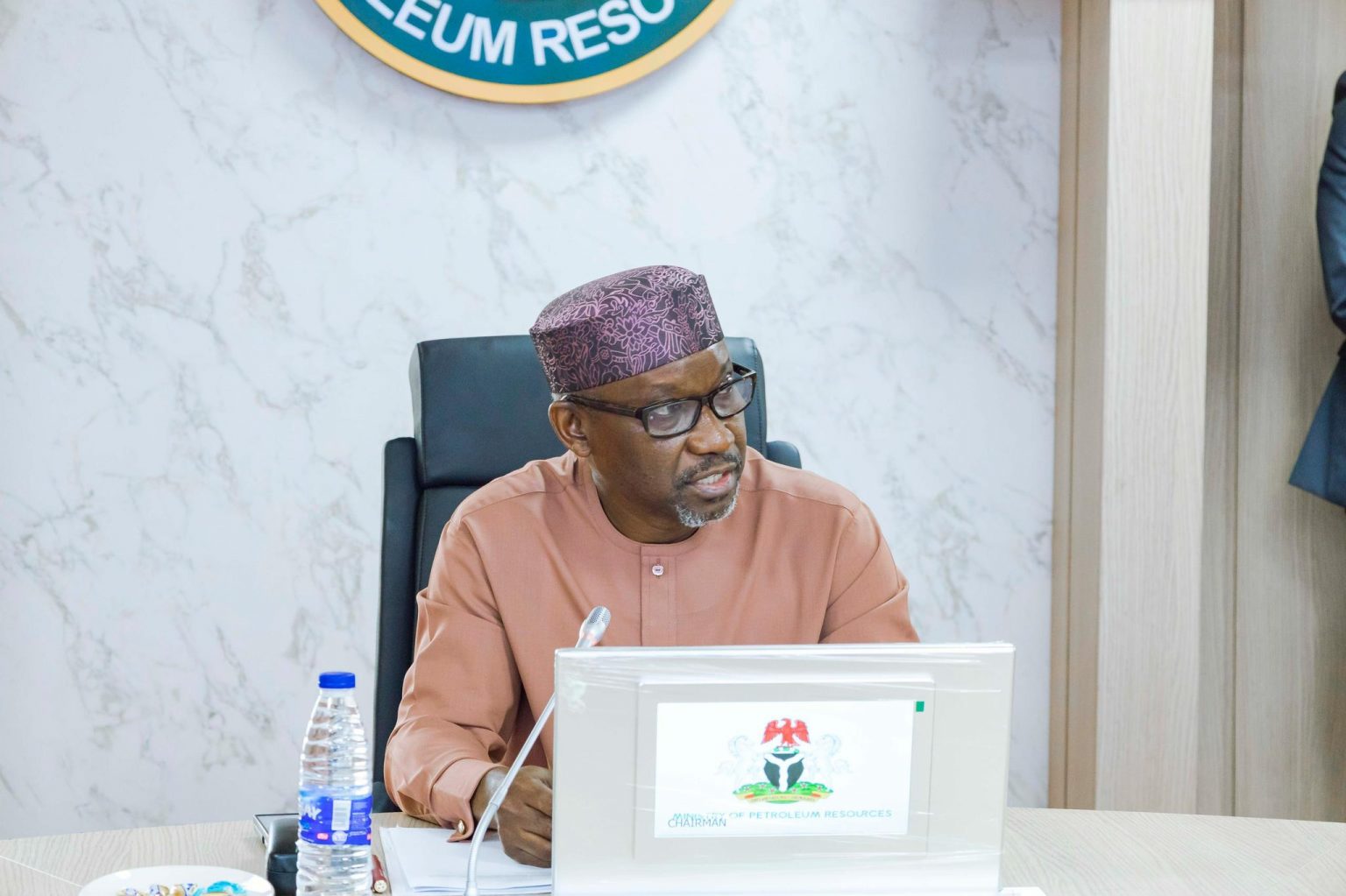
According to the Minister of State for Petroleum Resources (Gas), Ekperikpe Ekpo, the project is designed to transport up to 30 billion cubic metres of gas annually from southern Nigeria through Chad and Libya, before extending offshore to Sicily, Italy, and into wider European markets.
Ekpo described the initiative as a transformative step for the country’s energy sector, noting that recent reforms, including the Petroleum Industry Act and presidential directives, have created a favourable investment climate.
He stressed the need for Nigeria to fully harness its gas resources to drive economic growth and improve livelihoods, adding that the project is achievable with adequate financing.
Also speaking, the Executive Vice President for Gas, Power and New Energies at NNPC Limited, Olalekan Ogunleye, reaffirmed the company’s commitment to attracting investment and expanding the gas value chain. He said NNPC’s strategy aligns with the Federal Government’s gas-led development agenda, with a focus on removing barriers and creating viable investment opportunities.
The project’s promoter and CEO of Netoil Inc., Roger Tamraz, described the pipeline as commercially viable and strategically important for Europe’s energy needs. Similarly, Alain Bolo, CEO of Unicorn, highlighted its potential to curb gas flaring and position Nigeria as a major gas supplier to Europe.
Project Director at Netoil, Henry Erimodafe, added that the initiative could deliver significant economic gains, including job creation and increased investment.
Though still in its early stages, the pipeline is being developed by a consortium of global players and will undergo detailed technical, regulatory, and commercial evaluations.
Stakeholders remain optimistic that the project could strengthen Nigeria’s role in the global energy market while deepening its energy partnership with Europe.

- SSANU president raises the alarm over hardship in Eid message - March 20, 2026
- Nigeria advances $20bn gas pipeline plan to Europe - March 20, 2026
- NYSC official arrested over death of pregnant corps member - March 20, 2026