

Nigeria and the European Union are intensifying efforts to conclude a long-delayed agreement on the return and readmission of Nigerians who no longer have the legal right to remain in EU countries.
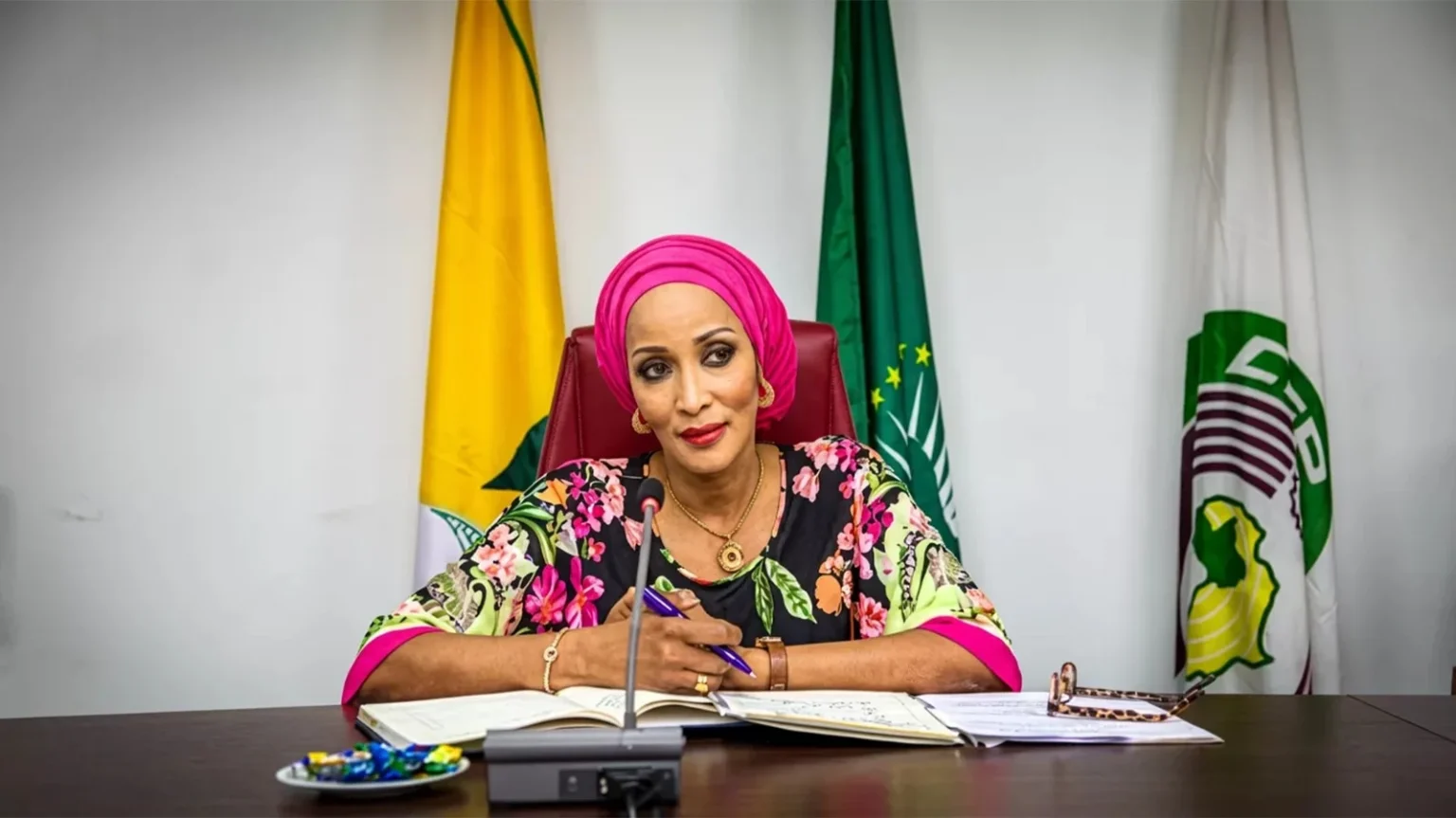
The issue featured prominently when Nigeria’s Minister of Foreign Affairs, Ambassador Bianca Odumegwu-Ojukwu, met with the EU Commissioner for Internal Affairs and Migration, Magnus Brunner, on the sidelines of the 81st United Nations General Assembly in New York.
The EU has been pushing for the conclusion of the readmission agreement, with the European Council listing the Nigeria deal among ongoing efforts to strengthen cooperation on returns and migration.
According to a statement issued by Magnus Eze, Special Assistant on Communication and New Media to the foreign affairs minister, Brunner said finalising the agreement would create a foundation for broader Nigeria-EU cooperation on migration.
The agreement, which dates back to 2016, was also discussed extensively during the eighth Nigeria-EU Ministerial Dialogue held in March 2026.
Odumegwu-Ojukwu, however, stressed that any migration partnership should also address the needs of Nigerians returning from Europe and create more opportunities for Nigerians seeking to work or study abroad.
She called for reintegration assistance for returnees, infrastructure support and expanded legal pathways for Nigerians, particularly the country’s large youth population.
The minister also emphasised the need for “structured and lawful mobility opportunities”, while urging that migration cooperation should support Nigeria’s development priorities.
The EU delegation said Nigeria’s concerns had been incorporated into the proposed cooperation framework, which is expected to cover migration, security and mobility.
Under the proposed framework, Nigeria and the EU would strengthen cooperation on talent partnerships, legal migration pathways, reintegration of returnees and border management.
The plan also includes possible support from the European Border and Coast Guard Agency, Frontex, as well as discussions on information-sharing with Europol to improve Nigeria’s capacity to tackle transnational organised crime.
Brunner said the EU was interested in developing legal migration pathways through talent partnerships. He said such arrangements could help address skills shortages in Europe while creating opportunities for Nigerian professionals.
The discussions also covered measures to tackle irregular migration, with the EU commissioner indicating that progress on returns and readmission could support wider cooperation on legal migration.
Brunner is expected to continue discussions with the Nigerian government during a proposed visit to Abuja in November 2026, although the date is yet to be finalised.
The renewed engagement comes as the EU advances its wider return and readmission framework, which makes cooperation with third countries a key component of its migration policy.

- NSCDC arrests three over NNPC pipeline vandalism in Abuja - September 23, 2026
- Nigeria, EU push to conclude long-delayed migration readmission deal - September 23, 2026
- Army urges defence journalists to balance security reports with proper verification - September 23, 2026