
Nigeria produces approximately 1.4 million metric tonnes of palm oil each year against a domestic demand of more than 2.5 million metric tonnes, forcing the country to spend between $500 million and $600 million annually on imports to bridge the gap, the Federal Government has said.
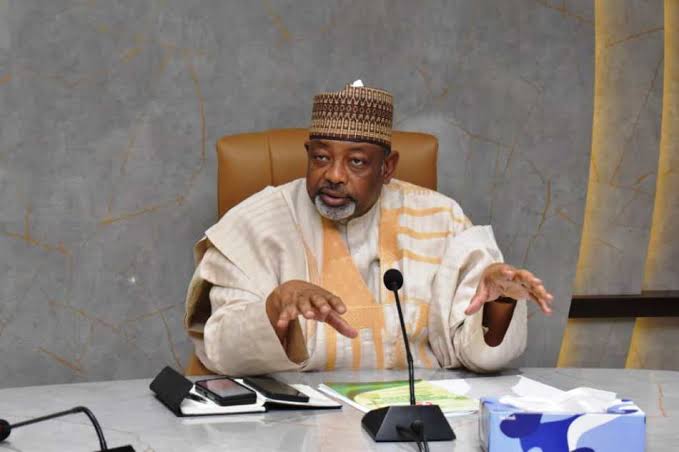
Minister of Agriculture and Food Security, Sen. Abubakar Kyari, disclosed this on Thursday at the National Stakeholders Meeting on the Joint Development of Nigeria’s Palm Oil Production Capacity in Abuja, warning that the country was squandering an opportunity it had the natural resources to exploit.
“What this means is that we are exporting opportunities and importing what we have the capacity to produce,” Kyari said, represented at the event by his Senior Technical Assistant, Ibrahim Alkali.
The minister recalled that Nigeria once dominated global palm oil production in the 1960s, accounting for over 40 per cent of world supply before a prolonged decline set in.
He noted that the country still has over three million hectares of land suitable for oil palm cultivation, much of it lying underutilised.
Kyari described the meeting as a platform demanding clarity of purpose and decisive action, pointing to the vast untapped potential in a global palm oil market valued at over $70 billion annually — spanning food processing, cosmetics, pharmaceuticals and biofuels.
He said the Federal Government under President Bola Tinubu was prioritising agriculture as part of its economic diversification agenda, adding that the ministry had taken steps to reposition the sector through the validation of a National Oil Palm Development Strategy.
Permanent Secretary of the ministry, Dr Marcus Ogunbiyi, said the gathering was timely and reflected a shared commitment to sustainable growth and global competitiveness for Nigeria’s palm oil industry.
In a presentation, Managing Director of Mass Industrial Development and Logistics, Emmanuel Anyaralu, outlined partnership strategies aimed at stimulating rural economies, creating jobs and enhancing food security through a revitalised palm oil sector.

- Nigeria spends up to $600m annually importing palm oil— Minister - April 16, 2026
- JAMB distances itself from hijab harassment at Ibadan exam centre - April 16, 2026
- Mimiko quits PDP - April 16, 2026