
A Nigerian business analyst, Mr. Onyedika Ezeh, was allegedly wrongfully detained for six weeks in Qatar after airport security officials mistook decorative stones inside a mannequin head for narcotics during a transit stop at Hamad International Airport in Doha.
The incident, which occurred on May 7, 2025, has triggered legal action against Qatar Airways, with Ezeh’s lawyers demanding compensation, public retractions and diplomatic intervention over what they described as racial profiling, unlawful detention and grave human rights violations.
Details of the ordeal are contained in a pre-action legal notice issued by his lawyer, Mr. Inibehe Effiong, and addressed to Qatar Airways’ Abuja office.
According to the notice, Ezeh was travelling from Abuja to Dallas, Texas, on Qatar Airways to visit his wife, a PhD student at Baylor University.
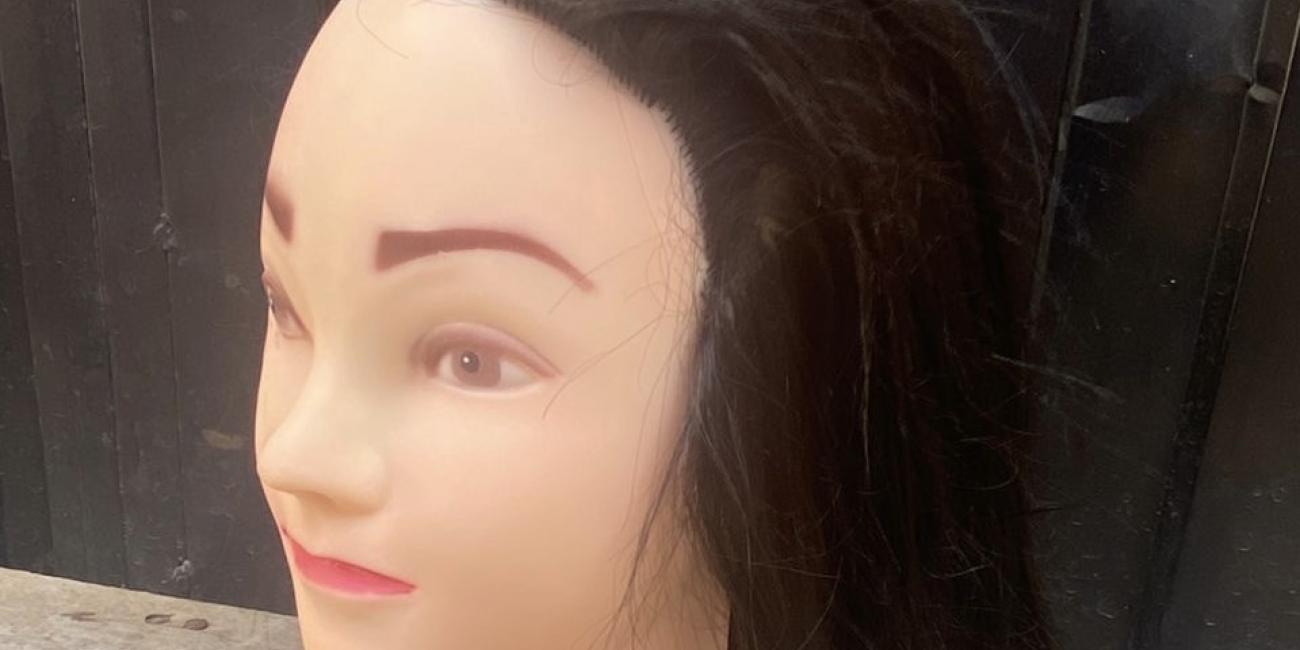
In his carry-on luggage was a mannequin head he bought in Mararaba, Nasarawa State, which he intended to use to practise braiding his wife’s hair.
During a routine transit security screening in Doha, the mannequin was flagged. Field tests conducted on the item reportedly returned negative results for narcotics. When the mannequin was dismantled, it was found to contain small white decorative stones commonly used by manufacturers to provide balance.
The stones were later examined by an airport jeweller and confirmed to be valueless and chemically inactive.
Despite these findings, Qatari security officials allegedly escalated the matter. One officer reportedly remarked that “Nigerians are always causing trouble.”
Ezeh’s passport and phone were seized, and his checked luggage was removed from the aircraft and searched twice, with no illegal items found.
He was subsequently handcuffed, driven to a detention facility known as Duhaill and subjected to what his lawyers described as a degrading strip search.
He was allegedly forced to strip naked, squat, jump and cough while being scanned, with no incriminating evidence discovered.
The legal notice further alleged that Ezeh was compelled to sign a document written entirely in Arabic, falsely stating that the stones were “cocaine stones.” This report, his lawyers said, formed the basis of his prolonged detention and subsequent international consequences.
Ezeh was reportedly held for six weeks without charge while the stones were said to be sent for forensic laboratory analysis.
During this period, he was presented before a Qatari judge virtually and repeatedly assured of release, which did not materialise.
He was allegedly kept in a smoke-filled cell that caused him respiratory distress.
While he remained in detention, the United States government revoked his visa on May 12, 2025, reportedly relying on the airport report.
His wife’s U.S. visa was also later revoked, forcing her to abandon her PhD programme at Baylor University.
The ordeal reportedly left Ezeh’s family in distress, with relatives in Nigeria unaware of his whereabouts and believing he might be dead. His mother was said to have suffered panic attacks and required hospitalisation.
Following the conclusion of the forensic analysis, the Nigerian Embassy in Doha was informed that laboratory results were negative for narcotics.
Ezeh was released on June 19, 2025, and allegedly abandoned in Doha at night without money or access to communication.
While he was still in detention, Qatar Airways reportedly imposed a travel ban on him on May 20, citing “unacceptable conduct,” an allegation Ezeh denies. Although the ban was lifted on November 30, 2025, his lawyers said the airline’s correspondence continued to imply wrongdoing.
In a further development, an official document dated June 23, 2025, and signed by Ahmed Ali Al Sulaiti, Head of Drugs Prosecution in Qatar, confirmed that there was “no criminal prosecution due to lack of a crime” and directed that the seized items be returned and the clearance communicated to relevant authorities.
Ezeh’s lawyers are now demanding that Qatar Airways issue an unconditional retraction of all allegations, formally withdraw the travel ban, refund his unused connecting flight to Dallas, and clarify the matter to U.S. authorities to facilitate the restoration of the couple’s visas.
They are also seeking compensation for physical, psychological, reputational and financial damages.
Qatar Airways has been given 14 days to respond, failing which legal and diplomatic action will be pursued. Petitions have also been submitted to the U.S. Consul-General in Nigeria, the Nigerians in Diaspora Commission (NiDCOM) and the Minister of Foreign Affairs.
As of the time of filing this report, Qatar Airways had not issued any public response.
The case has renewed concerns over alleged racial profiling and human rights abuses at Hamad International Airport, raising questions about passenger protection, accountability and the role of Nigerian authorities in safeguarding their citizens abroad.

- How son sets father ablaze in Jigawa - April 5, 2026
- Anglican Bishop blasts govt over rising insecurity, questions security budget - April 5, 2026
- Troops arrest suspects linked to ‘silent killings’ in Plateau - April 5, 2026