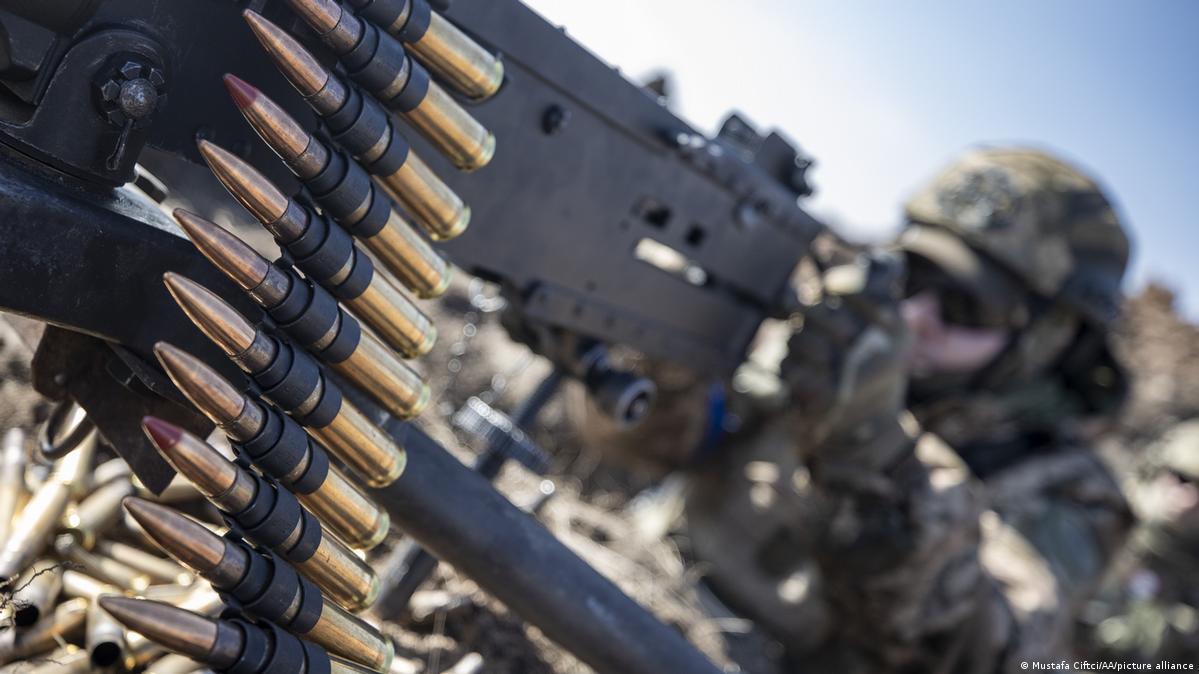
Nigeria imported arms and ammunition worth N55.06bn in the first six months of 2026, representing a 104.31 per cent increase over the N26.95bn recorded during the same period last year.
The latest foreign trade statistics from the National Bureau of Statistics showed that the value of arms imported into the country more than doubled between January and June 2026.
The development has raised concerns about the proliferation of weapons ahead of the 2027 general elections, scheduled to take place less than a year from the period covered by the data.

The Independent National Electoral Commission fixed January 16, 2027, for the presidential and National Assembly elections, while the governorship and State Houses of Assembly polls are scheduled for February 6, 2027.
The increase in arms imports also comes shortly after reports that the Nigeria Customs Service intercepted approximately 603 firearms entering the country between January and August 2026.
The seized weapons were reportedly transferred to the National Centre for the Control of Small Arms and Light Weapons.
Security experts and civil society organisations have consistently warned that the circulation of illegal arms could undermine the safety and credibility of elections by escalating political violence, intimidating voters and disrupting the movement of electoral materials.
Findings from the CLEEN Foundation’s assessment of security operations during the 2026 Osun State governorship election further highlighted vulnerabilities in election-day security.
The foundation deployed trained observers to monitor security personnel at polling units and found that security presence was maintained in the large majority of locations observed. Reports from all the monitored polling units rated the number of officers as adequate.
However, security personnel reportedly abandoned their posts temporarily in six per cent of the locations, while two per cent of polling units were left completely unattended.
The foundation said maintaining security presence until the end of the electoral process was essential, particularly because the period immediately after voting is vulnerable to interference.
“Opportunistic interference is most likely” during the final hours of voting and immediately afterwards, when queues are cleared and ballot boxes are prepared for transportation, it said.
The report also found that security officers were visibly armed with firearms in 37 per cent of the polling locations monitored. The foundation described the figure as generally consistent with standard security deployment procedures.
Force was reportedly used by security personnel in two per cent of the locations, while threats were recorded in 12 per cent of the polling units.
On the protection of ballot boxes after voting, the foundation said security officials escorted the movement of electoral materials in 86 per cent of the monitored polling units. It could not independently verify the situation in the remaining 14 per cent.
A separate review of media reports by the foundation identified six locations where violence was allegedly recorded. The incidents included reported gunfire near a traditional ruler’s palace and disruption allegedly caused by political thugs at a polling unit.
However, the foundation noted that most of the reports were based on unverified allegations by political parties rather than independently confirmed incidents.
To reduce security risks ahead of future elections, the CLEEN Foundation urged security agencies to maintain officer presence and vigilance throughout voting, collation and the transmission of results.
It warned that threats to voters, party agents and election observers often increase after polling ends.
The organisation also called on the Federal Government to accelerate the establishment of a specialised judicial process for prosecuting electoral offences.
According to the foundation, the absence of effective and timely prosecution has created a “climate of impunity” that weakens deterrence against electoral malpractice.
With arms imports rising sharply and the 2027 elections approaching, security agencies are expected to intensify efforts to track weapons entering the country and prevent their use in political violence.

- Zamfara CPG ambush bandits, kill eight in Gusau - September 15, 2026
- Awujale succession: Religious leaders ask Abiodun to lift ban - September 15, 2026
- Police warn of planned terrorist attacks on schools, worship centres - September 15, 2026