Four years into the federal government’s “Decade of Gas” initiative, Nigeria’s goal of becoming a gas-powered economy by 2030 remains distant.
Despite vast reserves, weak policy execution, poor infrastructure, and low domestic gas use continue to stall progress.
Speaking at the Decade of Gas: Utilization Unlock Validation Session in Lagos, NLNG Managing Director, Dr. Philip Mshelbila, warned that the country has just four years left to make meaningful impact.
“While some progress has been made, we’ve not delivered the big projects that can transform the economy,” he said.
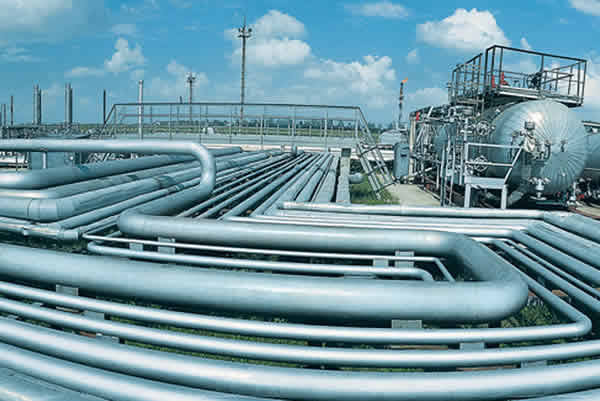
Nigeria still struggles to channel gas into power generation, with less than 5,000MW reaching the grid from over 13,000MW of installed capacity.
Frequent supply shortages, vandalism, and debts to gas producers have crippled the power sector, costing the nation over $10 billion annually, according to the International Energy Agency.
Mshelbila also lamented low gas utilisation in industries, transport, and homes.
Despite government efforts to promote compressed natural gas (CNG) and liquefied petroleum gas (LPG), adoption remains sluggish due to weak infrastructure and policy inconsistencies.
He further called for urgent investment in deepwater gas development, where vast untapped reserves lie idle due to regulatory uncertainty and high project costs.
Analysts warn that without swift reforms and stronger domestic demand, Nigeria could fall behind emerging LNG exporters like Mozambique and Mauritania — missing another chance to turn its gas wealth into sustainable growth.

- NUC reconstitutes committee to tackle illegal universities - March 13, 2026
- Troops clear IEDs, destroy terror camp in Imo - March 13, 2026
- Uba Sani’s policies putting farmers first — Agriculture commissioner - March 13, 2026