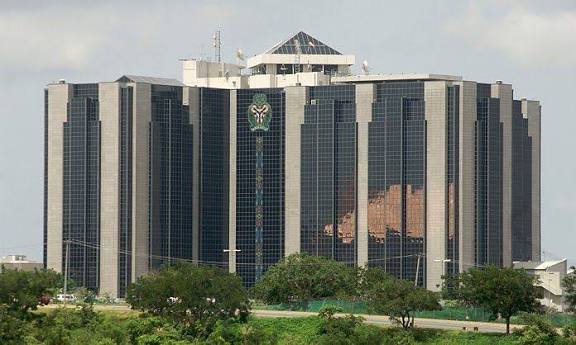

Nigeria’s external reserves have surpassed the $45 billion mark, marking one of the country’s strongest reserve positions in six years, according to newly released data from the Central Bank of Nigeria (CBN).
The reserves climbed to $45.04 billion—last recorded at this level on July 23, 2019—signalling a major improvement in the country’s external buffers.
The new milestone reflects a sharp rebound, with nearly $5 billion added to the reserves in just a few months, despite declining foreign exchange holdings across several developing nations.
Analysts say the steady buildup points to firmer inflows from crude oil sales, Eurobond-related receipts, and multilateral financing.
Higher reserves give the CBN more room to intervene in the foreign exchange market when necessary, easing pressure on the naira.
A breakdown of recent trends shows the increase has been gradual and sustained. At the beginning of November, reserves were at $43.26 billion and stayed comfortably above the $43 billion level.
They rose to $44.05 billion by November 18 and ended the month at $44.67 billion—one of the highest month-end levels in recent years.
The momentum continued into December, with reserves remaining in the upper $44 billion range before crossing the $45 billion threshold on December 4.
The development is seen as both an economic and psychological boost, indicating stronger forex liquidity.
Crossing the $45 billion mark strengthens the CBN’s capacity to manage external obligations, finance imports, and cushion the economy against global shocks.
It also enhances investor confidence, with foreign portfolio investors viewing reserve levels as a key indicator of economic stability.
However, despite the positive uptrend, the naira came under pressure last week, closing at N1,454 per dollar on Friday.
The increased demand for foreign exchange—driven by importers, retailers, and consumers ahead of the festive season—contributed to the depreciation.
Nigeria’s rising reserves signal a sturdier external position and improved market confidence, reinforcing the country’s ability to manage forex volatility even as seasonal pressures persist.

- Court to rule April 14 on $35m NCDMB document in Akintoye’s trial - March 11, 2026
- Court sentences two for online impersonation, fraud - March 11, 2026
- “PDP will never die” – Wike insists on genuine reconciliation - March 11, 2026