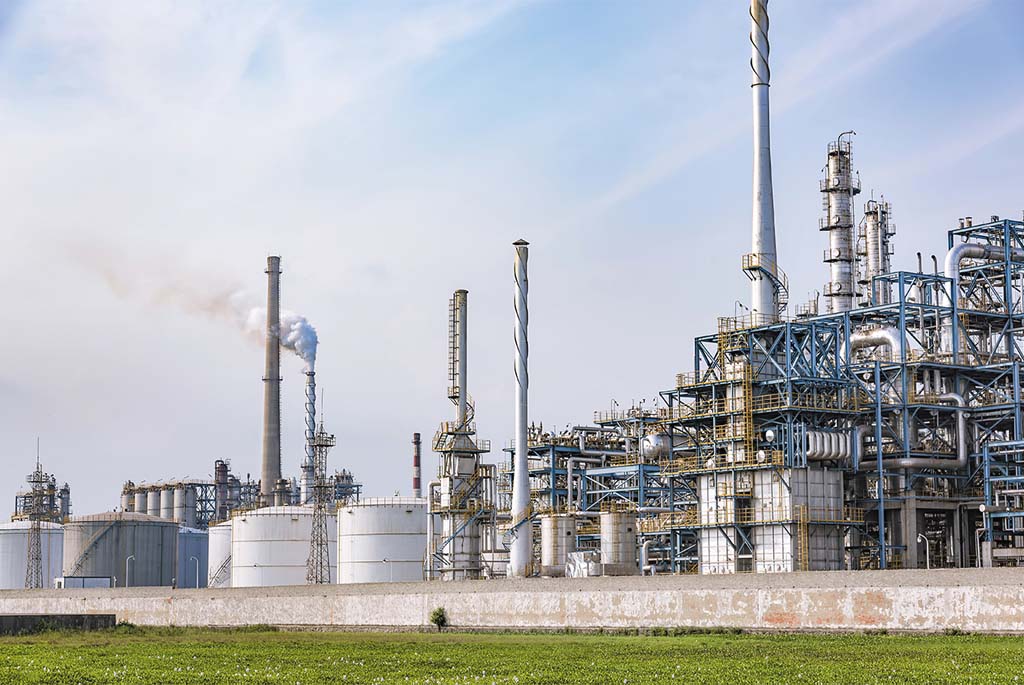

Nigeria’s expenditure on petrol imports fell sharply in the first quarter of 2026, dropping by more than N2 trillion as increased domestic refining significantly reduced the country’s reliance on imported fuel.
Latest foreign trade data released by the National Bureau of Statistics (NBS) showed that only N87.4 billion was spent on importing Premium Motor Spirit (PMS), commonly known as petrol, between January and March 2026.
The figure represents a decline of N2.184 trillion, or 96.15 per cent, compared to the N2.271 trillion recorded during the same period in 2025.
The development marks a major shift in Nigeria’s fuel supply structure, with petrol disappearing from the list of the country’s top imported commodities for the first time in years.
An analysis of the NBS report showed that petrol was absent from the top traded products with the rest of the world, Africa and the West African sub-region during the review period. Instead, Nigeria’s leading imports included crude petroleum oils, gas oil, durum wheat, telecommunications equipment, used vehicles, motorcycles, pharmaceutical products and aircraft parts.
According to the NBS, total imports into Nigeria stood at N13.62 trillion in the first quarter of 2026, representing declines of 18.17 per cent and 21.05 per cent compared to the corresponding quarter of 2025 and the fourth quarter of 2025, respectively.
The bureau also reported that imports of other petroleum products fell significantly to N748.1 billion during the period, down from N5.01 trillion in the first quarter of 2025.
The N87.4 billion spent on petrol imports is the lowest quarterly figure recorded in at least four years. Historical trade data indicate that Nigeria spent N2.69 trillion on petrol imports in the first quarter of 2022, N2.03 trillion in 2023, N3.81 trillion in 2024 and N2.27 trillion in 2025 before the latest dramatic decline.
Industry observers attribute the reduction largely to growing local refining capacity, particularly the increasing contribution of the Dangote Petroleum Refinery.
For decades, Nigeria depended heavily on imported petrol despite being Africa’s largest crude oil producer, largely due to the poor performance of state-owned refineries and inadequate domestic refining infrastructure.
However, the commencement of petrol production at the 650,000-barrels-per-day Dangote Refinery in Lagos has begun to transform the country’s downstream petroleum sector.
Data from the Nigerian Midstream and Downstream Petroleum Regulatory Authority (NMDPRA) showed that the refinery supplied an average of 40.1 million litres of petrol daily in January 2026, accounting for nearly 62 per cent of national supply. Imported fuel contributed about 24.8 million litres per day during the same period.
By February, imported petrol volumes had dropped significantly. Dangote supplied approximately 36.5 million litres daily, while imports fell to about 3.1 million litres per day, meaning locally refined fuel accounted for more than 92 per cent of total supply.
The refinery remained the sole domestic supplier of petrol in March, providing 34.2 million litres daily, while imports stood at 5.9 million litres per day. In April, local supply rose to 40.7 million litres daily, compared to 3.7 million litres imported.
Analysts say the sustained decline in petrol imports could improve Nigeria’s trade balance, reduce pressure on foreign exchange reserves and support the stability of the naira, provided domestic refining continues to meet local demand.
The first-quarter figures provide one of the clearest indications yet that local refining is reshaping Nigeria’s fuel market and reducing the country’s longstanding dependence on imported petrol.

- Nigerians spend N50bn on US visa applications as approvals decline - June 9, 2026
- Nigeria’s fuel import bill drops by N2.18trn - June 9, 2026
- CEVA, EFL launch joint venture to strengthen logistics services in Nigeria - June 9, 2026