


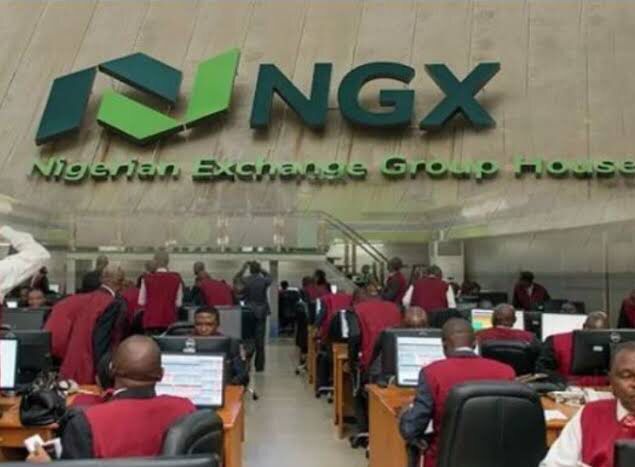
Nigeria’s stock market has recorded an impressive rally in recent months, defying the sluggish performance of the broader economy.
Experts say the surge reflects growing investor optimism driven by strong corporate earnings in banking, telecoms, and oil and gas as key productive sectors like manufacturing and agriculture remain weak.
Manufacturing contributed just 9.98% to GDP in Q1 2024, while agriculture accounted for 21.07%, underscoring Nigeria’s limited industrial base despite overall growth of 3.84% in Q4 2024.
Analysts warn that high interest rates are drawing capital toward financial assets rather than productive ventures, widening the gap between market performance and real economic output.
Market capitalisation rose to 28.97% of GDP in 2024, nearly double the historical average, amid concerns of speculative activity.
They urge the government to focus on revitalising the real sector through affordable credit, infrastructure investment, and export-driven industrialisation.
While the stock market’s gains reflect investor confidence, true economic growth, analysts say, will depend on stronger output from Nigeria’s farms, factories, and service industries.

- Tinubu hails ICC tribunal verdict rejecting $680m Sunrise Power claim against Nigeria - September 17, 2026
- I’ll retire from politics after 2031 — Otti - September 17, 2026
- 2027: Obi-Kwankwaso movement unveils 59-member campaign council - September 17, 2026