


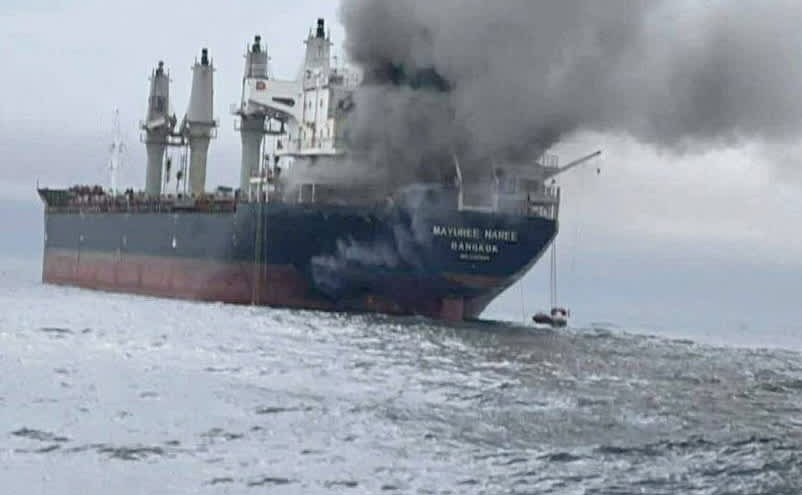

Oil prices roared 9% past $100 a barrel on Thursday, March 12, 2026, as fresh attacks on ships in the Strait of Hormuz worsened supply disruption fears.
Brent futures rose $8.54, or 9.28%, to $100.52 a barrel at 0354 GMT, while U.S. West Texas Intermediate crude was up $7.22, or 8.28%, to $94.47.
On Wednesday, a spokesperson for Iran’s military command, in remarks directed at the United States, said: “Get ready for oil to be $200 a barrel, because the oil price depends on regional security, which you have destabilised.”

There are no signs of a de-escalation in the Gulf and as a result, there is no end in sight to the disruptions to oil flows through the Strait of Hormuz, ING analysts said on Thursday.
NG said: “The only way to see oil prices trade lower on a sustained basis is by getting oil flowing through the Strait of Hormuz.
“Failing to do so means that the market highs are still ahead of us.”
Maritime security and risk firms said on Wednesday that three more vessels were hit by projectiles in the Strait of Hormuz.
That brought the number of ships struck in the region to at least 14 since the Iran war began.
Naira appreciates to N1,376/$ at official market
Shipping along the narrow strait has come to a near standstill since the United States and Israel began strikes on Iran on February 28, preventing exports of around a fifth of the world’s oil supply and sending global oil prices surging to highs not seen since 2022.
President Donald Trump has said the United States is prepared to escort tankers through the Strait of Hormuz when necessary.
However, sources told Reuters the U.S. Navy has refused requests from the shipping industry for military escorts as the risk of attacks is too high for now.
The International Energy Agency (IEA), meanwhile, recommended the release of 400 million barrels of oil, the largest such move in its history, to try to rein in energy prices, which are now up more than 25% since the war began.
The IEA said the time frame for the release will be decided in due course.
The proposed volume is more than double the 182 million barrels released in 2022 following Russia’s invasion of Ukraine, but analysts said it was ultimately insufficient to resolve supply losses from a prolonged war in the Middle East.
The proposed release is roughly equal to about four days of global production and 16 days of the volume of crude that transits through the Gulf, Macquarie analysts estimated.

- Tinubu: I’m a die-hard democrat, democracy’ll thrive under my watch - March 12, 2026
- FULL LIST: Oscar nominees in main categories - March 12, 2026
- Oil prices rise after Iran hit vessels in Strait of Hormuz - March 12, 2026