The number of children receiving treatment for acute malnutrition across seven northern Nigerian states rose sharply in 2025, with more than 425,000 children treated during the year, Médecins Sans Frontières (MSF) has disclosed.
The affected states are Zamfara, Kano, Katsina, Kebbi, Bauchi, Borno and Sokoto.
In its report, Nigeria: Increased Malnutrition Crisis for Children and the Mental Health Strain for Caregivers, obtained by Sunday PUNCH, MSF said the figure represented a 41.8 per cent increase from the 300,165 children treated in 2024.
The organisation said the 2024 figure had itself risen by 25 per cent compared with 2023, when about 240,132 children were treated.
The worsening situation, according to MSF, is being driven by multiple factors, including insecurity, displacement, food shortages, disease outbreaks, Nigeria’s economic difficulties and declining humanitarian funding.
It also linked the funding challenge to the withdrawal of support for major global health initiatives under the administration of United States President Donald Trump.
MSF warned that the crisis had continued into 2026, with an estimated 34.7 million Nigerians facing crisis levels of food insecurity during the current lean season.
It added that more than 5.4 million children across the country were suffering from acute malnutrition.
The organisation currently operates nutrition programmes in the seven states, with 12 Inpatient Therapeutic Feeding Centres and more than 30 Ambulatory Therapeutic Feeding Centres.
Between January and June 2025, MSF said 32,940 severely malnourished children were admitted to its inpatient centres, while another 136,255 received treatment through outpatient therapeutic feeding programmes.
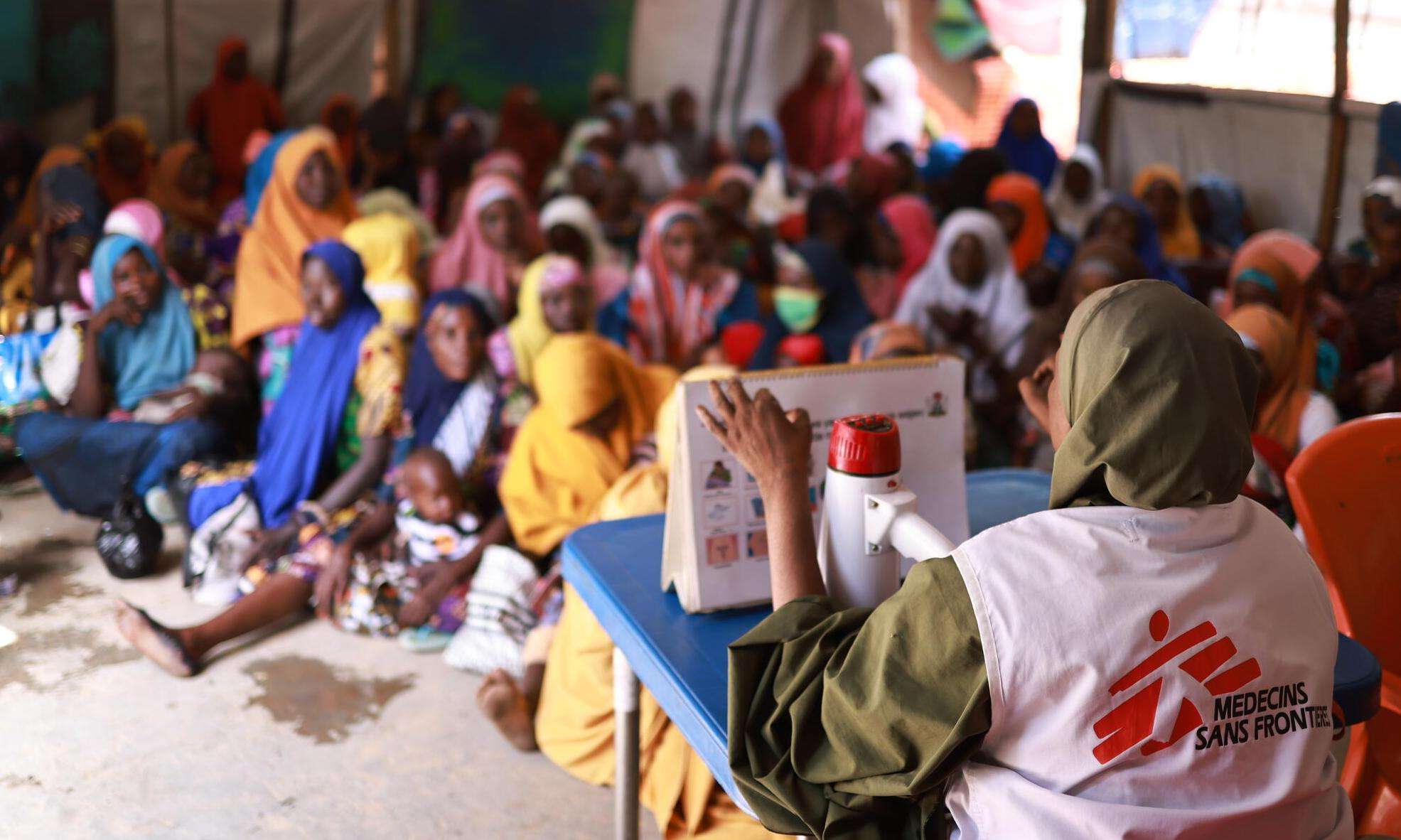
Beyond the physical impact of malnutrition, MSF highlighted the psychological strain on children and their caregivers, particularly mothers who often remain with their children throughout lengthy treatment periods.
Some caregivers spend between seven and 45 days at treatment centres, depending on the severity of their children’s conditions, leaving them separated from other children and family responsibilities.
“Malnutrition is one disease that doesn’t just affect the child physically. It has psychological, emotional and behavioural implications,” an MSF mental health supervisor in Bauchi, Kauna Bako, was quoted as saying.
To address the wider effects of the crisis, MSF has incorporated mental health and psychosocial support into its nutrition programmes.
At its Nilefa Kiji nutrition facility in Maiduguri, Borno State, caregivers receive psychological first aid, individual counselling and group support, while children participate in structured play activities during treatment.
The organisation said similar interventions had been introduced in Kano, Katsina, Bauchi and Zamfara, including physiotherapy, rehabilitation, play-based activities and sensorimotor stimulation.
MSF said its experience in Nigeria and neighbouring Niger showed that combining mental health services with malnutrition treatment could improve recovery, including faster weight gain, shorter hospital stays and better wellbeing among caregivers.
The organisation, however, stressed that the scale of the crisis requires broader and sustained intervention to address the insecurity, food insecurity and funding gaps driving child malnutrition in northern Nigeria.

- Maina’s son arrested in Abuja after fleeing money laundering trial - October 17, 2026
- Kwankwasiyya protests NDC governorship candidate’s omission from INEC list - October 17, 2026
- Tinubu approves lifetime salaries for retired immigration chiefs — Minister - October 17, 2026