

The Presidential Compressed Natural Gas Initiative (PCNGI) has defended the pace and progress of Nigeria’s CNG program, calling out recent “alarmist” media reports that questioned the sector’s infrastructure readiness.
In an official statement issued on June 3, the PCNGI emphasized that the sector is thriving, with major investments and infrastructure rollouts underway across the country.
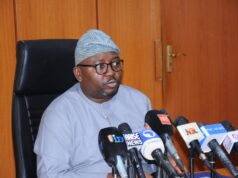
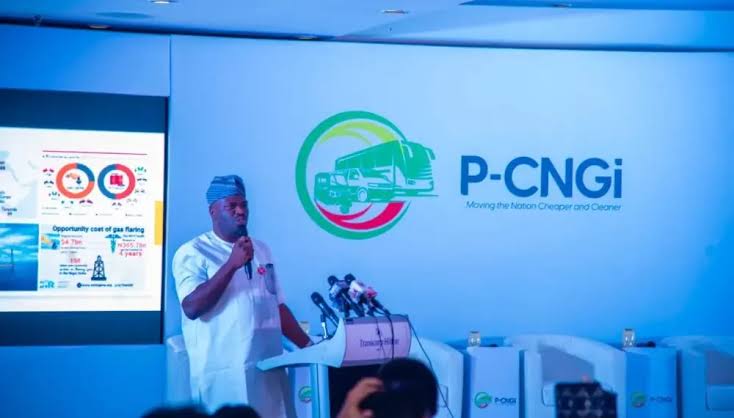
The Program Director and Chief Executive of PCNGI, Engr. Michael Oluwagbemi, stated that over $500 million has been invested in the CNG sector within a year, leading to the creation of over 10,000 direct jobs and the emergence of 255 new vehicle conversion centers and 53 daughter stations.
The number of CNG vehicles has grown from 4,000 to over 50,000, with projections to reach 100,000 in the near future.
“The infrastructure is growing rapidly, and the private sector is responding with enthusiasm,” the statement noted, highlighting that over 175 CNG refueling stations are being rolled out by various private and public partners nationwide.
Recent developments include the commissioning of new daughter stations in Abuja by AY Shafa and Femadec, both of which have ambitious plans to expand their CNG networks.
Femadec is also spearheading efforts to develop CNG ecosystems in 20 Nigerian universities. Greenville, another key player, is currently deploying LCNG stations across 51 locations in northern and southeastern Nigeria.
In addition, the PCNGI is supporting the development of 24 new refueling sites over the next six to nine months, with new stations set to go live in Ilorin, Port Harcourt, Ado Ekiti, Lokoja, Abuja, Aba, and Enugu.
The Nigerian National Petroleum Company Limited (NNPCL) is expanding its footprint, adding eight new stations to its current 12, with plans to complete 40 more under its Phase 2 rollout.
Other notable investments include Bovas’ eight-station expansion in Ibadan and NIPCO’s ongoing development of eight additional stations, complementing its existing 23.
The Midstream and Downstream Gas Infrastructure Fund (MDGIF) has also played a pivotal role, awarding equity investments to ten new gas projects, with three focused on building CNG stations.
Last year, MDGIF committed ₦123 billion to the sub-sector, with four of six funded projects directed at CNG development.
PCNGI acknowledged that significant infrastructure expansion takes time, cautioning that reversing decades-long reliance on petrol and diesel cannot be achieved in just seven months.
It called for patience and a balanced media narrative, urging stakeholders to recognize the substantial progress already made.
“Nigerians love CNG, and the program is working,” the statement concluded. “Rome wasn’t built in a day, and building a new energy economy will also take time—but we are clearly on the right track.”

- Fire razes 10 shops in Zamfara - March 20, 2026
- Blackouts: FG moves to fix gas supply crisis, promises improved power - March 20, 2026
- Uber reports N6.1bn driver earnings as Lagos strike disrupts ride-hailing - March 20, 2026