The Nigerian National Petroleum Company (NNPC) Limited says the recently signed Memorandum of Understanding (MoU) for the rehabilitation and operation of the Port Harcourt and Warri refineries is aimed at establishing a performance-driven business partnership that will ensure the facilities become profitable and self-sustaining.
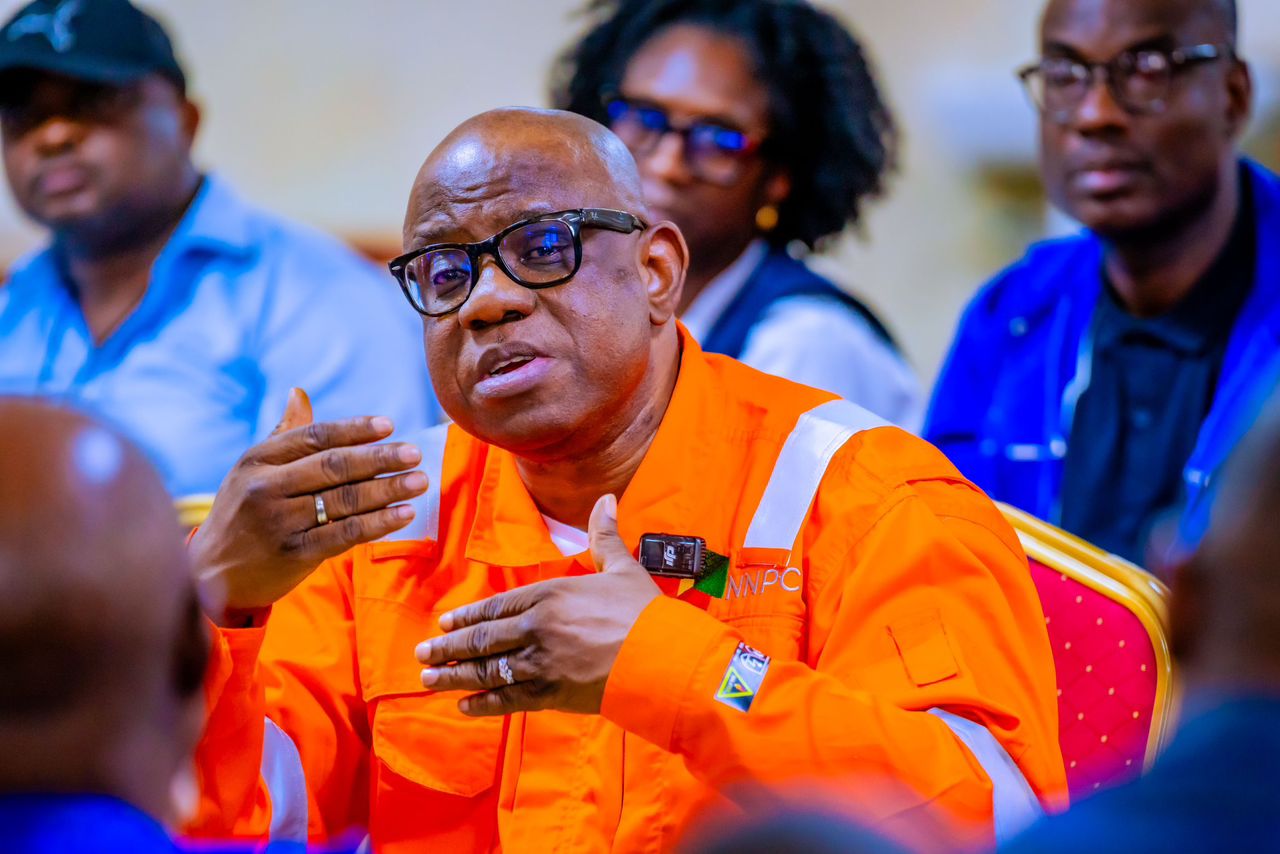
The Group Chief Executive Officer of NNPC Limited, Bayo Ojulari, said this in a statement shared on X on Friday, July 3, 2026.
Ojulari explained that the NNPC Limited is adopting a strategic approach that prioritises long-term operational efficiency over short-term fixes.
Ojulari said reviving the nation’s refineries requires more than replacing equipment, stressing that success depends on securing the right technical and business partners capable of delivering sustainable results.
He explained that the MoU signed for the Port Harcourt and Warri refineries has entered a rigorous evaluation phase, describing the agreement as a framework for exploring potential collaboration rather than a binding contract.
“The MoU is an agreement to explore working together, not a binding contract,” he said, adding that the process is designed to identify partners that can support a performance-based business model for the refineries.
Ojulari noted that the evaluation process is being fully funded by the prospective partners, ensuring that due diligence is carried out without financial burden on NNPC while allowing decisions to be based on objective data and commercial viability.
Why we don’t cut petrol prices in line with global oil price drop — Dangote refinery
He added that the initiative forms part of a broader vision to transform Nigeria’s downstream petroleum sector by expanding the country’s petrochemicals value chain and increasing investments in gas-based industries.
The NNPC boss said the long-term plan includes the development of new methanol plants alongside other gas-related industrial projects to deepen value addition and enhance economic growth.
Ojulari emphasised that meaningful reforms in the oil and gas sector require discipline and consistency throughout every stage of implementation.
“Real change isn’t announced once. It’s built through discipline applied consistently, at every stage, until it becomes how things are done,” he said.

- OAU lecturer wins $5m Gates Foundation grant to tackle maternal deaths in Nigeria - October 9, 2026
- Wike orders demolition of illegal beer parlours in Abuja - October 9, 2026
- FG bars MDAs from buying vehicles from unregistered suppliers - October 9, 2026