

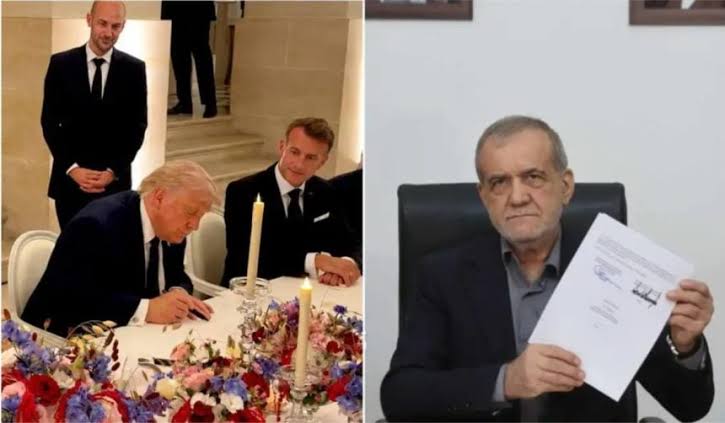
Efforts to secure a permanent peace agreement between the United States and Iran have been thrown into doubt after planned negotiations in Switzerland were postponed, amid renewed fighting in Lebanon and lingering disagreements over key issues.
The talks, scheduled for Friday in the Swiss resort of Buergenstock, were expected to lay the groundwork for transforming a recently signed memorandum of understanding into a comprehensive peace accord after more than three months of war.
However, the meeting was called off after U.S. Vice President JD Vance abandoned plans to attend, according to sources familiar with the discussions.

Iranian chief negotiator Mohammad Baqer Qalibaf was also not expected to participate.
The delay has raised concerns about whether Washington and Tehran can meet the 60-day deadline set out in the interim agreement signed earlier this week.
The deal temporarily halted hostilities and provided a framework for negotiating unresolved issues, including Iran’s nuclear programme.
Diplomatic efforts have also been complicated by escalating violence in Lebanon, where clashes between Israeli forces and Hezbollah have intensified.
Lebanese officials reported that 18 people were killed in fresh Israeli airstrikes, while Israel said four of its soldiers died in a Hezbollah attack.
Although the ceasefire agreement calls for an immediate end to military operations by the United States, Iran, and their allies across the region, Israel has maintained that it is not bound by the accord because it was not involved in the negotiations.
Oil prices drop as Hormuz shipping resumes after US-Iran peace deal
Despite the uncertainty, Iran has expressed readiness to begin technical negotiations.
The White House told Reuters the U.S. delegation remained prepared for talks, noting that arranging such negotiations had always been challenging.
Switzerland’s Foreign Ministry confirmed the postponement and said it remained committed to facilitating future discussions. Preparatory work for the negotiations, it added, is continuing.
Meanwhile, plans for a formal signing ceremony in Switzerland appear uncertain after Iran questioned the need for the event, arguing that the agreement had already been endorsed by both presidents.
The conflict, which erupted on February 28 following U.S. and Israeli strikes on Iran, has left at least 7,000 people dead, mostly in Iran and Lebanon, while disrupting global energy markets and raising fears of wider regional instability.

- How I manage Davido’s wealth, spending ― Sister - September 23, 2026
- FULL LIST: Lagos govt seals church, nightclub, hotels - September 23, 2026
- The human sacrifice at Minna shrine, By FUNKE EGBEMODE - September 23, 2026