

The rescue and rehabilitation of Agbaibor, an orphaned forest elephant in Edo State’s Okomu National Park, has drawn attention to the growing threats facing Nigeria’s endangered wildlife.
The elephant calf, believed to be about a month old when he was found alone near a palm oil plantation bordering the park late last year, was rescued after efforts to reunite him with his herd failed.
Rangers and conservation group African Nature Investors subsequently launched an intensive rehabilitation programme to keep him alive.
Agbaibor, named after the ranger involved in his rescue, is being cared for around the clock and consumes about two litres of milk per feeding.
Conservationists estimate his rehabilitation could take another three to five years before he can be reintroduced into the wild.
The operation costs between N4 million and N5 million monthly, covering specialised milk formula, nutritional supplements and veterinary care.
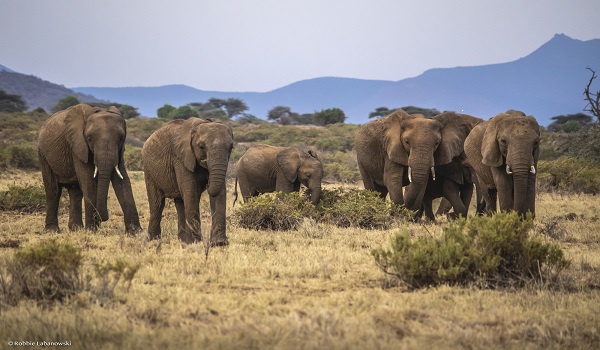
Forest elephants are listed as critically endangered by the International Union for Conservation of Nature, with conservationists estimating that only about 200 remain in Nigeria.
Around 40 are believed to inhabit Okomu National Park, one of the country’s last remaining rainforest ecosystems.
Conservationists warn that logging, poaching, farming and expanding settlements continue to threaten elephant habitats, increasing human-wildlife conflict and shrinking migration corridors.
To address the challenge, conservation groups have intensified community engagement and anti-poaching efforts, recruiting and training local residents as rangers to protect the forest.
For wildlife caretakers, Agbaibor’s survival represents more than a rescue mission. It has become a symbol of the urgent need to protect Nigeria’s remaining elephant population and preserve the country’s rapidly disappearing rainforest habitats.

- Bauchi woman stabs husband over belongings - October 25, 2026
- FG releases N38.93bn for 166 tertiary institutions - October 25, 2026
- Ebola: NCDC isolates nine fresh contacts as tracing expands - October 25, 2026