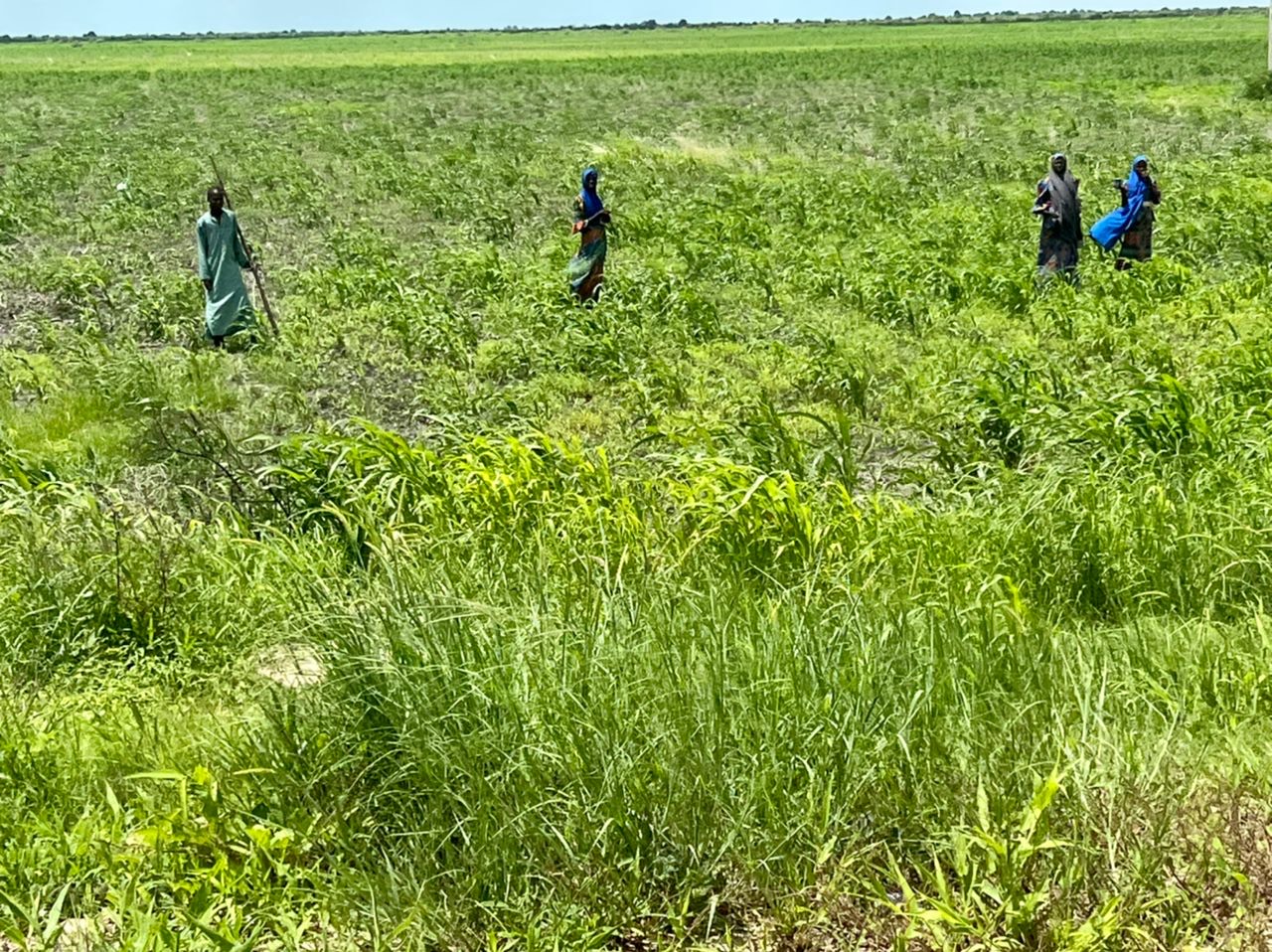
Farmers across northern Nigeria are sounding the alarm over the escalating cost of fertilisers and agrochemicals, warning that the trend poses a grave threat to food security and national agricultural productivity.
From Abuja to Kano, Katsina, and Jigawa, smallholder farmers—the backbone of Nigeria’s food supply—say they are struggling to cope with skyrocketing input costs, shrinking farm sizes, and dwindling yields.
FCT Farmers Cry Out
In Bwari Area Council of the FCT, the frustration is palpable.
Mr. Phillip Akuso, a farmer in Baran-goni community, said fertiliser prices have surged dramatically in just one year.
“In 2024, we bought a bag of Golden Urea or NPK fertiliser for ₦35,000 to ₦37,000. Today, the same bag is ₦47,000. Even the lower grade NPK 20.10.10 now costs ₦25,000,” he lamented.
“The price of pesticides and herbicides has also gone through the roof. Imagine selling a bag of maize and still being unable to buy one bag of fertiliser. How do we survive under these conditions?”
Akuso blamed the hike on rising fuel costs, a key input in fertiliser production, and urged government to reintroduce subsidies for farmers.
For Mr. Bawah Malik of Sabon-Gari community, many farmers are being forced to abandon industrial fertilisers and turn to organic alternatives such as poultry manure and cow dung.
“A bag of poultry manure costs between ₦5,000 and ₦6,000—and you still have to book in advance because demand is high. If your farmland needs 20 bags of industrial fertiliser and you can’t afford it, you’re left with no option but to improvise,” he said.
Malik appealed for urgent government intervention through subsidised inputs and accessible credit facilities, stressing that smallholder farmers cannot bear the current burden alone.
Agricultural expert, Mr. Tanimu Ibrahim, noted that while organic fertilisers improve soil health, they cannot fully replace industrial fertilisers, which deliver faster nutrient absorption. However, he warned that Nigeria must strike a balance to avoid long-term soil degradation.
Kano, Katsina, Jigawa Farmers Count Losses
The problem is not confined to Abuja. Across northern states, farmers are grappling with similar challenges that threaten to derail the upcoming planting season.
In Kano, maize farmer Alhaji Musa Bello said the cost of fertilisers has nearly doubled in two years.
“Last season, I bought NPK at ₦30,000. Today, it is almost ₦50,000. How do you expect us to cultivate large hectares under these conditions? Many farmers are cutting down farm sizes, and that means reduced harvests,” he said.
In Katsina, rice farmer Hajiya Aisha Abdullahi expressed concern that many women farmers have been forced to scale down operations.
“We depend on rice farming to support our families, but the cost of fertiliser is discouraging. Some of us have reduced from five hectares to just one or two.
“If this continues, there will be food shortages in the near future,” she warned.
In Jigawa, sorghum farmer Mallam Umar Adamu said many genuine farmers are being priced out of the market.
“Even when subsidies are announced, the fertiliser hardly gets to real farmers. Middlemen corner it and resell at inflated prices. If nothing is done, hunger will rise across the country,” he lamented.
A National Concern
Experts warn that the spiraling cost of fertilisers and agrochemicals could undermine Nigeria’s quest for food self-sufficiency. Agriculture contributes about 25 percent to Nigeria’s GDP and employs more than 35 percent of the population, yet farmers say they receive little to no support compared to their counterparts in other countries.
Stakeholders are therefore calling on the federal and state governments to prioritise agriculture through targeted subsidies, direct distribution of inputs to farmers, and tighter regulation to curb middlemen exploitation.
Without urgent intervention, they warn, shrinking farmlands, reduced harvests, and rising food prices could deepen Nigeria’s food insecurity crisis.

- Kano divided as Sanusi, Bayero, Kwankwaso hold separate Eid prayers - March 20, 2026
- Okpebholo pushes fast-track plan to restore disputed land - March 20, 2026
- Wike urges unity, peace as Abuja residents celebrate Eid-el-Fitr - March 20, 2026