
President Bola Tinubu has approved a N3.3 trillion payment plan to settle decade-long debts crippling Nigeria’s power sector, in what the presidency described as a landmark step toward restoring reliable electricity supply across the country.
The debt repayment plan, announced on Sunday through the State House, follows a comprehensive review and verification of legacy liabilities that accumulated in the power sector between February 2015 and March 2025.
The N3.3 trillion figure has been agreed upon as a full and final settlement, with the government describing the resolution as fair and transparent.
Implementation is already underway. Fifteen power plants have signed settlement agreements totalling N2.3 trillion, while the Federal Government has raised N501 billion to fund the payments.
Of that amount, N223 billion has already been disbursed, with further tranches in progress.
The Special Adviser on Energy to President Tinubu, Olu Arowolo-Verheijen, said the initiative was designed to unlock stability across the entire power value chain — from gas suppliers to generating companies and distributors.
“This programme is not just about settling legacy debts. It is about restoring confidence across the power sector — ensuring gas suppliers are paid, power plants can keep running, and the system begins to work more reliably,” she said.
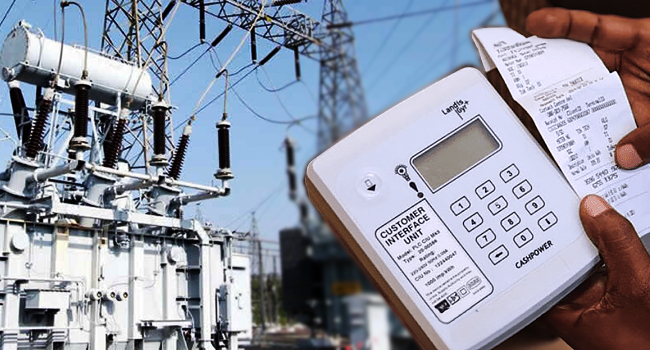
Arowolo-Verheijen added that the debt settlement was one component of a broader reform agenda that includes improved metering and the introduction of service-based tariffs linking electricity bills to the quality of supply received by consumers.
She noted that the government was placing particular emphasis on ensuring reliable power supply to businesses, industries and small enterprises, framing electricity access as a critical driver of job creation and economic growth.
“The goal is simple: more reliable power for homes, stronger support for businesses, and a system that works better for all Nigerians,” she said.
President Tinubu commended stakeholders who supported efforts to resolve the sector’s longstanding financial crisis and confirmed that the second phase of the Presidential Power Sector Financial Reforms Programme — Series II — would commence within the current quarter.
The power sector’s legacy debt crisis has long been identified as one of the principal reasons for chronic underperformance in electricity generation and distribution in Nigeria, with gas suppliers and power plant operators frequently unable to sustain operations due to unpaid invoices stretching back years.

- Wike seizes Jikwoyi collapse site, orders developer’s arrest - April 7, 2026
- Military, UniJos debunk viral report of campus unrest - April 7, 2026
- Veteran Nollywood actor, Clarus of New Masquerade, dies at 85 - April 7, 2026