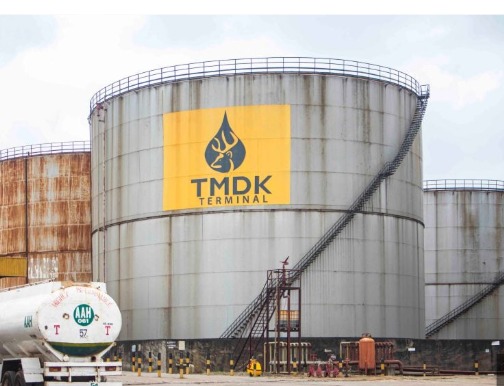
TMDK Terminals Limited has denied allegations of persistent non-compliance with International Ship and Port Facility Security (ISPS) Code regulations, following the recent shutdown of its operations by the Nigerian Maritime Administration and Safety Agency (NIMASA).
In a press statement issued on Thursday, the terminal operator described the enforcement action as stemming from a “mischaracterization” of its compliance status, stressing that it has always operated in good faith and in alignment with security protocols.
“TMDK has never at any time deliberately disregarded compliance directives or security protocols,” the company stated.
“We have constructively engaged with NIMASA and promptly addressed any minor lapses identified, without being formally notified of exceeding the three-month non-compliance window under Section 79(f) of the ISPS Code Implementation Regulations, 2014.”
The company highlighted several proactive measures undertaken in the past six months, including the installation of advanced access control and surveillance systems, in a bid to enhance its port security infrastructure in accordance with global standards.
TMDK further disclosed that prior to the shutdown, it was in the process of requesting a re-inspection of its facility by NIMASA to validate its compliance improvements.
The company expressed disappointment that enforcement was initiated before the re-evaluation could take place.
Reaffirming its commitment to maritime safety and national development, TMDK stated: “Our terminal handles critical cargo for domestic and regional markets, and the continued closure has far-reaching implications on supply chain efficiency and trade facilitation.”
The management called on NIMASA to urgently conduct a reassessment of its facility and lift the shutdown in the interest of stakeholder confidence and the smooth functioning of Nigeria’s maritime sector.
“TMDK remains a willing partner in the quest for secure, compliant, and efficient maritime facilities and urges collaborative engagement in an atmosphere of mutual respect and transparency,” the statement concluded.

- VIDEO: King Charles jokes about jollof rice, says ‘Naija no dey carry last’ - March 19, 2026
- CBN: Dangote Refinery imported crude worth $3.74bn in 2025 - March 19, 2026
- Tinubu pushes for fresh UK security deal - March 19, 2026