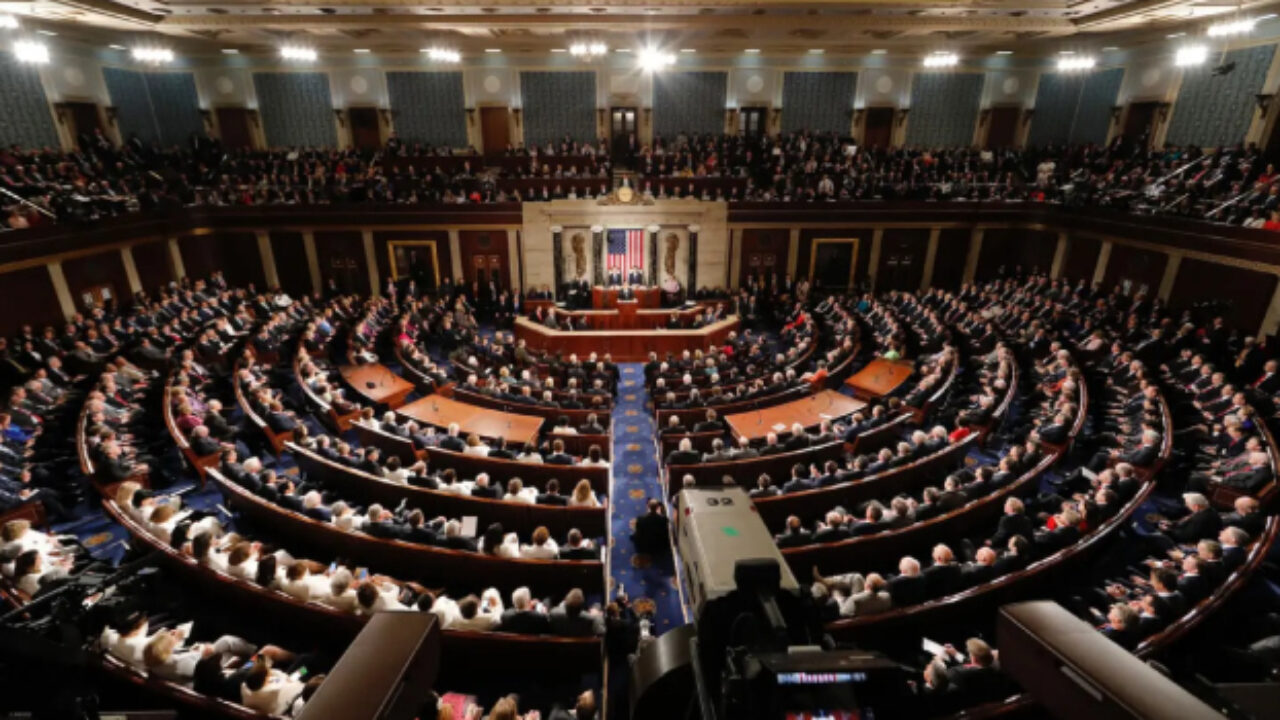

The United States Congress has dismissed speculation about deploying American troops to Nigeria following the country’s designation as a Country of Particular Concern (CPC), stressing that the move is diplomatic, not military.
Members of a bipartisan U.S. Congressional delegation made this clear during a press briefing in Abuja after meetings with Nigerian officials and stakeholders.
They said the CPC designation is intended to encourage reforms, accountability, and stronger protection of religious freedom, not to signal military intervention.

The delegation, led by Rep. Bill Huizenga and joined by Reps. Michael Baumgartner, Keith Self, and Jefferson Shreve, acknowledged Nigeria’s serious security challenges but emphasized that solutions should come through cooperation, dialogue, and institutional reforms.
“Nigeria does need help, but that does not mean U.S. troops,” Huizenga said. “The CPC designation is a tool to motivate action, not a step toward military deployment.”
The lawmakers explained that the decision was influenced by ongoing violence affecting communities nationwide, particularly in the Middle Belt, where religious factors are sometimes involved.
They stressed that no group—Muslim or Christian—should live in fear and that protecting all citizens remains the responsibility of the Nigerian government.
They noted that the CPC designation has already prompted discussions within Nigeria’s government, describing this as a positive sign that the measure is having its intended impact. According to the delegation, the designation is not meant to punish Nigeria or its people but to drive reforms and improve religious freedom.
The lawmakers also highlighted Nigeria’s varied security challenges, distinguishing terrorism in the North-East from communal and religiously influenced violence in states such as Plateau and Benue. They said strategies must reflect these regional differences.
Nigeria’s CPC status, they added, is subject to review based on measurable progress in reducing violence and safeguarding religious freedom.
They rejected claims that the designation could damage U.S.–Nigeria relations, describing it instead as honest engagement between partners.
While ruling out military action, the delegation expressed support for non-military assistance, including humanitarian aid, diplomatic engagement, and capacity building, describing the approach as “shoes on the ground, not boots.”
The lawmakers said they would brief officials in Washington on Nigeria’s strategic importance to Africa and global stability, warning that insecurity in the country has broader regional and international implications.
During their visit, the delegation met with government officials, religious leaders, civil society groups, and private sector representatives. U.S. Ambassador to Nigeria, Richard Mills, said the visit underscored Washington’s commitment to its partnership with Nigeria, with discussions covering security, democracy, economic growth, and the issues behind the CPC designation.
Huizenga added that the CPC issue has been debated in Congress for years and said the visit was aimed at fostering direct and constructive dialogue, noting that continued reforms could lead to a review of Nigeria’s status and a stronger bilateral relationship.

- Military arrests 53 terror aides in one week - March 29, 2026
- Pastor weds autistic man to older woman after public backlash - March 29, 2026
- Senior ISWAP commander Al-Muhajir killed in Malam Fatori - March 29, 2026