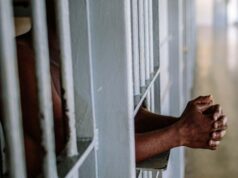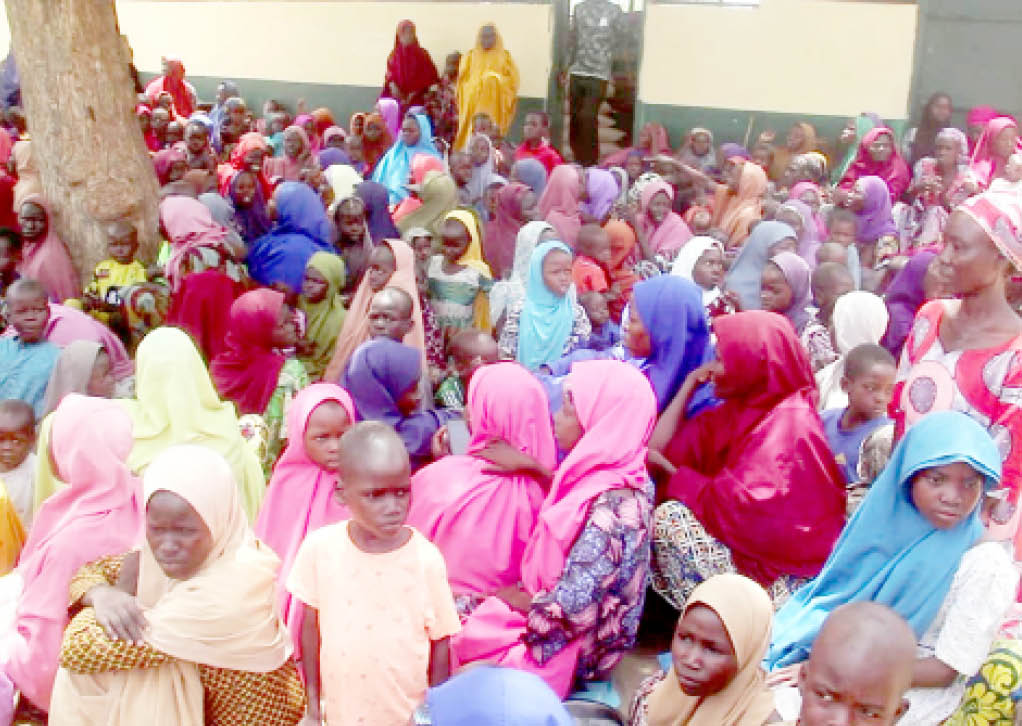
Survivors rescued from a mass abduction in Ngoshe, Gwoza Local Government Area of Borno State, have described the brutal conditions they endured during more than three months in Boko Haram captivity, with accounts of starvation, physical abuse, and the death of loved ones painting a grim picture of life in the terrorists’ mountain hideouts.
The victims were among hundreds of residents seized on March 3 when insurgents stormed communities in Ngoshe, a border town near the Mandara Mountains, abducting more than 400 people, predominantly women and children. Troops of Operation Hadin Kai subsequently rescued 360 captives from terrorist hideouts in the mountains. The freed victims are currently receiving care at the Pulka Internally Displaced Persons camp, where they were visited on Monday by Borno State Governor, Babagana Umara Zulum.
One of the survivors, Aisha Bukar, told those who visited the camp that she spent three months and two weeks in captivity, surviving primarily on raw corn soaked in water and fed only once daily. “We survived on soaked raw corn and ate only once daily. That was how we lived for more than three months,” she said, adding that many victims were still struggling to adjust to normal meals following their rescue.
Another survivor, Hafsat Musa, recounted losing her husband and three children during her ordeal. She said she was beaten during the abduction before being taken into the mountains, where captives were held in a cave under severe conditions with no food, shelter or opportunity to bathe. “Hunger and starvation were constant. During my time there, I lost my husband and my three children,” she said. Musa alleged that food sent by the insurgent group’s leader was frequently diverted by subordinates, leaving captives weak and malnourished. She also revealed that another woman held alongside her lost four of her seven children during the captivity and only learned of the deaths after reaching the camp.
A third survivor, Zainab Abubakar, corroborated accounts of once-daily feeding and expressed gratitude for her rescue. Most survivors said conditions for those still in captivity remain as severe as what they experienced.
One of the rescued men, Idrissa Mustapha, offered a contrasting account, saying he was abducted while breaking his Ramadan fast and was later housed by one of the insurgent leaders. He said he was not subjected to physical abuse and received regular meals during his time in captivity.
Governor Zulum confirmed that 357 captives were freed in the latest rescue operation, while dozens of others had regained their freedom in earlier phases, bringing the total number released to 434. He said the state government had released funds for the rehabilitation of Ngoshe community to facilitate the safe return of displaced residents, and that discussions were ongoing with community leaders and security agencies to ensure voluntary, safe and dignified resettlement for those willing to return.
Zulum commended President Bola Ahmed Tinubu, the Nigerian Armed Forces, the Department of State Services, the Office of the National Security Adviser, the Civilian Joint Task Force, vigilantes and hunters for their roles in securing the victims’ release, and directed the distribution of food and relief materials to the rescued persons.
The freed captives are currently receiving medical attention, psychosocial support and rehabilitation services ahead of their eventual reintegration into their communities.

- CBN wins NES award for economic reforms - September 10, 2026
- Ekiti gives N105m relief to flood, rainstorm victims - September 10, 2026
- FG rolls out 100MB daily free data for students - September 10, 2026