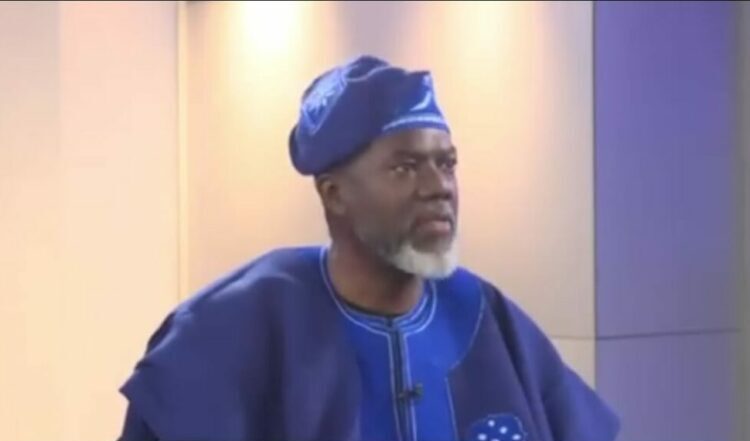
Former presidential aide and Ambassador-designate to Mexico, Reno Omokri, has defended President Bola Ahmed Tinubu’s decision to remove fuel subsidy, arguing that the savings from the policy are being channelled into key sectors of the economy.
In a statement, Omokri said the gains from subsidy removal are evident in increased foreign reserves, higher allocations to states, expanded student loan funding, regional development commissions and major infrastructure projects across the country.
According to him, Nigeria’s foreign reserves have risen significantly under the Tinubu administration, growing from a reported net reserve position of $3.7 billion inherited in 2023 to $50.26 billion as of June 2026.
He explained that stronger reserves help shield the economy from external shocks, support imports of critical goods and services, and improve the country’s ability to meet financial obligations.
Omokri also pointed to increased revenue allocations to states following the end of fuel subsidy payments. He noted that while the Federation Account Allocation Committee (FAAC) distributed ₦725.57 billion to the three tiers of government in March 2022, allocations for March 2026 rose to ₦2.036 trillion.
The former presidential aide further highlighted the establishment and funding of regional development commissions across the country’s six geopolitical zones, describing them as a major beneficiary of the subsidy savings.
According to him, the commissions now receive about ₦2.5 trillion annually in funding, providing resources for regional development initiatives that were previously unavailable.
On education, Omokri said more than one million indigent Nigerian students have benefited from loans under the Nigerian Education Loan Fund (NELFUND), with about ₦300 billion disbursed through the programme.
He also cited ongoing infrastructure projects as evidence of the government’s investment of subsidy savings, including the Lagos-Calabar Coastal Highway, the Illela-Sokoto-Badagry Superhighway and the Trans-Saharan Road project.
Omokri argued that the removal of fuel subsidy has enabled the government to redirect resources toward long-term development programmes aimed at improving living standards and boosting economic growth.
He maintained that claims that Nigerians cannot identify the benefits of subsidy removal are unfounded, insisting that investments in education, infrastructure, regional development and fiscal stability demonstrate where the savings are being utilised.
The ambassador-designate also stated that increased allocations to states have improved their financial capacity, while reforms in the education sector have contributed to relative industrial peace in public universities.
According to him, the Tinubu administration’s policies are laying the foundation for sustainable economic growth and improved human development outcomes across the country.

- PDP replaces Kano gov candidate with Abacha’s son - September 16, 2026
- FG rules out fee hike under King’s College deal - September 16, 2026
- Power minister: Nigerians ask me to slow down, freezers are freezing - September 16, 2026