

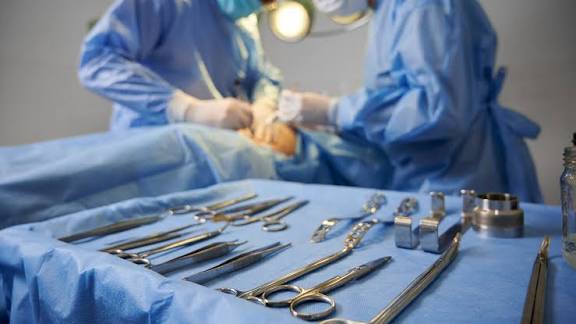

Surgeons have cautioned patients against eating solid or heavy meals soon after undergoing abdominal or gastrointestinal procedures, warning that doing so could lead to serious, potentially life-threatening complications.
According to them, the digestive system becomes temporarily inactive after surgery, and any attempt to resume normal feeding too quickly can result in vomiting, abdominal pain or other medical emergencies.
A Professor of Surgery at Bayelsa Medical University, Yenagoa, Paingha Alagoa, said the period before and after surgery requires careful management of food intake, as the intestines need time to rest and gradually return to normal function.
He explained that because the bowel becomes sluggish following anaesthesia and surgical manipulation, patients must be reintroduced to food slowly, starting with clear fluids.
“The period before and after surgery is characterised by fasting.
“The intestines are rested, and so just like we do after prolonged fasting, we commence oral intake gradually,” he said.
Alagoa noted that patients initially receive small quantities of clear fluids, then progress to a fluid diet, light meals, and eventually solid foods as their tolerance improves.
This process, he said, typically takes between 24 and 48 hours but may be slowed down if the patient experiences vomiting or abdominal pain.
He stressed that consuming heavy meals too early could aggravate symptoms and slow recovery.
He also highlighted that the timing of feeding depends on the type of procedure performed.
While patients who undergo minor abdominal surgeries may begin eating within 24 hours, complex procedures involving the intestines require longer delays.
“For more extensive surgeries on the intestines, we may wait up to five days before commencing oral feeds, especially when we have had to cut and join parts of the intestines,” he said.
Once feeding resumes, he advised patients to consume balanced diets rich in carbohydrates, proteins, vitamins and minerals, while staying adequately hydrated.
Professor Stanley Anyanwu of Nnamdi Azikiwe University also emphasised that the timing of postoperative feeding depends on the nature of the surgery and the type of anaesthesia used.
He explained that while simple procedures such as mole removal allow immediate return to normal meals, abdominal surgeries require strict adherence to staged feeding.
Using the example of gut resection, Anyanwu said the intestines may need four to five days to heal before liquids can be introduced.
Doctors, he added, monitor specific signs — including the return of bowel sounds and the passage of stool or flatus — to determine readiness for feeding.
“When the gut shows signs of recovery, the first meal after abdominal surgery is clear fluids like water.
“If tolerated, patients move to bland liquids such as tea or watery pap.
“Only after this do they advance to foods like custard, rice, and later cassava-based meals,” he explained.
He noted that feeding is introduced in small quantities to assess tolerance, gradually progressing from half a cup of fluid to solid meals over several hours or days, depending on the patient’s condition.
He maintained that careful, step-by-step reintroduction of food is essential to prevent choking, vomiting, or other complications that could endanger recovery.

- Abia to sign $200m MoU with Presco Plc for palm oil investment - March 13, 2026
- NEMA receives 147 Nigerian returnees from Niger Republic in Kano - March 13, 2026
- Navy destroys illegal crude oil storage site in Rivers - March 13, 2026