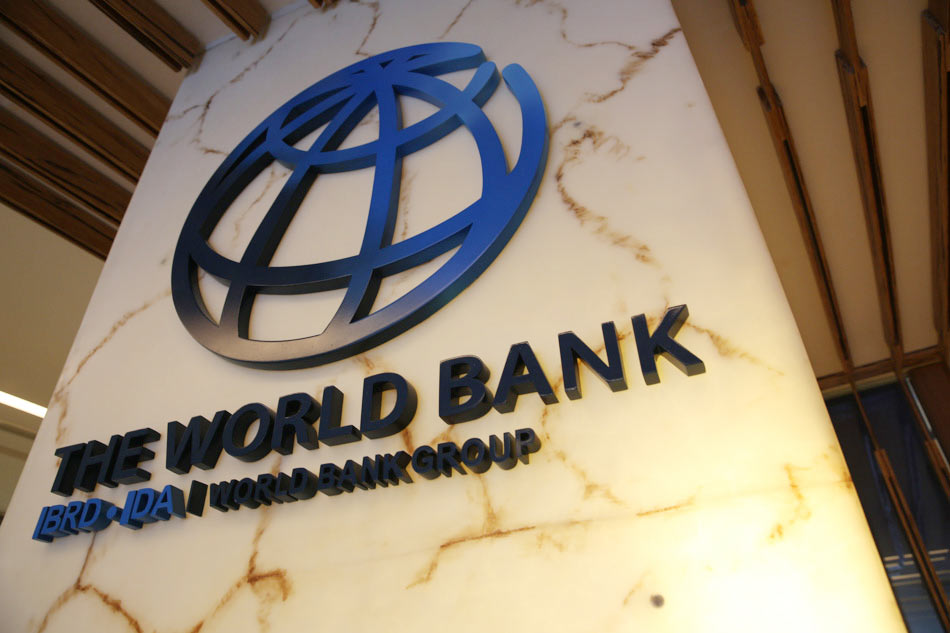

The World Bank has approved a $500 million International Development Association credit to strengthen Nigeria’s agricultural sector through a new programme aimed at improving productivity, value chains, and food security.
The facility will fund the Nigeria Sustainable Agricultural Value-Chains for Growth (AGROW) Project, designed to support smallholder farmers, expand market opportunities, and stimulate private-sector investment.
A statement released on the Bank’s website on Thursday confirmed that the project—approved on March 30, 2026—seeks to address longstanding structural challenges in Nigeria’s agriculture sector, which, despite being the country’s largest employer, continues to deliver low productivity and limited access to quality inputs.
The World Bank noted that many farmers remain locked in subsistence agriculture, with food and nutrition insecurity persisting nationwide.
Under AGROW, agribusinesses sourcing produce from smallholder farmers will receive support through a results-based matching grant system.
Key project priorities include aggregation, post-harvest handling, agro-processing, and enhanced market access for crucial staples such as rice, maize, cassava, and soybeans.
The programme will also strengthen agricultural research and extension services, expand access to climate-resilient seeds, and build a national digital farm and farmer registry.
Farmers are expected to benefit from digital advisory tools, including localised weather information and climate-smart guidance.
Additionally, the project will upgrade seed and fertiliser regulatory systems, improve early-generation seed supply, and encourage private-sector participation in producing high-quality inputs.
It will also promote transparent land-based investments and ensure strong monitoring and citizen engagement, with deliberate inclusion of women and youths.
World Bank Country Director for Nigeria, Mathew Verghis, described AGROW as a major step toward agricultural transformation.
He said the initiative is expected to benefit up to one million smallholder farmers, attract $220 million in private investment, and significantly increase yields across targeted crops.
The six-year project will run from 2026 to 2032 and aligns with Nigeria’s goal of boosting productivity, creating jobs, and transitioning smallholder farmers into commercially viable agribusinesses.
Nigeria continues to rely heavily on concessional financing from multilateral lenders.
According to the Debt Management Office, the country owed the World Bank Group $19.54 billion as of September 30, 2025—representing over 40% of its total external debt stock of $48.46 billion.

- I admire my parents’ legacy, but it was never uniform to wear — Tolu Odukoya - April 12, 2026
- My husband trusts me enough to handle kissing scenes — Scarlet Gomez - April 12, 2026
- Katsina to domesticate national safe schools policy - April 12, 2026