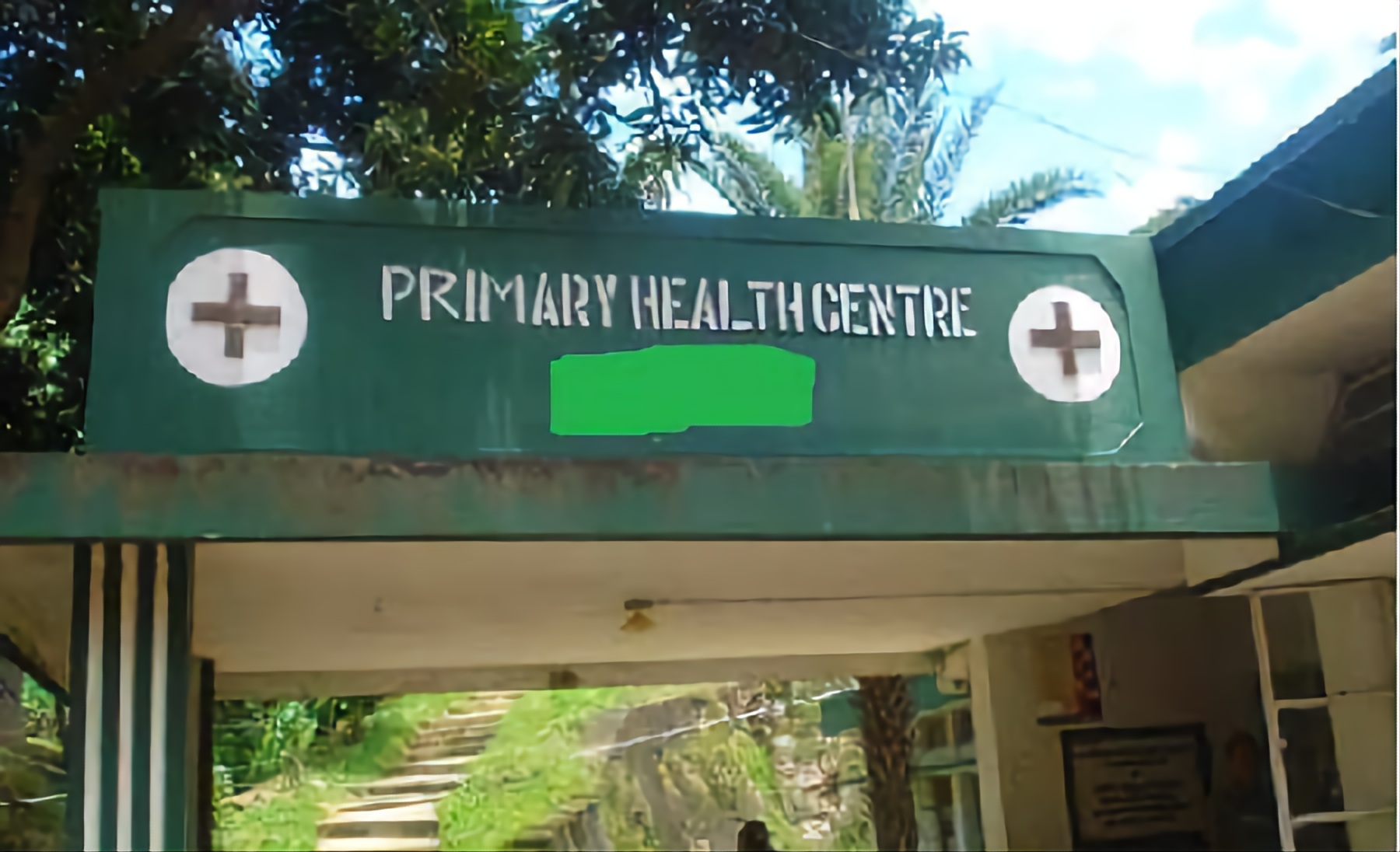
Nigeria’s healthcare system is facing fresh concerns after findings revealed that at least 3,715 Primary Healthcare Centres across 19 states and the Federal Capital Territory are currently inactive, limiting access to basic healthcare services for millions of residents.
An analysis of the Primary Healthcare Centres indicator dashboard of the National Primary Health Care Development Agency showed widespread inactivity among facilities expected to serve as the first point of healthcare delivery, especially in rural and underserved communities.
The data highlights growing challenges within Nigeria’s primary healthcare system, which health experts describe as critical to disease prevention, maternal and child healthcare, immunisation, and emergency response services.

According to the report, Katsina State recorded the highest number of non-operational PHCs with 349 inactive facilities, followed by Osun with 326.
Other states with large numbers of dormant PHCs include Kano with 279, Enugu with 268, Benue with 265, Delta with 246, Kogi with 230, Ogun with 227, and Adamawa with 225.
Bauchi was reported to have 212 inactive centres, Rivers 205, Ondo 198, Cross River 172, and Yobe 161.
Further analysis showed that Edo recorded 146 inactive PHCs, while Borno had 120, Nasarawa 115, Bayelsa 100, and the Federal Capital Territory 62.
Primary Healthcare Centres are designed to provide essential medical services for millions of Nigerians, particularly in communities with limited access to general hospitals and specialist care.
The facilities are expected to offer services such as antenatal and postnatal care, child immunisation, malaria treatment, tuberculosis screening, family planning, nutrition support, treatment of common illnesses, health education, and disease surveillance.
PHCs also play a major role in managing public health emergencies and infectious disease outbreaks, including cholera, measles, meningitis, and COVID-19, through vaccination campaigns, awareness programmes, and referrals.
However, Nigeria’s PHC system has continued to struggle with years of underfunding, inadequate infrastructure, shortage of healthcare workers, and poor maintenance.
Health sector stakeholders have repeatedly identified abandoned projects, lack of medical equipment, unstable electricity supply, poor water facilities, and bad road networks as major challenges affecting healthcare delivery nationwide.
In several communities, some PHCs reportedly exist only on paper, with buildings abandoned, incomplete, or functioning without qualified personnel and essential medicines.
Security challenges have also worsened the situation in parts of northern Nigeria.
States affected by insurgency, including Borno, Yobe, and parts of Adamawa, have experienced disruptions to healthcare services due to attacks on communities and displacement of health workers.
Environmental factors such as flooding have equally affected healthcare infrastructure in riverine states like Bayelsa and Rivers, where difficult terrain limits access to medical facilities.
Over the years, the Federal Government, through the National Primary Health Care Development Agency, has introduced various initiatives aimed at improving healthcare delivery at the grassroots level.
These include the Basic Health Care Provision Fund and the policy aimed at ensuring at least one functional PHC in every political ward across the country.
Authorities have also implemented renovation and upgrade projects for selected healthcare centres nationwide.
Despite these efforts, stakeholders say poor implementation, delayed funding, weak accountability, and inadequate monitoring continue to hinder meaningful progress in the sector.

- Abuja hotel death: Woman, two workers arrested over body dumped under bridge - September 27, 2026
- Rabies scare as infected dog bites 18 in Kano - September 27, 2026
- Lagos traffic fuels creative industry — Hamzat - September 27, 2026