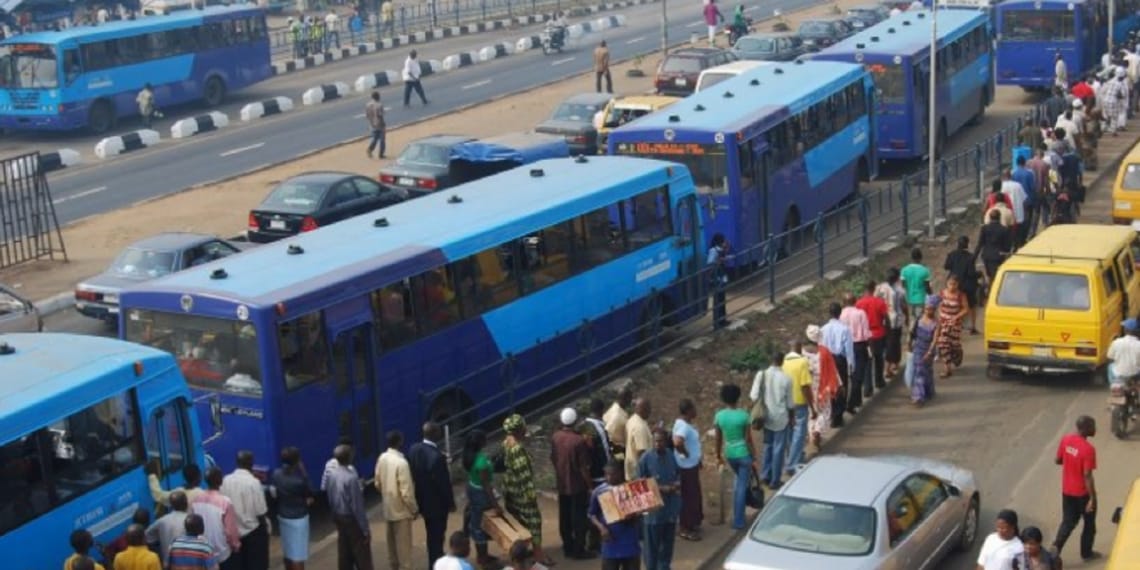

The Lagos State Government has approved a 13 per cent increase in fares for Bus Rapid Transit (BRT) and standard Bus Reform Initiative (BRI) services, with the new rates set to take effect on March 2, 2026.
The announcement was made by the Lagos Metropolitan Area Transport Authority (LAMATA) via its official X account.
The agency said the adjustment is aimed at sustaining public transport operations amid rising costs and inflationary pressures, urging commuters to prepare for the revised fare structure.
According to LAMATA, the increase was approved by Governor Babajide Sanwo-Olu following appeals from regulated transport operators who cited mounting economic challenges affecting transit services.
The agency noted that the decision aligns with the state’s annual review mechanism designed to balance the impact of inflation on both operators and passengers.
Higher expenses for maintenance, spare parts, staff wages, and investments in cleaner, fuel-efficient buses were listed as key drivers of the fare adjustment.
Lagos has periodically reviewed fares for regulated buses in recent years. The previous increase occurred in February 2025, when BRT and other BRI fares rose by 18 per cent.
Authorities have also implemented temporary relief measures to cushion economic pressure on residents. In August 2023, a 50 per cent fare rebate was introduced following the removal of fuel subsidies by the administration of President Bola Tinubu, lasting until November 6, 2023.
This was later replaced with a 25 per cent discount, which remained in place in phases until June 2024.
The Lekki–Epe corridor, added to the BRI network in December 2025, will also be affected by the new fare review.
The scheme deployed 229 high- and medium-capacity buses and introduced cashless payments through the Cowry card system, QR verification and Touch and Pay (TAP) stickers.
The state government continues to enforce restrictions on unregulated minibuses along the corridor, redirecting informal operators to feeder and community routes under its First and Last Mile transport plan while phasing out ageing vehicles.

- Supreme Court upholds Oyebanji’s APC nomination, dismisses appeal - July 24, 2026
- Court sentences man to death for murdering pregnant woman - July 24, 2026
- Section of newly commissioned Osun flyover damaged after heavy rainfall - July 24, 2026