Electricity Distribution Companies (DisCos) in Nigeria generated nearly N600bn in revenue in the first quarter of 2026, even as consumers grappled with persistent blackouts and unstable power supply.
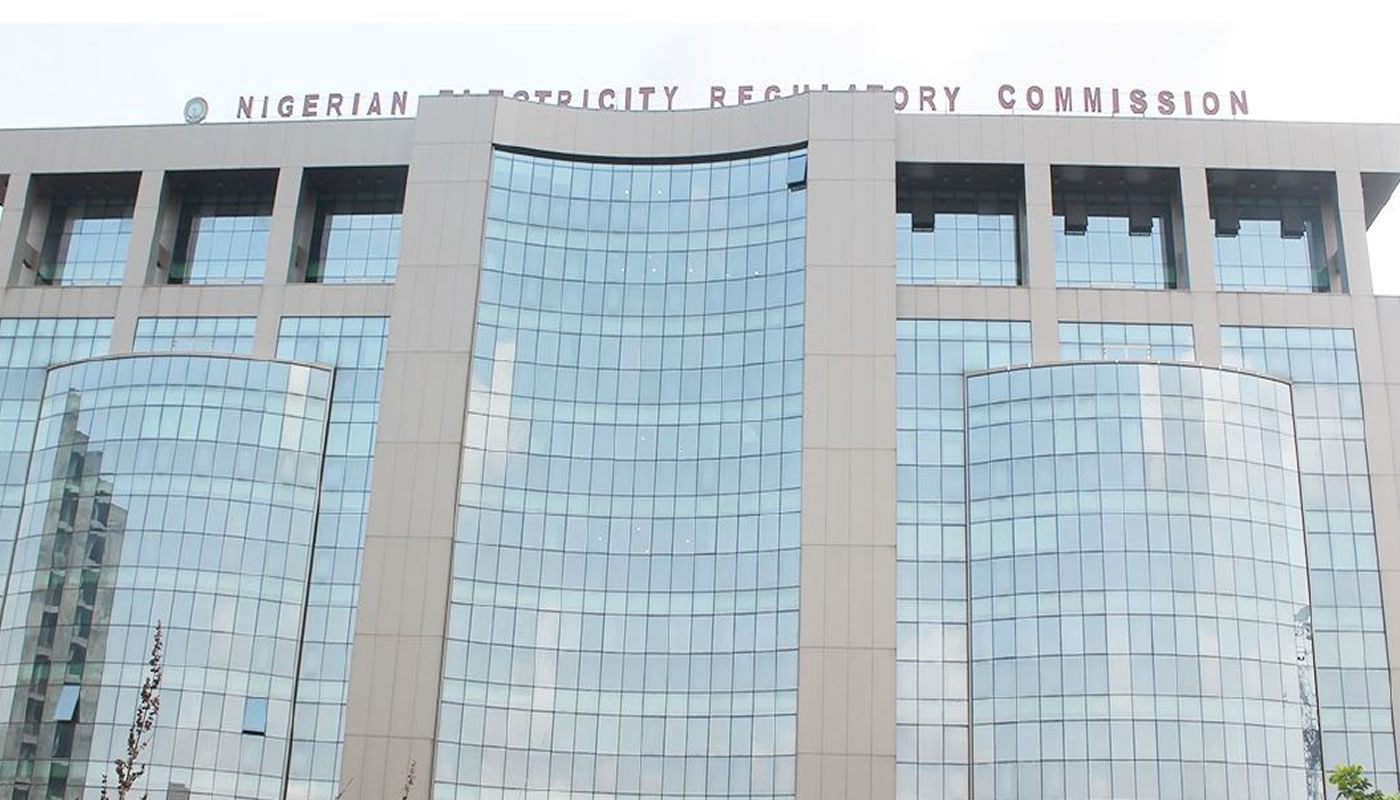
Data released by the Nigerian Electricity Regulatory Commission shows that the 11 DisCos collected a total of N597.55bn between January and March 2026. Monthly collections stood at N204.74bn in January, N196.68bn in February and N196.13bn in March—an average of about N199.18bn per month.
Despite the strong revenue figures, the reports reveal ongoing inefficiencies in billing and collections across the sector. In January, DisCos billed customers N268.20bn but recovered only N204.74bn, leaving a shortfall of N63.46bn. Billing efficiency for the month was 79.72 per cent, while collection efficiency stood at 76.34 per cent.
Performance improved slightly in February, with total billings of N242.29bn and collections of N196.68bn, resulting in N45.61bn in unpaid bills. Billing efficiency rose to 87.44 per cent, while collection efficiency reached 81.17 per cent.
In March, DisCos billed N246.43bn but collected N196.13bn, leaving N50.30bn uncollected. Billing and collection efficiencies were 83.89 per cent and 79.59 per cent, respectively.
The data also highlights disparities among operators. Eko and Ikeja DisCos ranked among the top performers in revenue recovery, with Eko DisCo recording over 100 per cent recovery efficiency in February. On the other hand, Kaduna and Jos DisCos lagged behind, with Kaduna posting a recovery efficiency of just 41.20 per cent during the same period.
The quarterly figures come amid widespread consumer dissatisfaction over rising tariffs and erratic electricity supply. During the period under review, Nigeria experienced a severe power crunch driven largely by gas supply shortages, which saw electricity generation drop from about 4,000 megawatts to below 2,000MW at certain points.
Operational data from the Nigerian Independent System Operator shows that thermal power plants require about 1,629.75 million standard cubic feet of gas per day to function optimally. However, as of February 23, 2026, actual supply was approximately 692.00 mmscf per day—less than 43 per cent of required capacity.
The shortfall forced several power plants to shut down, while the Transmission Company of Nigeria implemented load shedding to ration the limited electricity available to DisCos.
Industry stakeholders have continued to call for accelerated metering, stricter enforcement against energy theft and improved customer service to enhance revenue collection and sector efficiency.
While distribution companies have blamed outages on gas constraints, some consumers report slight improvements in electricity supply in recent weeks. Nonetheless, infrastructure gaps, liquidity challenges and inefficiencies in the value chain remain major obstacles to stable power delivery in the country.

- UBA secures interim asset freeze in $242m petroleum cargo dispute - October 23, 2026
- Lagos Free Zone awards N2.7m scholarships to 23 students - October 23, 2026
- UBA seeks jail for nine WEMPCO directors - October 23, 2026