The number of internally displaced persons (IDPs) in Nigeria’s Northwest has climbed to nearly 800,000, following a sharp rise in violence across the region, according to new data.
Figures from the United Nations High Commissioner for Refugees (UNHCR) indicate that the IDP population in the zone rose by 143,189 people within six months—a 22 per cent increase. The total stood at 793,534 in May 2026, up from 650,345 recorded in December 2025.
The data, published in the UNHCR Nigeria Forcibly Displaced Populations dashboard, was compiled in collaboration with the Federal Government through the National Commission for Refugees Migrants and Internally Displaced Persons. It draws on biometric registration, field assessments and contributions from agencies such as the Nigeria Immigration Service and the International Organization for Migration.
The surge was largely driven by a dramatic increase in displacement in Sokoto State, where the number of IDPs more than doubled within a short period. The state’s displaced population jumped from 88,562 in February 2026 to 181,526 in March, representing a 105 per cent rise.
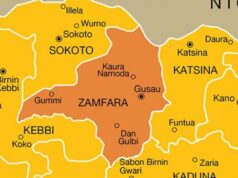
Zamfara State also recorded a significant increase, with its IDP population growing by 74,648 to reach 279,224—a 36.5 per cent rise. Together, Sokoto and Zamfara account for the bulk of the increase in the region.
Nationwide, Nigeria’s displaced population stood at 3,711,314 as of May 2026, representing about 3.5 per cent of the global total of 117 million forcibly displaced persons.
Persistent banditry and communal clashes in Katsina, Kebbi, Sokoto and Zamfara states have disrupted farming activities, markets and access to basic services, forcing nearly 1.4 million people from their homes. About 80 per cent of those displaced are currently living within host communities rather than formal camps.
Despite the general upward trend, Katsina State recorded a decline in displacement figures. The number of IDPs there dropped by 29,827—from 235,898 to 206,071—representing a 12.6 per cent decrease. In Kaduna State, however, displacement rose slightly by 4,653, bringing the total to 115,466.
Cross-border displacement also increased, with the number of Nigerian refugees from the Northwest in neighbouring Niger Republic rising from 258,359 in December 2025 to 268,967 in May 2026.
The worsening humanitarian situation follows a surge in violent attacks across the region. In the first half of 2025 alone, at least 2,266 people were killed by insurgents and bandits—exceeding the total fatalities recorded throughout 2024. Over a two-year period under President Bola Ahmed Tinubu’s administration, more than 10,000 people have reportedly lost their lives in attacks across several states.
Security concerns intensified further with the emergence of a new armed group, Lakurawa, which operates across borders linking Nigeria, Niger and Mali. The group has been linked to deadly attacks, including a July 2025 raid on Kwallajiya community in Sokoto State that left several residents dead.
More recently, bandits launched coordinated attacks on communities in Zamfara State in April 2026, targeting areas in Bukkuyum and Tsafe local government areas.
In response, the Federal Government, in partnership with the Northwest Governors’ Forum and with support from the United Nations Development Programme, has begun implementing state-level action plans aimed at addressing displacement and providing durable solutions, particularly in Katsina and Zamfara.
The IOM has also expanded its humanitarian operations beyond the Northeast to include parts of the Northwest, focusing on underserved communities.
In his third anniversary address on May 29, President Tinubu acknowledged ongoing security challenges but maintained that progress was being made. He assured Nigerians that security forces were intensifying operations against criminal groups and pledged that the government would continue efforts to restore safety and stability across affected areas.

- 85-year-old woman brutalised over witchcraft accusation in Zamfara - September 4, 2026
- Ajayi makes history with Diamond League 100m bronze - September 4, 2026
- Economic hardship driving youths to sell kidneys — Atiku - September 4, 2026