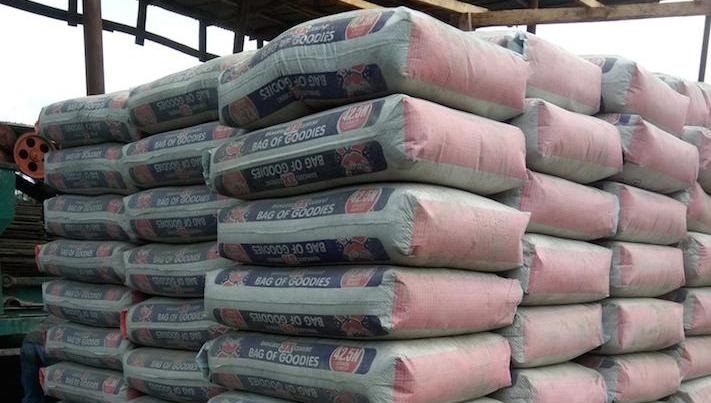

Consumers and builders across several states in Nigeria are grappling with fresh increases in cement prices, with a 50kg bag now selling between N10,500 and N11,000 in many markets, intensifying pressure on construction costs and housing affordability.
Market surveys across Kwara, Abuja, Kano, Kaduna and Jigawa indicate the price hike has become widespread, affecting major brands including Dangote Cement, BUA Cement and Lafarge Africa, as well as newer brands such as Mangal Cement.
In Ilorin, Kwara State, cement that sold for between N9,300 and N9,700 last month now averages N10,500 to N10,700 depending on brand and location.
Dealers said Dangote Cement has risen from about N9,500 to roughly N10,500, while BUA Cement and Lafarge products are now selling within the N10,600 to N10,700 range.
Mangal Cement, previously the most affordable option, now sells from about N10,500.
Traders attribute the increase to supply chain pressures, transportation costs and higher production expenses. However, many consumers say the explanations offer little relief as project budgets continue to stretch.
In Abuja, surveys in building material hubs such as Utako show BUA cement selling for as high as N11,200 in some locations, while Dangote Cement ranges between N10,800 and N11,000. Bulk buyers purchasing truckloads can still access lower prices of around N10,500 per bag, but such discounts remain out of reach for many small-scale builders.
Dealers said logistics, loading charges and distributor margins widen the gap between factory prices and retail costs. In Lagos, sellers blamed middlemen for arbitrary markups, arguing manufacturers’ prices have not changed significantly. Some retailers said they rely on dealers rather than buying directly from producers, which contributes to higher final prices.
The trend is also evident in northern markets. In Kano, dealers say the benchmark supply price has shifted to N10,500 and above, pushing retail prices close to N11,000 after transport and overheads. Block makers report immediate ripple effects, with the price of a nine-inch block rising from about N750 to N800 due to higher input costs.
Checks in Kaduna show cement selling between N10,800 and N10,900, while in Jigawa some outlets now charge as much as N11,000 per bag. In Zaria, limited relief exists as certain brands remain around N10,200.
The increase has triggered debate over cross-border pricing after some dealers claimed cement sells cheaper in neighbouring countries when converted to naira. A Nigerian resident in Niamey, Niger Republic, said BUA cement costs roughly the equivalent of N7,500 per bag there, although analysts caution that export pricing often reflects differences in taxes, logistics and market strategy.
Industry stakeholders warn that rising cement costs could slow construction activity and worsen the housing deficit. A modest residential project typically requires hundreds of bags, meaning an additional N1,000 per bag can add hundreds of thousands of naira to total costs.
Former President of the Nigerian Institute of Builders, Kunle Awobodu, described the surge as harmful to the economy and construction sector, urging government intervention and deeper engagement with manufacturers to address pricing pressures despite Nigeria’s abundant limestone resources.
Some industry sources said the increase is linked to imported production inputs priced in dollars, noting that exchange rate improvements could eventually moderate prices.
For now, N10,500 has effectively become the new floor price nationwide, with N11,000 increasingly common, leaving builders and households struggling to plan projects in an environment of persistent material cost volatility.