
Kaduna State Governor Uba Sani has disclosed that the objective of his administration is to make Kaduna State the agricultural and livestock capital of Northern Nigeria.
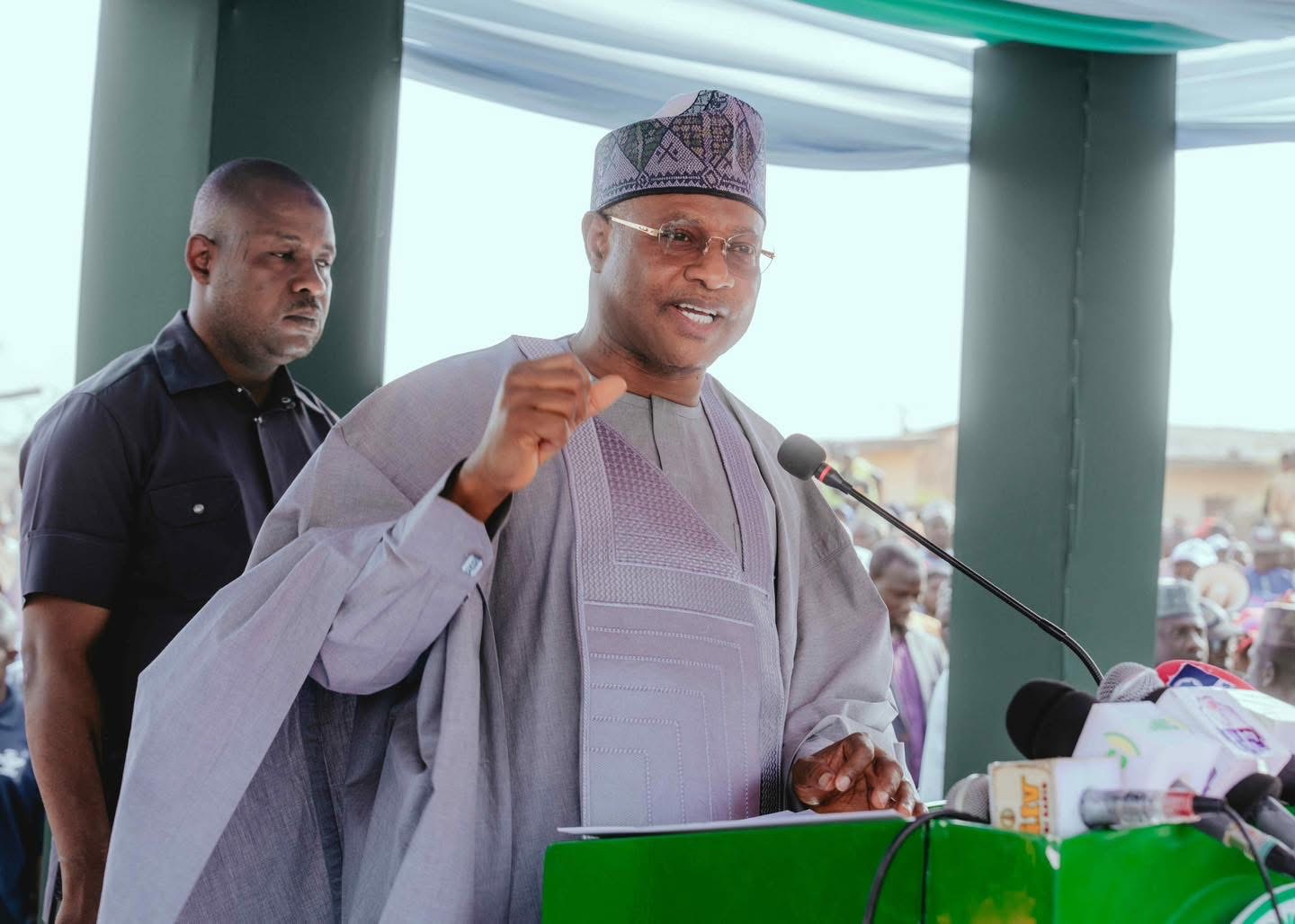
Sani made this known at the flag off of the distribution of livestock intervention to 5,000 cooperatives in Kaduna on Thursday, March 12, 2026.
500 solar-powered freezers complete with panels, inverters, and batteries; 300 feed millers; 3,000 bags of poultry feed; and 200,000 day-old chicks were distributed to organised farmer cooperatives across 23 Local Government Areas of the state.
The governor stated that Kaduna State will be a centre of innovation, productivity, and inclusive growth in agriculture.
Sani, who was represented by his deputy, Dr Hadiza Balarabe, said the government will continue to build a Kaduna State that feeds itself, supports the nation, and exports to the world, with the support of the people.
Sani said he envisages a Kaduna State “that stands tall as the heart of Nigeria’s agricultural renaissance.”
He added: “Kaduna State has made deliberate investments to strengthen value chains, expand access to modern technology, and empower farmers to compete, produce, and thrive.
“In this phase, 5,000 farmers, grouped into cooperatives of ten members each, will directly benefit. These assets will boost productivity, reduce losses, improve quality, and expand income opportunities — especially for women and youth who drive much of Kaduna’s livestock value chain.”
The governor noted that Kaduna State has earlier recorded historic milestones in livestock development, saying: “We have rehabilitated abattoirs and slaughter slabs, constructed veterinary clinics and boreholes in pastoral communities, and deployed mobile veterinary teams to ensure timely animal healthcare.
“Our vaccination campaigns have protected over 850,000 cattle, 250,000 sheep and goats, 250,000 poultry, and 5,000 dogs from transboundary diseases — safeguarding both livelihoods and public health.”
Sani added that his administration has distributed 100 residue crushers and 50 fodder choppers to cooperatives and sedentary pastoralist groups to convert crop residues into livestock feed, to enhance feed availability.
He said: “Kaduna State has also established demonstration fields for pasture production and distributed mineral licks, molasses, and feed supplements to improve livestock nutrition and weight gain.
“In pastoral settlements, we have provided solar-powered boreholes with livestock drinking troughs, guaranteeing year-round water access and reducing seasonal migration pressures.
“We have provided milking cans and tricycles to help farmers efficiently transport their milk to collection centres.
“This intervention reduces post-harvest losses, improves milk quality, and ensures better income for dairy farmers by linking them to stable markets.”
Governor Sani stated that the livestock programmes complement the broader agricultural reforms of his administration.
Sani listed the Tallafin Noma (A Koma Gona) initiative, which empowered 69,000 crop farmers with seeds, fertilizer, and mechanisation tools; the Dry and Wet Season Agricultural Empowerment Programmes, which provided solar-powered irrigation pumps and inputs for all-year cultivation, targeting almost a million smallholder farmers.
“We are also improving farm-to-market connectivity by building new rural roads across all zones, reducing post-harvest losses and transportation costs for both crop and livestock farmers,” he added.
According to him, Kaduna State is not only boosting livestock productivity but also laying the foundation for large-scale processing and export under the Special Agro-Industrial Processing Zone (SAPZ) and the Agricultural Quality Assurance Centre (AQAC).
These projects will ensure that Kaduna’s livestock and dairy products meet international standards and access premium markets within the African Continental Free Trade Area (AfCFTA),” Sani stated.
Describing farmers as the backbone of the state’s rural economy, the governor advised them to “use these assets wisely and collectively. Maintain them, expand their impact, and let them become the tools of your prosperity.”

- MTN invests N1.62trn in network infrastructure as profit hits N707.5bn in 6 months - August 7, 2026
- IGP: Police have no political interest in Osun election - August 7, 2026
- Otedola raises First HoldCo stake to 26.1% with N18.1bn share purchase - August 7, 2026