By MOHAMMED ABUBAKAR
A respected voice has finally said the quiet part out loud.
No more dancing around it. No more bureaucratic fog. Professor Okey Ikechukwu, Executive Director of the Development Specs Academy, sat for an interview on Arise News and delivered a prescription as blunt as a hammer. Suspend the Amukpe-Escravos pipeline sale process. Terminate it completely. Start over.
His warning is simple. Proceeding on current terms means gifting away a vital national asset at a knockdown price. And the damage to governance and public trust will be neither small nor silent.
He is right. And the candour is a breath of fresh air in a room that has been stuffy for too long.
What should be clear to everyone at this stage is that this is no longer a simple commercial matter which can be massaged back to life with a procedural sleight of hand.
It has become a test. One of those quiet examinations Nigeria periodically faces. Can the country treat strategic assets with the seriousness they deserve? Or will old habits of convenience win again?
The facts, stripped of ornamentation, are troubling enough.
A transaction formally terminated in October 2024 is showing remarkable powers of resurrection. Terminated after missed payments. After breached conditions. After creative attempts to shift major risks.
The original price tag hovered around $243 million.
Independent valuations conducted in 2025 now place the same 40 per cent stake somewhere between $544 million and $641 million.
That is not a minor market adjustment. That is nearly $300 million walking out the door in broad daylight. And no one is chasing after it.
The pipeline itself refuses to play the role of distressed asset.
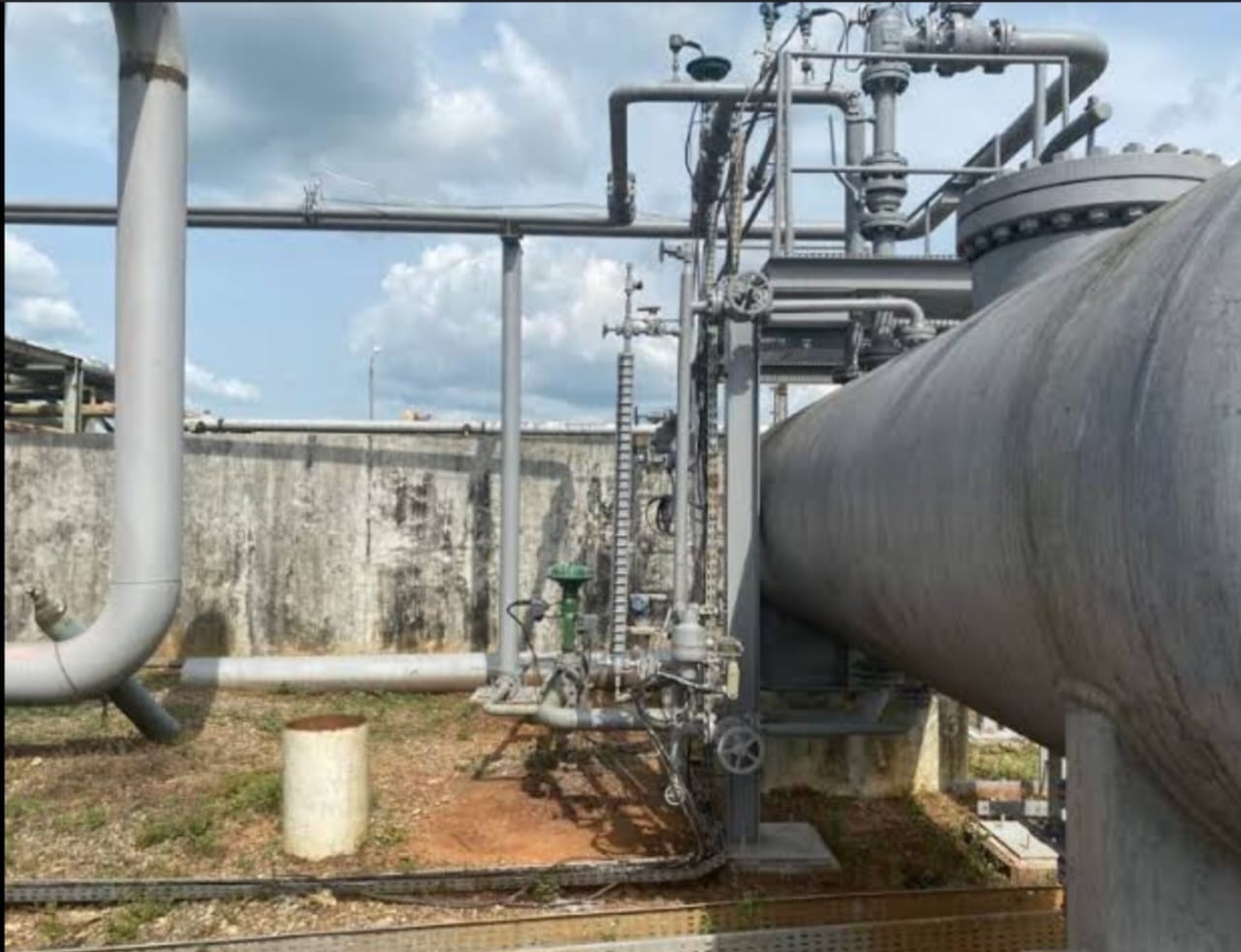
With a capacity of 160,000 barrels per day and uptime consistently above 95 per cent, it has quietly become one of the more reliable evacuation routes in the Niger Delta. In a neighbourhood where theft and sabotage have turned other pipelines into expensive liabilities, this one keeps working.
Financed by Nigerian banks and Afreximbank, with lenders still very much exposed, it continues to generate revenue. Day after day. Barrel after barrel.
Selling a performing, revenue-positive national asset at yesterday’s price is not prudent divestment. Let us call it what it is: value destruction, plain and simple.
To his credit, Professor Ikechukwu’s analogy lands with surgical precision.
You do not revive a failed private land deal years later at the old price and expect to be celebrated for commercial brilliance. The seller would be rightly ridiculed. The buyer would be laughed out of the room.
When the asset in question belongs to the Nigerian people, the stakes move from embarrassing to alarming. From a bad joke to a national wound.
Nigeria’s GDP rises by 3.89% in Q1 2026
Lenders raised legitimate concerns right from the beginning. A proper termination should have triggered a clean, transparent restart anchored in current realities. That is how adults handle failed transactions.
Instead, fragments of the collapsed deal linger like unwelcome guests who refuse to accept that the party is over. They hover. They whisper. They wait for attention to drift elsewhere.
In Nigeria, where institutional memory is long and public suspicion is well-earned, such persistence inevitably raises eyebrows. And blood pressures.
The broader signal this sends should worry anyone who cares about the credibility of ongoing oil and gas reforms.
The sector is attempting to project transparency, competition, and seriousness to investors. That is the official story. Yet episodes like this risk sending the opposite message. That rules can become remarkably elastic when the right interests align. That yesterday’s failed price can somehow become today’s acceptable benchmark.
Nigerians have seen this script before. They know the lines. They also know it never ends in their favour.
Too often, strategic assets are handled with less care than a private citizen would extend to his own property. A man selling his car checks current market value. He does not accept last year’s offer from a buyer who could not pay. But somehow, when the asset belongs to the nation, the standards loosen.
Local investors notice. Foreign investors notice. Lenders notice. And the average citizen, already weary of watching national wealth evaporate through mysterious processes, notices too.
Nigeria is not in such desperate straits that it must offload critical infrastructure at fire-sale prices.
Let that be exceedingly clear. The country has problems, yes. But it is not standing at a pawn shop counter, bargaining away the kitchen silverware for pocket change.
If divestment must happen, then let it happen properly. At current market value. Through open and competitive bidding. Through a process capable of commanding both respect and optimal returns.
Not through the backdoor. Not at a discount. Not with the ghosts of a failed deal still rattling their chains.
The responsible path is clear and urgent.
Conclusively close every remnant of the previous compromised process. Leave no loose ends. No ambiguity. No door slightly ajar for a second resurrection.
Commission a fresh, independent valuation that reflects today’s operational strength and market conditions. Not last year’s numbers. Not the numbers that favour a particular outcome. The numbers that reflect what the asset is actually worth.
Institute a new, transparent, and competitive process with clear rules and proper stakeholder alignment. Let everyone see how the game is played. Let the best bid win.
Place national interest and long-term value preservation above administrative convenience. That last one is the hardest. It always is.
Anything less simply confirms a damaging suspicion. The suspicion that due process in Nigeria is a flexible concept. Rigid for the weak. Remarkably accommodating for the well-connected.
That suspicion has cost the country dearly in the past. It will cost it again if left unchecked.
Professor Okey Ikechukwu has sounded the necessary alarm. The authorities would do well to heed it before another avoidable controversy further erodes confidence in how we manage assets that ultimately belong to all Nigerians.
Because this is no longer just about one pipeline. It is about whether the phrases “due process,” “national interest,” and “value for money” still carry any real weight when serious strategic assets are on the table. Or whether they have become decorative phrases, rolled out for press statements and abandoned when the real decisions are made.
In the stewardship of critical infrastructure, failed processes should not enjoy endless resurrections. Especially not at the expense of the nation.
So, no more second chances. Not for this pipeline. And certainly not for the dangerous precedent it risks entrenching. It is time to reset the Amukpe-Escravos Pipeline sale process.
*Mohammed Abubakar, an energy sector analyst, writes from Abuja.

- 2027: Kaduna pensioners endorse Uba Sani for second term - October 6, 2026
- The human sacrifice at Minna shrine, By FUNKE EGBEMODE - September 23, 2026
- Uba Sani: Governing within the law, By MUSTAPHA MUSA - September 21, 2026