Oil prices advanced on Thursday, July 9, 2026, after the United States launched fresh airstrikes on Iran, escalating tensions in the Middle East and raising concerns over potential disruptions to crude exports through the Strait of Hormuz.
Brent crude futures increased by 86 cents, or 1.1 per cent, to $78.88 per barrel, while U.S. West Texas Intermediate (WTI) crude gained 85 cents, or 1.2 per cent, to $74.37 per barrel in early trading.
The gains followed a sharp rise in after-hours trading on Wednesday after the U.S. military confirmed a new round of strikes on Iranian military installations.

Earlier, both benchmarks had closed at their highest levels in more than two weeks after U.S. President Donald Trump threatened further military action against Tehran.
Analysts said the latest escalation has weakened expectations for diplomatic negotiations and renewed concerns about the security of global energy supplies.
ING analysts said the fresh strikes have undermined confidence in the already fragile ceasefire, prompting traders to factor in a higher geopolitical risk premium.
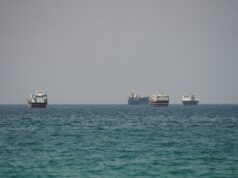
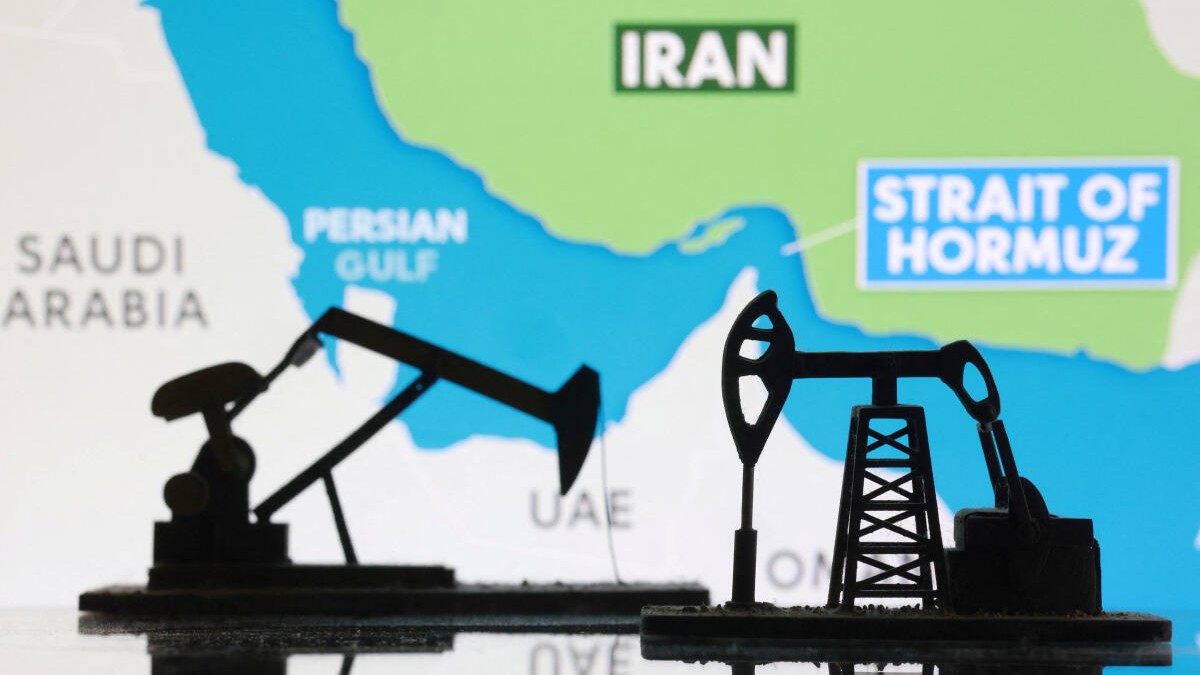
The U.S. military said the operation was aimed at protecting freedom of navigation through the Strait of Hormuz, a strategic shipping route that carries nearly 20 per cent of global oil and liquefied natural gas supplies.
ESSO invests $300m in deepwater project to add 40,000bpd to Nigeria’s oil output
The U.S. Central Command disclosed that about 90 Iranian military targets were hit, including air defence systems, missile and drone storage facilities, coastal surveillance assets, naval capabilities and logistics infrastructure.
The renewed military action came shortly after Trump declared that an interim agreement intended to halt the conflict had collapsed.
Iran responded by announcing attacks on U.S. military facilities in Bahrain and Kuwait, describing the strikes as retaliation for previous American attacks on its infrastructure.
The Strait of Hormuz remains a focal point of the conflict because of its strategic importance to global energy markets. Any disruption to shipping through the narrow waterway could tighten global oil supplies and drive prices higher.
Market observers also warned that shipping companies may become increasingly reluctant to transit the route as security risks continue to rise, potentially adding further pressure to energy markets.

- ‘Nigerians need lasting relief’: Atiku condemns FG’s 30-day petrol discount - October 8, 2026
- Court dismisses El-Rufai’s suit to stop ICPC, others from freezing assets - October 8, 2026
- FG announces petrol discount for one month - October 8, 2026