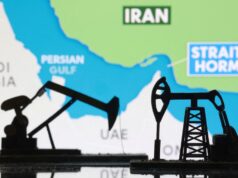


Oil prices eased on Friday, July 10, 2026, but remained on track for weekly gains as renewed United States-Iran fighting disrupted shipping in the Strait of Hormuz.
Brent futures were down 68 cents, or 0.9%, at $75.62 a barrel by 0817 GMT, while U.S. West Texas Intermediate (WTI) crude dropped 64 cents, or 0.9%, to $71.44.
For the week, Brent was set for a gain of about 5% and WTI was on track for an increase of about 4%.
“Prices have backed off the midweek highs, but there is still a substantial risk premium as Hormuz transits are back to a near-standstill with no clear signs of when normal reopening might resume,” said Vandana Hari at oil market analysis provider Vanda Insights.
Iranian armed forces launched attacks on United States military infrastructure in Gulf states on Thursday after U.S. strikes on Iran’s southern coastal and eastern provinces, further straining a creaking ceasefire.
Stock market transacts 1.66bn shares as investors gain N962bn
Iranian media also reported multiple explosions across southern Iran. The area included Bushehr, where one of the country’s nuclear plants is located.
The recent escalation in hostilities between the U.S. and Iran could upend the International Energy Agency’s forecast of a significant oil market surplus next year, it said on Friday.
The developments also have delayed a full reopening of the Strait of Hormuz, which carried about 20% of daily global oil and gas supplies before the start of the war on February 28.
Tanker traffic through the strait was at a near-standstill on Thursday, ship-tracking data showed, as vessel owners assessed the risk after Iran hit a Qatari LNG ship exiting the waterway near Oman to trigger the latest strikes.

- MLS: Messi nets brace as Inter Miami win in Atlanta - October 18, 2026
- Troops kill 2 kidnappers, recover N10m ransom in Kano - October 18, 2026
- Oyebanji re-appoints SSG, CPS, chief of staff - October 17, 2026