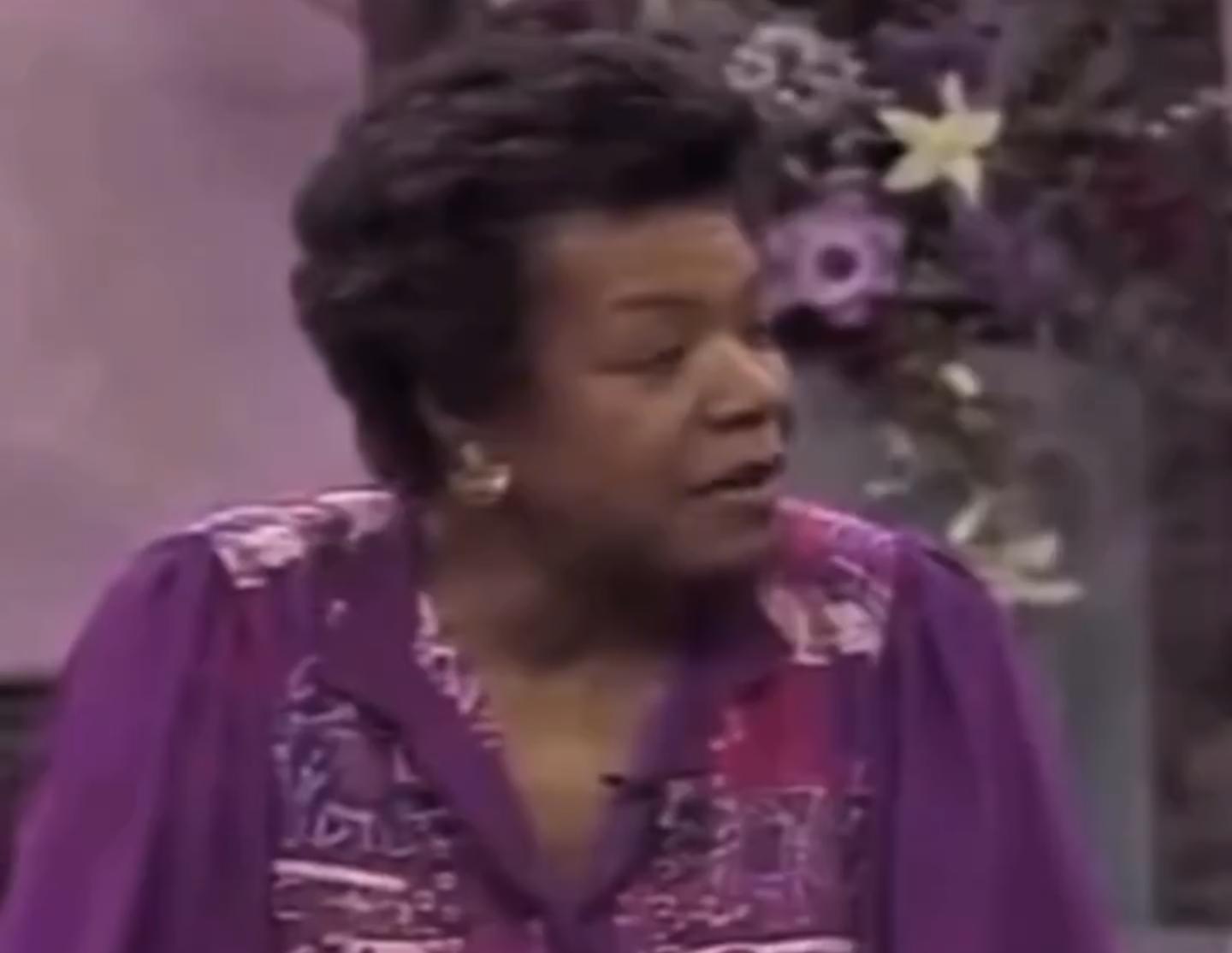
A throwback video of the late American author and civil rights activist Maya Angelou correcting a young woman for addressing her by her first name has resurfaced online, drawing renewed attention to the debate over respect, age and workplace culture.
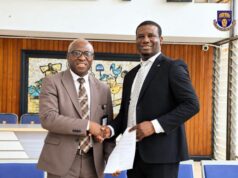
The video comes shortly after UBA Group Chairman Tony Elumelu sparked a similar conversation when he corrected a young graduate who addressed him as “Tony” during the bank’s Graduate Management Accelerated Programme graduation ceremony.
In the resurfaced clip, a young woman addresses Angelou by her first name before asking a question. Angelou responds by explaining that she should be addressed as “Ms Angelou” rather than “Maya.”

“I’m not Maya. I’m 62 years old. I’ve lived so long and tried so hard that a young woman like you, or any other, has no license to come up to me and call me by my first name,” she says in the video.
Angelou further explains that her age and experience placed her in a position similar to that of a mother, aunt, teacher or professor to younger people.
The video, reportedly from a talk-show appearance in the early 1990s, resurfaced online in 2019 and sparked widespread debate about generational differences and how younger people should address elders.
However, Angelou’s message in the clip went beyond correcting the young woman.
She also challenged another woman who appeared to use the incident to criticise younger people generally, stressing that older generations had a responsibility to teach younger people appropriate behaviour rather than simply condemn them.
Angelou later apologised to the young woman for being too sharp in her initial correction, adding another dimension to the conversation about how elders should guide younger generations.
The old video has gained renewed relevance following Elumelu’s recent exchange with a young graduate at the UBA event.
During the interaction, the graduate greeted him as “Good morning, Tony,” prompting Elumelu to correct her.
“Okay. No, you won’t call me Tony. You’ll call me Mr Elumelu or TOE,” he said, adding that he did not subscribe to what he described as “Oyinbo life.”
The graduate subsequently addressed him as “Mr Elumelu” and continued with her question.
Elumelu’s correction generated mixed reactions, with some Nigerians arguing that formal settings require appropriate titles, while others noted that first-name communication is common in many modern corporate environments.
The resurfaced Angelou clip has similarly revived the question of whether addressing older or senior figures by their first names is a sign of familiarity, changing social norms or simply a breach of traditional etiquette.
For some observers, the two incidents highlight a generational shift in workplace and social communication, while others see them as reminders that respect and familiarity do not necessarily mean the same thing.
The Angelou clip, however, offers a broader lesson: while younger people may need guidance on established social norms, older generations also have a role in teaching those norms rather than assuming that younger people already know them.

- APC mocks Obi over claim of victory without evidence - October 9, 2026
- Nigerian Army graduates new Special Forces battalion to tackle terrorism - October 9, 2026
- Court remands terrorist over 170 AK-47 rounds in Kuje prison - October 9, 2026