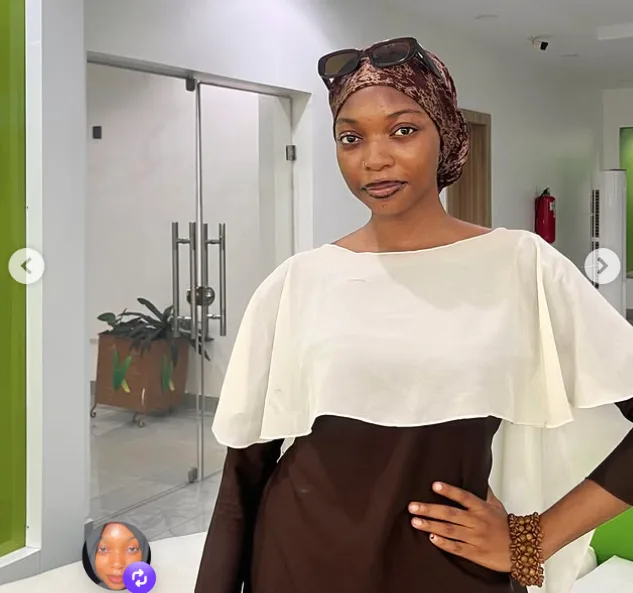
A Nigerian woman born without fingerprints has recounted years of difficulties with biometric identification systems, including during JAMB examinations, the National Youth Service Corps programme and banking transactions.
The woman, who uses the Instagram handle J for Jidds, shared her experience in a video posted on Saturday, saying she first became aware of the challenge in 2017 when she attempted to register for the Joint Admissions and Matriculation Board examination.
She said officials at the registration centre struggled to capture her fingerprints, forcing her to spend several hours at the centre with her father while other candidates completed their registration.
According to her, officials tried different methods to make her fingerprints detectable, including sand, spirit, methylated spirit, chalk and watermelon.
She said she eventually had to scrub her hand against a stone before she was able to complete the registration.
The problem continued during the examination, she said, explaining that she sometimes managed to authenticate her fingerprint when entering but could not do so when leaving.
The woman said similar difficulties followed her into other areas of life where biometric verification is required.
“Living in Nigeria without fingerprints has been terrible, honestly. From NYSC to JAMB to the bank, to any other thing that needs biometrics,” she said.
During her NYSC programme, she said she had to use part of her foot for biometric verification because the ridges on her toes were also faint.
She also spoke about misconceptions surrounding her condition, saying some people had wrongly accused her of being a ritualist.
The woman identified her condition as adermatoglyphia, a rare condition characterised by the absence or near absence of friction ridges on the fingers, toes, palms and soles.
The condition can make conventional fingerprint scanners ineffective, creating challenges for people who rely on fingerprint-based identification systems.
Her experience has drawn responses from other social media users who said they had faced similar problems with biometric verification at embassies, banks and during NYSC.
A dermatologist, Dr Folakemi Cole-Adeife, advised people with the condition to seek confirmation from a consultant dermatologist at a teaching hospital.
Cole-Adeife said those medically confirmed to have adermatoglyphia could request documentation from the hospital to support exemption from fingerprint-based biometric requirements.
She said she had previously issued such exemption letters for people with the condition, including for submission to JAMB and other government agencies.
The woman also questioned why institutions that require biometric identification do not have clearer alternatives for people whose medical conditions prevent fingerprint authentication.

- FG withdraws charges against fake PFIPC DG, Adeyemi - October 12, 2026
- Buratai to critics: I never touched $1bn arms fund - October 12, 2026
- FULL List: 68 lawyers sworn in as SAN by CJN - October 12, 2026