


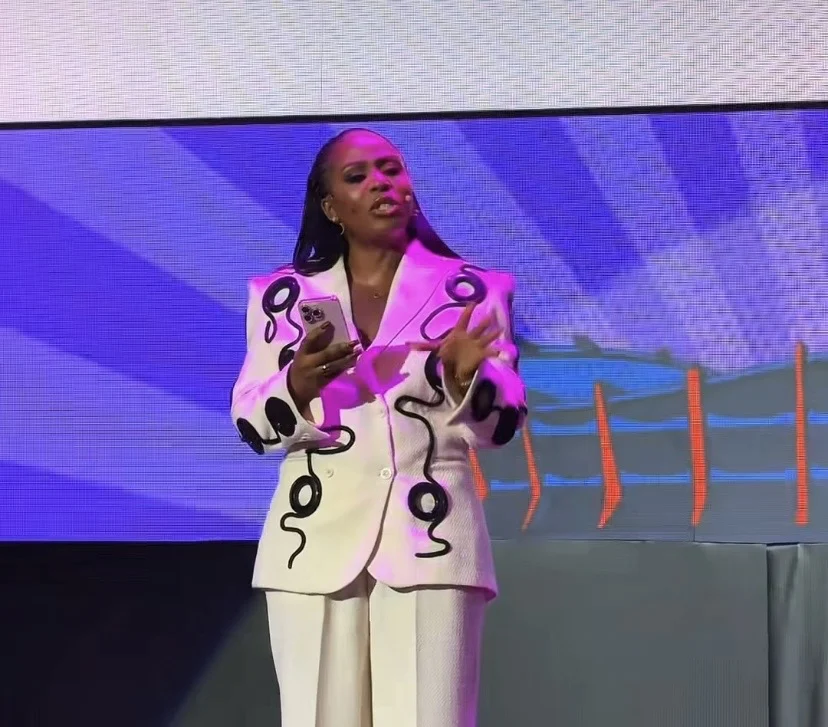
Nollywood actors can earn additional income from successful films through profit-sharing agreements negotiated by their talent managers, media entrepreneur Toyosi Etim-Effiong has said.
She explained that actors could receive extra payments when films cross agreed commercial targets, allowing them to benefit from a movie’s success beyond the fees initially paid for their roles.
Etim-Effiong, founder and Chief Executive Officer of That Good Media, spoke in an interview after a session at Moonshot 2026, organised by TechCabal in Lagos on Thursday.
The session, titled ‘Africa’s creative economy: The numbers and the next bet’, examined business opportunities and growth prospects in the continent’s creative industry.
She said some industry professionals were already negotiating profit-sharing arrangements for actors, but the practice was not yet widespread in Nollywood.
“It is a proper and a solid manager that will negotiate back-end deals for films, such that, okay, if a film makes over a billion naira in the market, I get X amount extra on top of what I’ve been paid,” she said.
Nollywood actor Francis Duru dies at 57 after brief illness
Etim-Effiong called for such agreements to become more common, arguing that they would give actors a greater share in the commercial success of their work.
She drew comparisons with the Nigerian music industry, where royalty arrangements have created additional revenue streams for musicians.
According to her, the music industry developed these structures through the efforts of professionals who worked towards building a more standardised system for artists to earn from their work.
“The music industry wasn’t always like this. It was people who took it upon themselves to make a proper global standardised industry from this music industry that now got singers to start getting royalties,” she said.
The talent manager said Nollywood needed similar professional structures to help actors and other creatives turn their skills into sustainable careers.
She noted that while considerable attention had been devoted to training actors, singers, videographers and cinematographers, there was insufficient investment in professionals who could negotiate opportunities and generate income from their talents.
“We have so many talents, we’ve paid so much attention in training the actors and the singers and the videographers and cinematographers, but nobody is training the professionals who will convert what they are doing to actual money,” she said.
Etim-Effiong, who also founded and directs TGM Academy, an institution that trains talent managers, said the industry needed more professionals capable of representing creatives and negotiating better commercial deals on their behalf.
She added that talent management required the same commitment as running a business, advising managers to represent no more than three creatives at a time, depending on their workload.
“When you take up a talent as a manager, it’s like you are working with a start-up. It’s like a business,” she said.
Moonshot 2026 brought together stakeholders from Africa’s technology and creative industries to explore innovation, investment and business opportunities.

- Actors can earn beyond movie fees through profit-sharing deals — Etim-Effiong - October 30, 2026
- Kaduna NBA chairman loses daughter - October 30, 2026
- Mohbad’s family demands US lab identity, seeks DNA test postponement - October 30, 2026