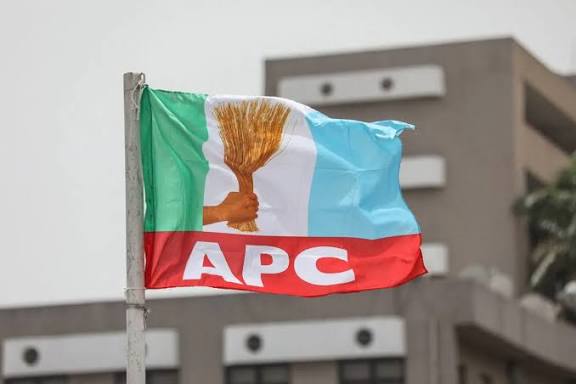
Fresh cracks have emerged within the ruling All Progressives Congress ahead of the 2027 general elections as controversies surrounding the party’s pre-primary screening exercises continue to trigger protests, defections, petitions and threats of legal action across several states.
The crisis has shown growing reliance on consensus arrangements and the disqualification of hundreds of aspirants have intensified internal tensions within the party, with stakeholders warning that unresolved grievances could weaken the APC before the primaries.
The screening exercise, designed to streamline the number of aspirants contesting for various elective positions, has instead exposed deep divisions among party leaders, aspirants and grassroots supporters in states including Kano, Taraba, Kaduna, Rivers, Jigawa, Benue, Plateau, Ebonyi and Kogi.
Many of the aggrieved aspirants accused party leaders of manipulating the process to favour preferred candidates and political loyalists under the guise of consensus arrangements.
In several states, the controversies have already sparked protests and defections, while others are preparing petitions and court cases to challenge their disqualification.
In Jigawa State, former Speaker of the State House of Assembly, Isah Idris, resigned from the APC after failing to secure clearance during the screening exercise.
In his resignation letter, Idris lamented what he described as the party’s departure from its founding ideals before defecting to the Peoples Democratic Party.
Similarly, tensions rose in Ebonyi after senatorial aspirant, Christian Nwali, resigned from the APC over the outcome of the consensus arrangement adopted by the state chapter.
In Kano State, protests followed the endorsement of former governor, Ibrahim Shekarau, as six aspirants stepped down in his favour after a reconciliation meeting brokered by party leaders.
However, some groups faulted the arrangement, arguing that loyal party members were being sidelined for political convenience.
The situation also unsettled reconciliation efforts reportedly championed by Governor Abba Yusuf after key stakeholders allegedly boycotted peace meetings convened to calm tensions.
In Taraba State, the endorsement of Senator Shuaibu Isa Lau generated backlash from youth groups and party stakeholders who accused the lawmaker of poor representation and lacking visible achievements.
The discontent was echoed in Benue and Kogi states, where supporters of disqualified aspirants accused the party of violating zoning agreements and restricting access to nomination forms.
In Rivers State, the scale of the screening fallout became more evident after the APC screening appeal panel confirmed that 65 aspirants were disqualified, while only 33 were cleared ahead of the primaries.
Chairman of the appeal panel, Abdul Mahmud, disclosed that several complaints centred on lack of communication, with some aspirants claiming they only discovered their disqualification through social media.
Mahmud advised the party to improve transparency in future exercises by formally notifying aspirants of screening outcomes and reasons for disqualification.
In Kaduna State, opposition to consensus candidacies also intensified, particularly over alleged moves to adopt former lawmaker, Shehu Sani, as a consensus candidate for Kaduna Central Senatorial District.
The arrangement was rejected by former Speaker Yusuf Zailani and activist Yarima Shettima, who warned against what they described as political manipulation.
Meanwhile, uncertainty continued in Plateau, Imo, Abia, Gombe and Zamfara states as aspirants awaited the official release of screening results.
Some aspirants in Plateau reportedly claimed they were verbally informed of their disqualification without receiving formal communication from the party.
Political analysts warned that the growing disputes reflect the APC’s struggle to balance internal democracy with the increasing push for consensus candidacies ahead of the 2027 elections.
They noted that while consensus arrangements may help reduce costly and divisive primaries, attempts to impose candidates without broad consultation risk fuelling defections, anti-party activities and voter apathy.
Despite ongoing reconciliation efforts in many states, concerns remain that unresolved grievances could further deepen factional divisions within the ruling party ahead of the primaries.

- APC mocks Obi over claim of victory without evidence - October 9, 2026
- Nigerian Army graduates new Special Forces battalion to tackle terrorism - October 9, 2026
- Court remands terrorist over 170 AK-47 rounds in Kuje prison - October 9, 2026