


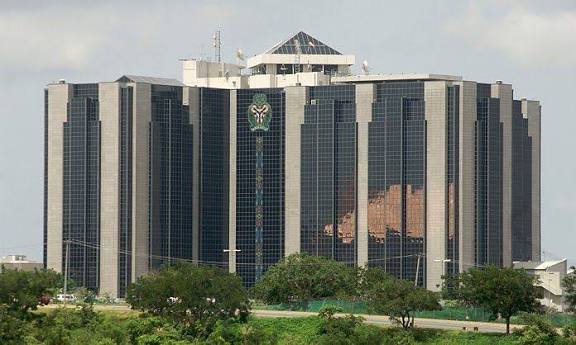
Non-performing loans (NPLs) in Nigeria’s banking sector rose to 8.03 per cent in January 2026, reflecting mounting pressure on lenders months after the Central Bank of Nigeria withdrew regulatory forbearance on certain credit exposures.
Data from the apex bank’s January 2026 Economic Report showed the NPL ratio increased by 0.52 percentage points from 7.51 per cent in December 2025, remaining well above the regulatory benchmark of five per cent. The rise highlights a deterioration in asset quality, even as regulators maintain that the banking system is stable.
The increase follows the June 2025 directive requiring banks benefiting from regulatory reliefs—such as loan restructuring concessions and single obligor limit waivers—to comply fully with prudential guidelines. Affected banks were also instructed to suspend dividend payments, defer executive bonuses, and halt offshore investments to strengthen their capital positions.
Regulatory forbearance had allowed lenders to restructure loans impacted by the COVID-19 crisis without immediately classifying them as bad. However, with the withdrawal of these measures, many previously restructured loans have now been reclassified as non-performing, pushing the industry ratio above the acceptable threshold.
The report noted that the reclassification of such facilities exposed underlying credit weaknesses that had been masked by earlier relief measures. Analysts say the development signals a broader clean-up of bank balance sheets as institutions adjust to stricter regulatory standards.
To curb rising credit risks, the CBN has introduced several measures, including stricter enforcement of the Global Standing Instruction framework to improve loan recovery and discipline among borrowers.
In addition, the regulator has taken a tougher stance on insider lending. In February 2025, it ordered directors with non-performing insider-related loans to resign, while mandating banks to recover outstanding debts through collateral enforcement, including seizing shareholdings.
Further tightening credit conditions, the CBN in March 2026 barred large borrowers with non-performing loans from accessing new credit facilities or key banking services. The directive applies to individuals and companies whose exposures could significantly impact a bank’s capital base.
Despite the rise in bad loans, other financial indicators suggest resilience in the sector. The industry’s liquidity ratio improved to 63.38 per cent in January, well above the 30 per cent minimum requirement. Similarly, the capital adequacy ratio stood at 12.05 per cent, exceeding the 10 per cent regulatory floor, although slightly lower than the previous month.
The mixed performance underscores the challenges facing the sector: while liquidity and capital buffers remain strong, asset quality is under strain due to legacy loans, high interest rates, and the effects of currency volatility.
Members of the Monetary Policy Committee have also flagged rising NPLs as a growing concern. Officials warned that a sustained increase in bad loans could weaken banks’ balance sheets, disrupt credit flow to the real economy, and reduce the effectiveness of monetary policy.
Overall, the latest figures point to a banking system that remains stable but is under increasing scrutiny, as regulators focus on cleaning up loan books and reinforcing financial discipline in a post-forbearance environment.

- Wike to Rivers voters: Support Tinubu in 2027, don’t hand Nigeria to political gamblers - October 17, 2026
- Ogun hospital probes nursing student’s death amid oxygen denial - October 17, 2026
- Neto strikes twice as Chelsea sink Everton to break into top four - October 17, 2026