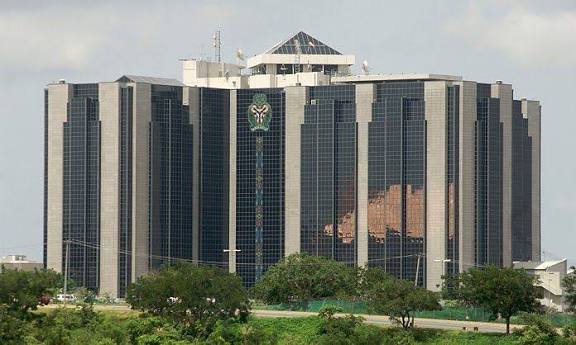
Nigeria’s formal diaspora remittance inflows rose to $947 million in July 2026, bringing the country within striking distance of the Central Bank of Nigeria’s $1 billion monthly target.
The latest figure represents a significant increase from the estimated $250 million monthly inflows recorded when the apex bank began its aggressive push to reform the remittance market.
CBN Governor Olayemi Cardoso set the $1 billion monthly target in 2024 as part of efforts to improve foreign exchange liquidity, strengthen financial inclusion and encourage Nigerians abroad to channel more funds through formal financial institutions.
At the time, the target appeared ambitious. Data published by the CBN showed that Nigeria recorded only $282.61 million in direct foreign exchange remittances during the first quarter of 2024.
The low formal inflows did not necessarily mean Nigerians in the diaspora were sending less money home. Rather, a substantial volume was believed to have been moving through informal channels, including individuals physically transporting foreign currency into Nigeria on behalf of others.
The CBN subsequently embarked on a series of regulatory and market reforms aimed at making official remittance channels more competitive, transparent and accessible.
The measures began producing results, with monthly inflows rising to about $600 million after the apex bank addressed some of the challenges confronting International Money Transfer Operators (IMTOs).
Cardoso said the central bank’s role was to remove obstacles preventing Nigerians abroad from using the formal financial system.
“We are not a retail bank; we are a central bank. So, all we have tried to do is create that enabling environment, take out the bottlenecks that will ensure that the diasporans can work through the system seamlessly,” he said.
The CBN intensified consultations with IMTOs on issues including pricing, commissions and exchange rates, holding both virtual and physical engagements with operators, including during World Bank and International Monetary Fund meetings.
A task force reporting directly to the governor was also established to drive efforts to increase remittance flows.
To widen competition within the sector, the CBN granted approval in principle to 14 additional IMTOs. It also introduced measures allowing eligible operators to obtain naira liquidity through the CBN window, either directly or via authorised dealer banks.
The policy was intended to improve the availability of local currency for remittance settlements and encourage more transactions through regulated channels.
Under the revised framework, IMTOs became more active participants in the foreign exchange market, while transactions executed before noon on trading days became subject to same-day settlement requirements.
The apex bank had earlier directed IMTOs to pay recipients in Nigeria in naira and removed restrictions on the exchange rates applicable to such transactions, measures designed to promote competition and transparency.
For the CBN, the significance of the sector extends beyond individual transfers. Cardoso said remittances contribute about six per cent of Nigeria’s Gross Domestic Product.
“We have identified, of course, this is a very critical element of the inflows coming into the country. It is estimated to represent about 6 percent of our GDP,” he said.
The bank has therefore expanded its focus from simply increasing remittance volumes to strengthening the financial infrastructure available to Nigerians living abroad.
Part of this strategy has involved direct engagement with the diaspora in major markets, including the United Kingdom and the United States. During President Bola Tinubu’s visit to the UK, the CBN held engagements with Nigerians in the diaspora, while commercial banks were encouraged to develop financial products tailored to their needs.
A major component of the strategy is the Non-Resident BVN (NRBVN), developed in partnership with the Nigeria Inter-Bank Settlement System (NIBSS).
The digital system allows Nigerians outside the country to obtain their Bank Verification Number remotely, reducing the need for physical verification and opening access to domestic banking and investment services.
Cardoso described the initiative as a “bridge between Nigeria and its global citizens.”
The NRBVN is designed to work alongside the Non-Resident Ordinary Account and Non-Resident Nigerian Investment Account, providing Nigerians abroad with avenues to participate in areas such as capital markets, mortgages, insurance and pensions.
The CBN is also pushing banks to create products that can channel diaspora funds beyond household consumption and towards investments that contribute to economic growth.
“We must move beyond viewing remittances solely as consumption support. These flows can be transformative if properly harnessed,” Cardoso said.
The reforms have coincided with a sharp rise in formal remittance receipts. Nigeria recorded a 43 per cent increase in remittances through formal channels in 2024, from $3.3 billion to $4.73 billion.
Cardoso attributed the increase to measures including the adoption of the willing-buyer, willing-seller foreign exchange regime, the licensing of additional IMTOs and improved convergence in currency rates.
The increase from roughly $250 million in monthly inflows to $600 million, and subsequently to $947 million in July 2026, highlights the scale of the change.
Nigeria remains one of the leading recipients of diaspora remittances in sub-Saharan Africa. In 2023, it accounted for 38 per cent of the region’s $58 billion remittance inflows, compared with estimated growth of 5.6 per cent in Ghana and 3.8 per cent in Kenya.
But the CBN’s objective is not simply to achieve a headline figure of $1 billion every month.
The broader goal is to rebuild confidence in formal remittance channels, lower the cost of sending money into Nigeria and bring a larger share of diaspora funds into the regulated financial system.
With July’s $947 million inflow leaving only a relatively small gap to the $1 billion monthly ambition, the challenge for the apex bank will now be sustaining the growth while ensuring that an increasing share of diaspora money is deployed into productive investment rather than consumption alone.

- Kano 2027: Woman joins 18 men in governorship race - September 3, 2026
- Zamfara guards arrest bandit doctor, lawyer, informants - September 3, 2026
- CBN reforms push Nigeria’s diaspora remittances to $947m - September 3, 2026