

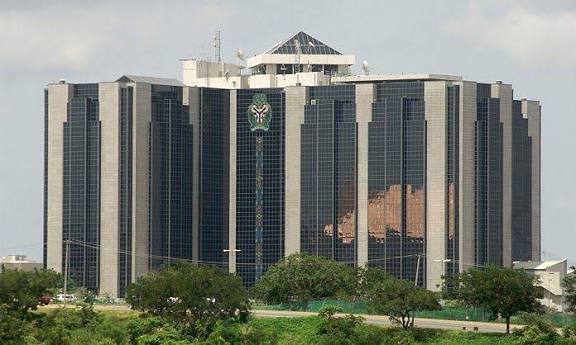
The Central Bank of Nigeria (CBN) is targeting monthly diaspora remittances of $1.5 billion by the end of the first half of 2027, after achieving its $1 billion monthly target.
CBN Governor, Olayemi Cardoso, disclosed this at the 61st Annual Dinner of the Chartered Institute of Bankers of Nigeria (CIBN) in Lagos, describing the milestone as evidence of growing confidence in Nigeria’s foreign exchange market.
Cardoso said the achievement reflected increased use of formal channels for international money transfers, adding that the apex bank was working to deepen the market, improve transparency and strengthen price discovery.
He said ongoing foreign exchange reforms had moved Nigeria away from a multiple exchange rate system, where access to foreign currency was disproportionately available to a few, towards a more transparent and market-driven framework.
According to him, the reforms have improved certainty for businesses and investors, strengthened confidence in the economy and made it easier for Nigerians to meet international payment obligations.
The CBN governor also highlighted improved access to international payments, noting that Nigerians travelling abroad could now use their naira-denominated bank cards for transactions.
He described the development as a major improvement in convenience for Nigerians, recalling the difficulties citizens faced when international payment channels were disrupted under the previous foreign exchange regime.
“Three years ago, two years ago, you couldn’t do all these things. And what used to happen? You go somewhere, you want to make payments, you either have to pay in cash or you use a card which gets thrown away and you are disrespected,” he said.
CBN dismisses naira concerns, says $54bn reserves can cushion volatility
Cardoso commended banks for helping restore international payment channels and supporting the reforms.
He also praised licensed International Money Transfer Operators for investing in technology, improving transparency and expanding formal remittance channels, particularly across Asia.
He said the next phase of the reforms would focus on increasing liquidity and strengthening the foundations of the foreign exchange market.
On the broader economy, Cardoso said Nigeria had recorded progress in macroeconomic stabilisation, including improvements in external buffers and a decline in headline inflation.
However, he cautioned that the gains would take time to translate fully into improved living conditions, stressing that the ultimate test of economic reforms was their impact on purchasing power and living standards.
He added that the CBN was not merely seeking to reduce inflation to single digits but to achieve and sustain low single-digit inflation.

- CBN targets $1.5bn monthly diaspora remittances by 2027 - November 28, 2026
- 2027: APC targets halving food losses by 2030, promises price monitoring - November 28, 2026
- Gov Yusuf has no hand in Kwankwaso’s political troubles — Kano govt - November 27, 2026