


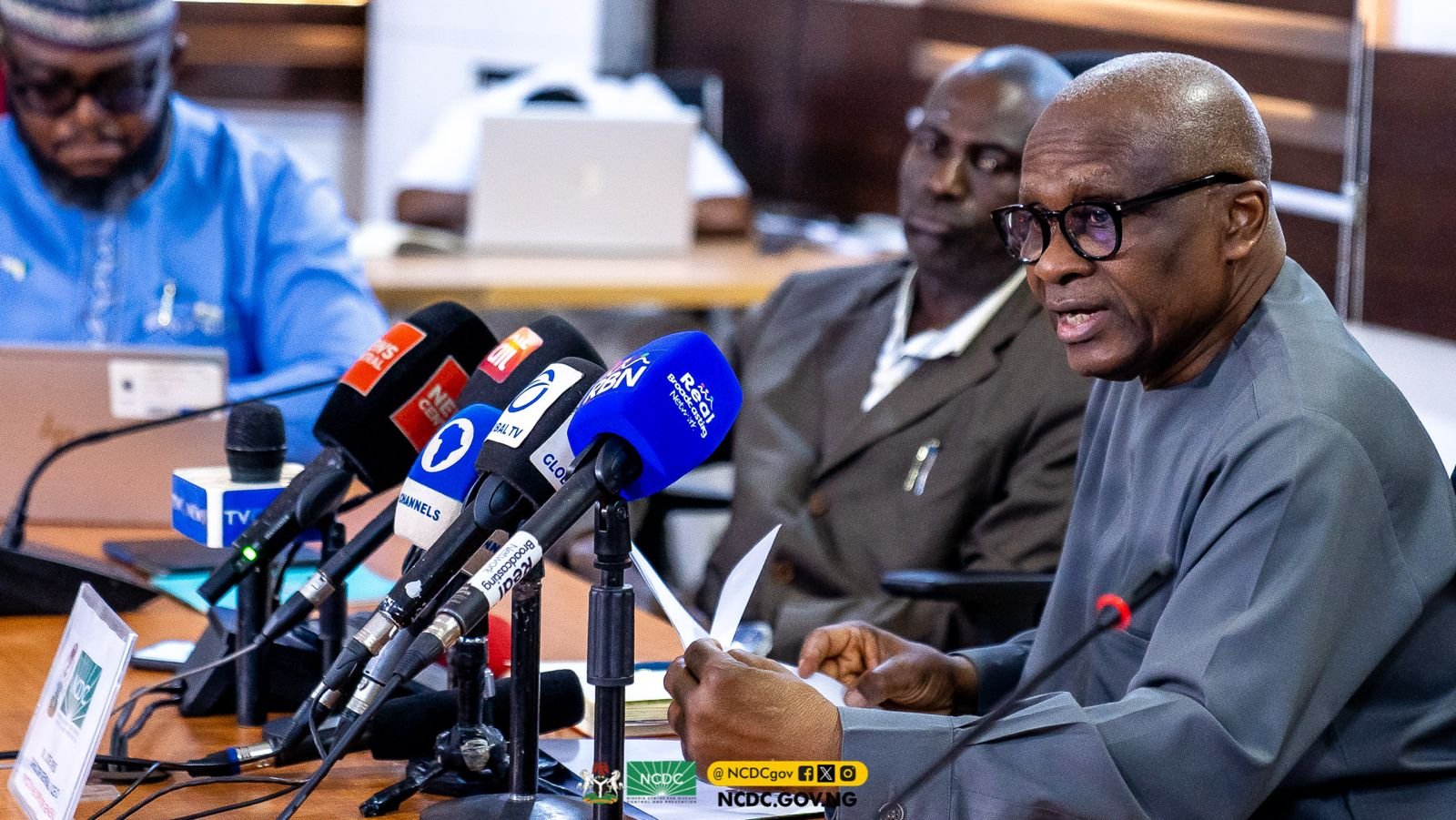
The Nigeria Centre for Disease Control and Prevention (NCDC) says it has identified 62 Ebola contacts, with 34 completing their individual 21-day monitoring period, while 28 remained under surveillance.
The NCDC however said Nigeria has recorded no additional Ebola case, 21 days after confirming an imported infection of the Bundibugyo virus from Uganda.
The Director-General of the NCDC, Dr Jide Idris, disclosed this in a national health security update issued on Tuesday, November 10, 2026.
Idris said the agency had identified 62 contacts, with 34 completing their individual 21-day monitoring period, while 28 remained under surveillance.
Idris explained that being identified as a contact did not mean an individual had Ebola, stressing that monitoring enabled early detection and prompt response to symptoms.
“NCDC is sustaining contact tracing, laboratory testing, surveillance, infection prevention and investigation of reported alerts in collaboration with relevant federal and state authorities,” Idris said.
He urged healthcare workers in public and private facilities to remain vigilant, establish patients’ travel and exposure histories, and immediately report suspected Ebola cases to public health authorities.
Idris advised anyone developing symptoms after possible exposure to avoid contact with others and call the NCDC toll-free line, 6232, for guidance before visiting a health facility.
The NCDC boss said dengue fever had been confirmed in Sokoto and Zamfara States, while Chikungunya was confirmed in Sokoto, prompting intensified surveillance and response activities.
OOU declares two-day academic break after student’s death
Idris said National Rapid Response Teams, including entomologists from the National Arbovirus Research Centre, Enugu, had been deployed to support affected states.
He added that the teams were assisting with case identification, laboratory investigations, clinical readiness, community engagement, and mosquito control to contain the infections.
Idris warned Nigerians against assuming that every fever was malaria, noting that dengue and Chikungunya could cause fever, headaches, body pains and joint pains.
Idris urged people experiencing persistent fever, rash, vomiting or severe joint pains to seek medical assessment, warning that dengue could become life-threatening when warning signs were ignored.
He advised households to eliminate stagnant water, cover water containers, clear discarded tyres and protect themselves against mosquito bites, noting that disease-carrying mosquitoes often bite during the daytime.

- NGX investors lose N93bn as market capitalisation falls 0.06% - November 11, 2026
- CAF postpones 2026 Awards to December 2 in Lagos - November 11, 2026
- Ebola: NCDC identifies 62 contacts, says 28 under surveillance - November 11, 2026