United States and Iranian forces have exchanged heavy missile and drone assaults, with Tehran targeting U.S. facilities in states across the Middle East.
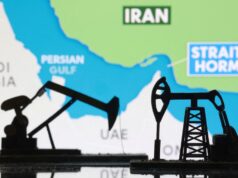
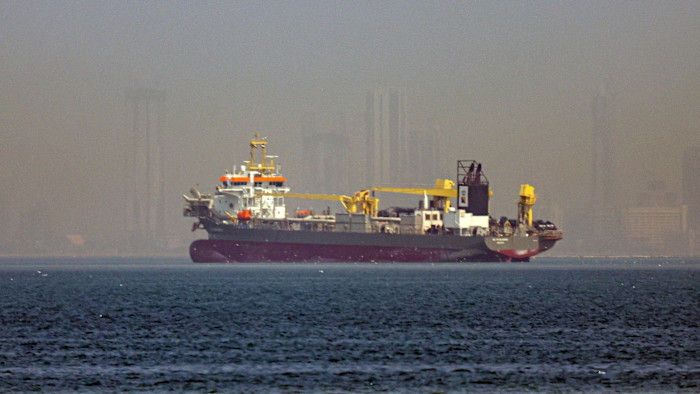
The strikes on Sunday were the latest in a cycle of attacks and counter-attacks as Iran seeks to assert control over shipping through the Strait of Hormuz.
The attacks extended to the United Arab Emirates (UAE), which had not been targeted since early May, and Qatar, a mediator in ceasefire talks that had not come under attack since April.
The renewed violence casts further doubt on the future of an interim U.S.-Iranian agreement signed in June that aimed to reopen the strait and end the war after a further 60 days of negotiations.
US Senator Lindsey Graham dies at 71
In the past week, U.S. President Donald Trump said he considers the ceasefire over, while leaving the door open to more talks.
The war that began with U.S. and Israeli strikes against Iran on February 28 has destabilised the Middle East, while Iran’s effective blockade of the strait has driven energy prices higher, fuelling global inflation.
Higher prices, especially for gasoline, are politically sensitive for Trump ahead of November’s congressional elections.

- WAEC: 56,000 candidates register for 2026 private WASSCE - October 17, 2026
- Banks raise N4.65trn in fresh capital — CBN - October 17, 2026
- Akande slams Babachir Lawal: Osinbajo’s office reflected Nigeria, not church agenda - October 17, 2026