


Nigeria’s gross external reserves have risen above $52 billion for the first time in more than 17 years, with the Central Bank of Nigeria (CBN) surpassing its 2026 year-end reserve target five months ahead of schedule.
Latest data from the apex bank showed that external reserves stood at $52.02 billion as of July 20, 2026, exceeding the CBN’s projected year-end target of about $51.04 billion by nearly $1 billion.
The achievement marks the highest reserve level since January 2009 and comes just seven months after the CBN projected, in its 2026 Macroeconomic Framework, that reserves would reach about $51 billion by the end of the year.
The reserve growth reflects the impact of the CBN’s foreign exchange reforms and monetary tightening measures aimed at improving investor confidence, boosting foreign exchange liquidity and strengthening Nigeria’s external position.
The apex bank had projected reserves would rise from an estimated $45.01 billion in 2025 to about $51 billion by the end of 2026, driven by stronger export earnings, increased remittances, improved oil and gas production, expanding domestic refining capacity and policies to attract foreign investment.
Data from the CBN showed reserves maintained a steady upward trend throughout July, rising from $51.53 billion on July 3 to $51.58 billion on July 6, $51.64 billion on July 7, $51.71 billion on July 8, $51.94 billion on July 17 and crossing the $52 billion mark on July 20.
The latest figure represents an increase of about $570 million from the $51.45 billion recorded at the end of June.
The gains follow sustained reserve growth in previous months. Between June 1 and June 18, reserves increased from $49.80 billion to $51.04 billion, while the country added about $1.9 billion between the end of May and June after recording a $1.22 billion increase during May.
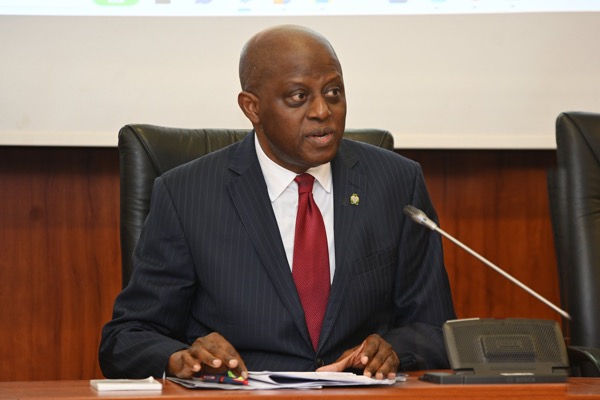
Speaking after the conclusion of the Monetary Policy Committee meeting in Abuja on Tuesday, CBN Governor Olayemi Cardoso attributed the improvement to increased inflows from crude oil-related taxes and third-party receipts.
He said gross external reserves rose to $52.52 billion as of July 17 from $50.47 billion at the end of May, mainly due to higher crude oil tax receipts and third-party inflows.
Cardoso noted that the reserve level can finance about 11 months of imports of goods and services, well above the international benchmark of three months.
According to him, the stronger reserve position demonstrates the resilience of Nigeria’s external sector and provides a solid buffer against external economic shocks.

- State police will protect youth businesses, boost security — City Boy Movement - October 23, 2026
- Okoya’s estranged son still gets four flats, medical aid — Family - October 23, 2026
- Niger woman arraigned for cutting husband’s manhood - October 23, 2026