Oil prices rose more than 2% on Monday, June 1, 2026, after the United States and Iran traded strikes and Israel ordered troops to move further into Lebanon in the battle with the Tehran-backed Hezbollah militant group.
U.S. crude futures rose $2.29 or 2.62% to $89.65 a barrel as of 0436 GMT. Brent futures rose $2.05 or 2.25% to $93.17 a barrel.
The stepped-up fighting, coming just after the United States hosted Israel-Lebanon peace talks in Washington on Friday, dimmed expectations that the U.S. and Iran could soon announce an extension to their ceasefire agreement, which had driven Brent and WTI to settle down 1.8% and 1.7%, respectively, on Friday.
The U.S. said on Sunday it conducted “self-defence strikes” on Iranian radar and drone control sites in Iran’s Goruk and Qeshm Island over the weekend in what it said was a response to “aggressive” actions from Tehran.
Iran’s elite Islamic Revolutionary Guard Corps said on Monday its aerospace force targeted an air base used in what it called a U.S. attack on a telecoms tower on Sirik Island.
U.S. President Donald Trump said on Friday that he would soon decide on a proposed deal to extend a ceasefire with Iran announced in early April, giving negotiators more time to seek a permanent end to the conflict and find a solution to the underlying dispute over Iran’s nuclear programme.
Israel would be key to any such deal, and Iran has also said repeatedly that Hezbollah must be included.
US targets Nigeria’s faith-based violence with $3.5m fund
The United States has proposed a “gradual de-escalation” plan, under which Hezbollah would first stop attacks on Israel in exchange for Israel refraining from escalation in Beirut, a U.S. official told Reuters on Sunday.
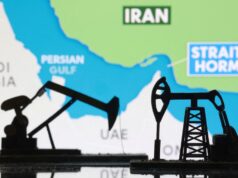
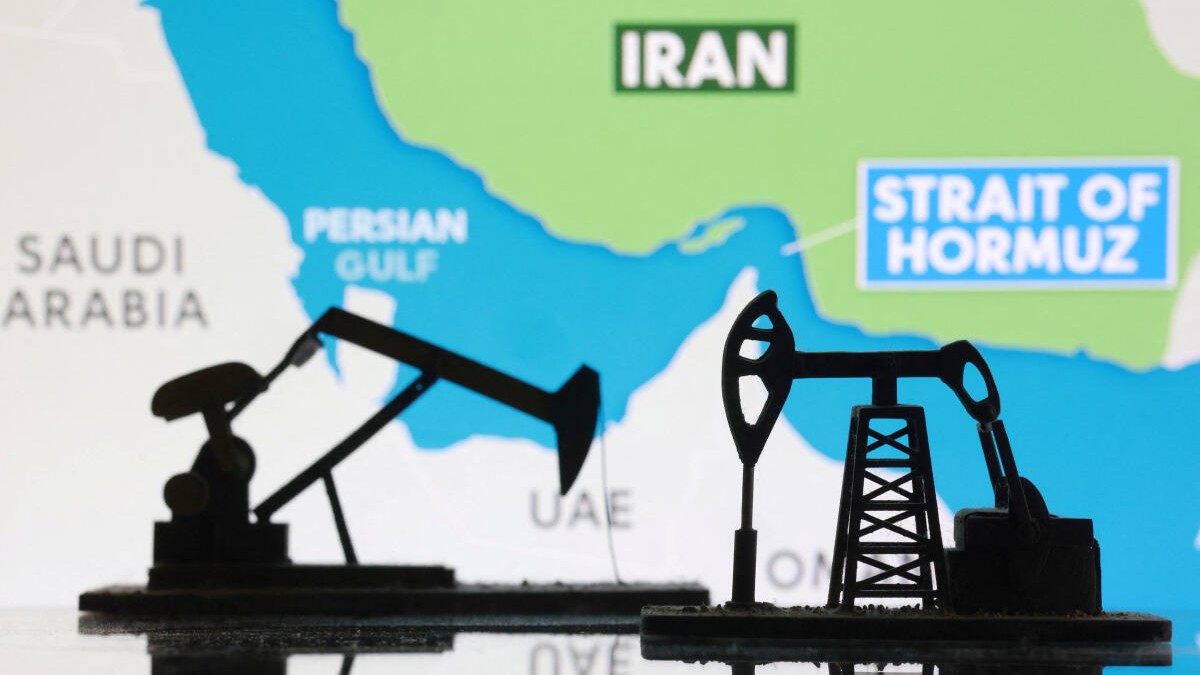
IG analyst Tony Sycamore said in a statement that concerns are rising about mines in the Strait of Hormuz, a key oil and gas shipping lane.
That could slow the process of reopening the strait and mean that relief comes more slowly for the oil market even after it is reopened.
“Even if an agreement is reached, it won’t deliver a flood of supply,” Sycamore said.
The Strait of Hormuz is a conduit for about a fifth of global oil and gas flows and Iran has effectively closed it since the conflict began with U.S. and Israeli strikes in February.
Concerns over supply outweighed lacklustre economic data from China over the weekend, which showed stalling factory activity. This added to concerns the world’s second-largest economy is losing momentum, weighed down by a contraction in exports and cost pressures.

- WAEC: 56,000 candidates register for 2026 private WASSCE - October 17, 2026
- Banks raise N4.65trn in fresh capital — CBN - October 17, 2026
- Akande slams Babachir Lawal: Osinbajo’s office reflected Nigeria, not church agenda - October 17, 2026