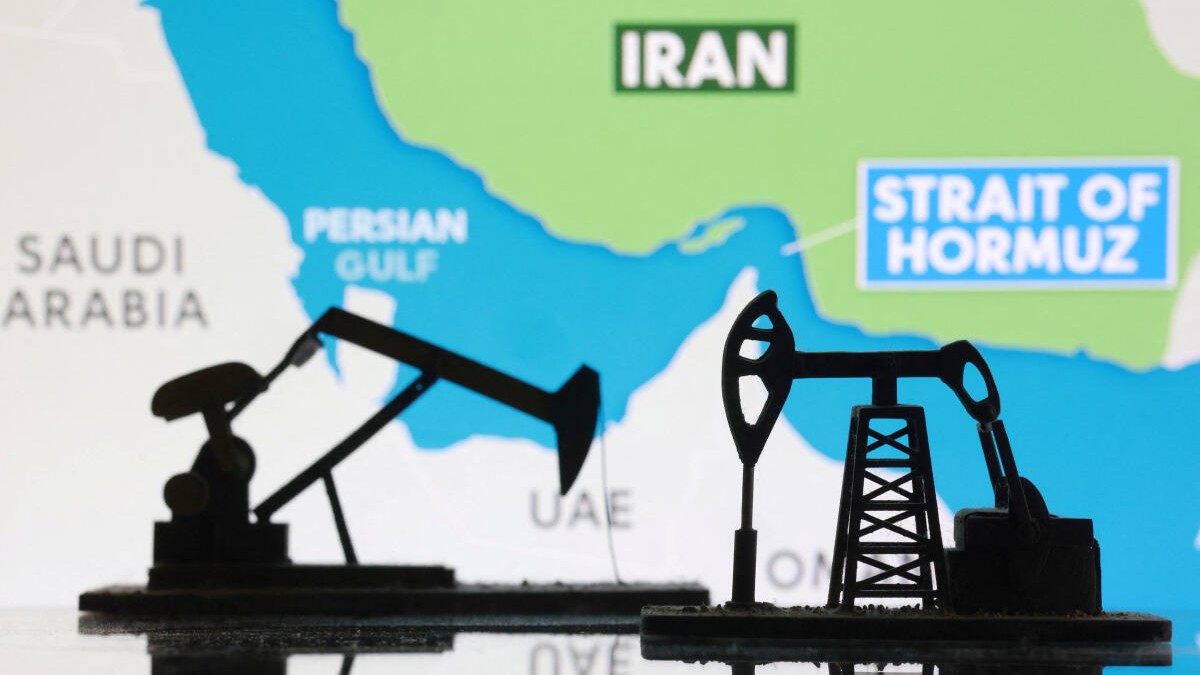
Oil prices rose for a second consecutive day on Wednesday, July 22, 2026, with Brent crude rising above $92 per barrel, as escalating hostilities between the United States and Iran and growing threats to key oil shipping routes heightened fears of supply disruptions.
Brent crude futures rose $1.00, or 1.1%, to $92.01 a barrel by 0330 GMT, while U.S. West Texas Intermediate (WTI) crude gained 82 cents, or 1.0%, to $85.16 per barrel.
The rally followed Tuesday’s sharp gains, which pushed both benchmarks to their highest levels in five weeks after renewed military exchanges between Washington and Tehran rattled energy markets.
The U.S. military carried out another round of strikes on Iranian military positions late Tuesday, extending its campaign into an 11th consecutive night. The latest operation came shortly after Kuwait announced that its air defence systems had intercepted Iranian drones.
The fresh attacks followed Iranian strikes on U.S. military facilities in Bahrain, Kuwait and Jordan, raising concerns that the conflict could spread further across the region and threaten global energy supplies.
31 firms win 37 oil blocs in 2025 licensing round
Market anxiety deepened after Yemen’s Iran-backed Houthi militia warned it would target ships transporting Saudi crude through the Bab el-Mandeb Strait and declared a naval blockade of Saudi Arabia.
The Red Sea chokepoint has become increasingly critical for Saudi oil exports as traffic through the Strait of Hormuz has dropped significantly following the collapse of a ceasefire between the United States and Iran earlier this month.
The security threats have already disrupted maritime traffic. Three Saudi oil tankers heading to China and India reportedly turned back in the Red Sea on Tuesday after receiving Houthi warnings, choosing an alternative route via the Suez Canal.
ING analysts told Reuters the rerouting would increase both transportation costs and delivery times for crude shipments to Asian markets, adding further pressure to global oil prices.

- 24 states approve constitutional amendment for state police - October 23, 2026
- Bayern Munich coach Kompany hospitalised after collapsing during training - October 23, 2026
- CBN grants JPMorgan approval to establish Merchant Bank in Nigeria - October 23, 2026