
Nigeria’s banking sector has emerged stronger following the completion of a major recapitalisation exercise, but uncertainty persists over whether the improved financial capacity will ease credit access for small and medium enterprises (SMEs).
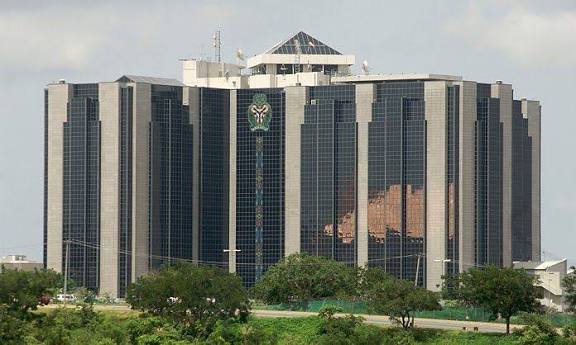
The Central Bank of Nigeria (CBN) said the 24-month programme, which ended on March 31, 2026, attracted about N4.65 trillion in fresh capital, with 33 banks meeting the new minimum requirements.
According to the apex bank, the recapitalised institutions are now better equipped to absorb economic shocks and support key sectors such as SMEs, agriculture, exports, and infrastructure. The exercise also recorded strong domestic investor participation, accounting for over 70 per cent of the funds raised.
Major lenders, including United Bank for Africa (UBA), have signalled plans to channel the strengthened capital base into expanding lending to small businesses, improving financial inclusion, and funding long-term development projects.
The development coincides with signs of macroeconomic improvement. A report by the Centre for the Promotion of Private Enterprise (CPPE) indicated that inflation moderated to about 15 per cent in February 2026, while exchange rate stability improved and external reserves rose above $50 billion.
Economic growth has also remained steady, with GDP expanding by over 4 per cent year-on-year in the final quarter of 2025. In addition, the Monetary Policy Committee recently reduced the policy rate to 26.5 per cent, signalling a cautious move toward supporting economic activity.
Despite these gains, experts warn that stronger banks do not automatically translate into easier access to credit for SMEs. CPPE Chief Executive Officer, Muda Yusuf, noted that small businesses—despite contributing more than half of Nigeria’s GDP—continue to receive a very small share of bank lending.
He stressed that structural challenges such as high borrowing costs, weak demand, and inefficiencies in financial intermediation still limit credit flow to the sector.
Businesses also face rising energy costs due to unreliable electricity supply, forcing reliance on expensive fuel alternatives, while insecurity in agricultural regions continues to disrupt supply chains and sustain inflation.
Analysts say this reflects a disconnect between improving macroeconomic indicators and the realities faced by businesses on the ground.
Looking ahead, they note that while the recapitalisation offers strong potential for economic growth, external risks—including rising global oil prices and geopolitical tensions—could push up domestic costs and slow progress.
Ultimately, experts say the success of the recapitalisation will depend on how effectively banks deploy their new capital, particularly in supporting SMEs, which are key to job creation and economic recovery.
For now, the banking system is more resilient—but whether that translates into meaningful financing for small businesses remains the key test for 2026.

- Court sentences man to death for murdering pregnant woman - July 24, 2026
- Section of newly commissioned Osun flyover damaged after heavy rainfall - July 24, 2026
- Budget Office: No PFIPC funds released despite appropriation - July 24, 2026